Liposuction in Thailand Your guide to cost, top surgeons & hospitals
The shape you have been working toward is already there. Liposuction just removes what is hiding it.
What Is Liposuction?
Also known as: Lipo · Lipoplasty
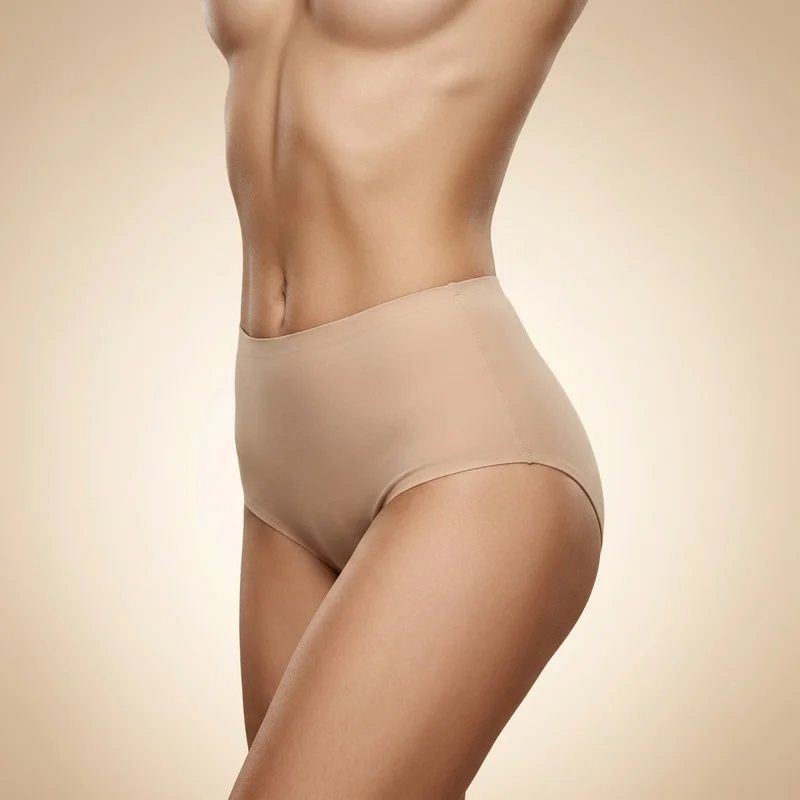
Liposuction is surgery that removes stubborn pockets of fat through small incisions, usually 3 to 5mm, using suction to break up and draw out the fat cells permanently. Surgeons may use standard suction or add ultrasound (VASER) or laser energy to loosen the fat first, usually under general anaesthesia. Once the fat is gone, the skin tightens over the following months to leave a smoother, more proportionate shape.
It works best as body shaping, not weight loss. The skill is in how much fat to remove and how much to leave, so the treated area still looks natural next to the rest of your body. Treating a few areas together, such as the abdomen, waist and flanks, usually gives a more balanced result than fixing one spot on its own.
The fat cells taken out are gone for good, though staying at a stable weight keeps the result looking its best. It suits people close to their target weight with reasonably firm skin; where there is a lot of loose skin, a tummy tuck may give a better result, which your surgeon will talk through honestly.
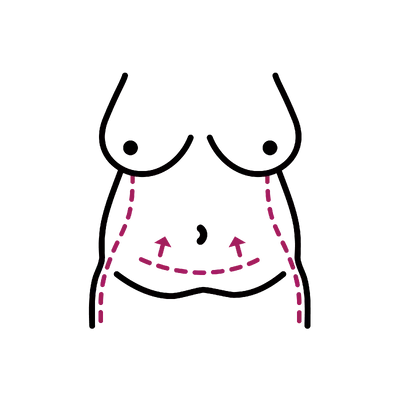
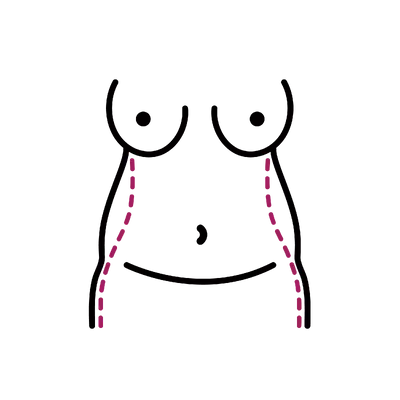
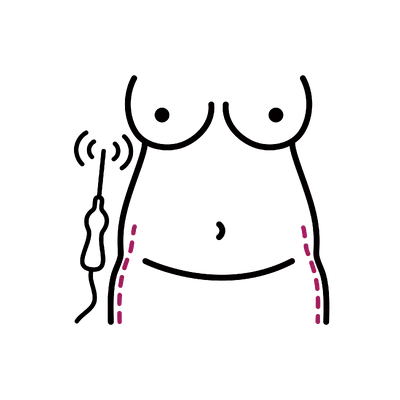
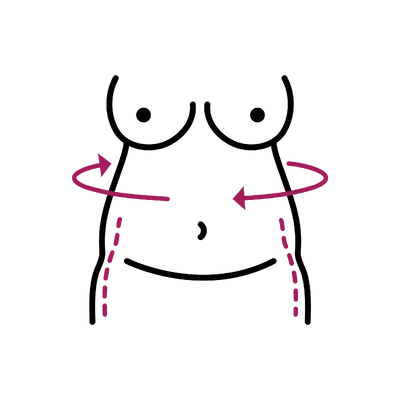
It can address a range of concerns, including:
Am I a Good Candidate for Liposuction?
A good liposuction result depends as much on your starting point as on the surgeon's technique, so here is what they assess first.
Liposuction suits a specific set of problems, and surgeons check that yours falls within them before recommending it.
Diet-resistant deposits: Good candidates have localised fat that persists despite consistent diet and exercise. These pockets respond reliably because the cells are removed permanently.
Disproportionate storage: One area stores fat while the rest of the body stays lean. Liposuction rebalances proportion rather than reducing overall size.
Classic target zones: Flanks, the bra line, and under the chin respond well to liposuction, and surgeons often treat them together in one session for a balanced result.
Hidden definition: Regular training with no visible muscle definition suggests a fat layer lipo can thin to reveal the shape underneath.
After fat is removed, the overlying skin has to contract to the new contour, which makes elasticity the deciding factor.
Firm, springy skin: Skin that snaps back when pinched contracts smoothly over the following months for an even result.
Loose or crepey skin: Without elasticity, removing fat can leave a deflated appearance. Significant abdominal laxity usually points to a tummy tuck instead.
Borderline cases: VASER's ultrasound energy stimulates collagen and improves skin retraction, so surgeons may recommend it when skin quality is marginal.
Liposuction is body contouring, not weight loss, so surgeons want your weight settled before they shape it.
Near target weight: Good candidates are within a reasonable range of where they intend to stay. The procedure refines, it does not slim you down.
Not actively changing: Still losing or gaining weight rules you out for now, because the contour is planned around your current shape.
Modest scale change: Most patients lose only 2-5kg from the removed fat. If the number on the scale is your goal, this is the wrong procedure.
Beyond shape, surgeons screen for the health factors that determine how safely you tolerate surgery and how well you heal.
Non-smoker: You must be willing to pause nicotine for at least four weeks each side of surgery, since smoking impairs skin retraction and wound healing.
Healing history: A history of seroma, bleeding disorders, or any condition affecting wound healing needs review before approval.
Early mobility: Willingness to walk from day one and wear your compression garment consistently lowers DVT and seroma risk, especially in multi-area cases.
Surgeons also assess whether your expectations match what liposuction actually delivers and on what timeline.
Permanent, with a caveat: Removed fat cells do not return, but significant weight gain enlarges remaining cells elsewhere and shifts your proportions.
Patience for the result: Swelling hides the final contour for weeks. You get a strong preview by week 4-6, with the permanent shape settling at 3-6 months.
Shape over weight: The change you are buying is silhouette and proportion, not a transformation on the scales.
Who is not suitable for liposuction?
- Anyone expecting weight loss rather than contouring
- Patients still actively losing or gaining weight
- Loose or crepey skin better suited to a tummy tuck
- Smokers unwilling to pause for four weeks each side of surgery
- A history of seroma or bleeding disorders
- Conditions that impair wound healing
- Significant uncontrolled heart or lung disease, or otherwise not medically fit for general anaesthesia
- Currently pregnant or breastfeeding, as elective contouring surgery is deferred
- Uncontrolled diabetes, a BMI over 30 (most surgeons want you under 30 before elective contouring), or an active clotting or thrombosis history
Pricing
How Much Will Liposuction Cost in Thailand?
What liposuction costs at accredited hospitals in Thailand, and what your final quote depends on.
Get your exact price
Tell us what you're considering and we'll send a personalised quote from accredited hospitals within 24 hours.
Get my free quoteTypical prices in Thailand
Typical ranges based on recent hospital quotes. Your exact price depends on the hospital and how complex your case is, and is confirmed at your teleconsultation.
Liposuction
Liposuction is priced by how many areas you have treated, and each extra zone adds theatre time and anaesthesia rather than simply repeating the first fee.
| Single area, tumescent One zone such as the chin, arms or inner thighs | $2,000 to $2,500 ฿68,000 to ฿85,000 |
| Two areas A pairing such as the abdomen and flanks in one session | $2,500 to $3,200 ฿85,000 to ฿108,800 |
| Three or more areas Fuller body contouring, usually under general anaesthesia with a night in hospital | $3,200 to $4,000 ฿108,800 to ฿136,000 |
Added to the above where needed
| VASER technique Ultrasound loosens the fat first, added to any scope above depending on zones | $500 to $1,000 ฿17,000 to ฿34,000 |
Get your exact price
Tell us what you're considering and we'll send a personalised quote from accredited hospitals within 24 hours.
Hospitals Trusted for Liposuction
From internationally accredited flagships to dedicated specialist hospitals, these are the kinds of facilities where international patients have this procedure.
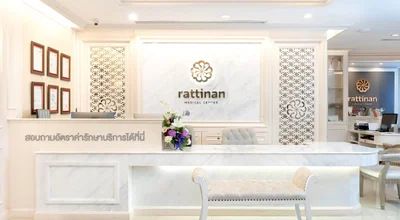
Rattinan Clinic
A specialist body contouring clinic in central Bangkok with over 14,000 BodyTite treatments performed.
View hospital profile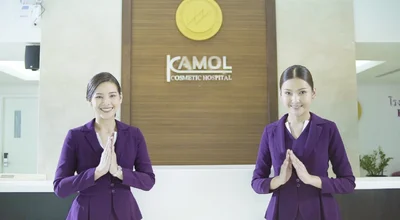
Kamol Cosmetic Hospital
The only specialist cosmetic surgery hospital in Thailand to hold JCI accreditation.
View hospital profile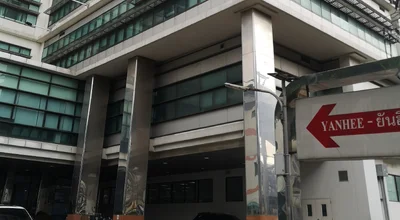
Yanhee International Hospital
A 400-bed hospital known worldwide for high-volume cosmetic surgery.
View hospital profile
Get a Free Quote in Two Minutes
Tell us what you're considering. We'll match you with suitable specialists and provide real hospital pricing.
- Honest pricing with no markups
- Matched to a specialist for your procedure
- No obligation, no pressure


Rated 5 stars by our patients
The complete guide to Liposuction in Thailand
Everything below is for readers who want the full detail: costs broken down, types and techniques, recovery, risks and safety, and planning your trip.
Liposuction Surgeons & Clinics in Thailand
Surgeon selection matters more for liposuction than many patients realise. Technique, judgment about volume, and an eye for proportion separate good results from average ones.
Leading Hospitals in Bangkok
Our partner hospitals are JCI-accredited international hospitals that operate dedicated plastic surgery departments. These are not walk-in clinics. They have full theatre suites, anaesthesia teams, overnight recovery wards, and the infrastructure to handle complications if they arise. For multi-area liposuction under general anaesthesia, that level of facility matters.
Experienced Liposuction Surgeons
Our partner surgeons are board-certified by the Thai Board of Plastic and Reconstructive Surgery and perform liposuction across all techniques, tumescent, VASER, and power-assisted. Many trained internationally and returned to Thailand where the case volume is significantly higher. The result is surgeons who have treated a wide range of body types and fat distributions, which builds the kind of judgment that comes only from repetition.
What to Look for in a Surgeon
Board certification is the baseline, and we confirm our partner surgeons are certified in plastic surgery specifically, not general surgery. Beyond that, a few things are worth your attention at consultation. Ask to see before-and-after photos of patients with similar body types and similar treatment zones to yours. Pay attention to how the surgeon discusses what cannot be achieved, not just what can, realistic assessment during consultation is a better indicator of competence than enthusiasm. It is also worth asking about their approach to large-volume cases and revision work, even if that is not what you need.
Understanding Your Results
Liposuction results are permanent once swelling resolves, but the timeline to your final shape is longer than most patients expect.
Typical Liposuction Results
A successful liposuction procedure produces smoother, more proportionate contours in the treated areas. Common improvements include a flatter abdomen, defined waistline, reduced love handles, slimmer thighs, and improved jawline definition (for chin liposuction). The key marker of a good result is that treated areas blend naturally into surrounding untreated zones, no visible transitions or hollowing.
What Results Can You Expect?
Shape improvement is visible almost immediately, even through the swelling. But what you see at week one is not your final result. Swelling resolves in stages, superficial swelling drops within weeks, while deeper tissue swelling takes months. By week 6 you have a strong preview. By month 3–6, the skin has fully contracted and the final contour is established.2 Patients who wear their compression garment consistently and maintain stable weight see the best long-term outcomes.
Liposuction Cost in Thailand
Average Cost of Liposuction
Liposuction in Thailand typically costs between $2,000 and $4,000 depending on the number of areas treated, the technique used, and the hospital. A single-area tumescent case sits at the lower end, while multi-area VASER procedures with overnight stay cost more. Quotes are itemised so you can see exactly what each component costs.
Cost Breakdown
The total is made up of the surgeon's fee (the largest component), hospital and theatre fees covering the facility and equipment, anaesthesia fees for the anaesthetist and monitoring, and aftercare including follow-up visits, compression garments, and medications during your recovery stay. Multi-area cases cost more because they take longer in theatre and require more anaesthesia time.
What Affects the Price?
The number of treatment areas is the biggest price driver. A single zone under local anaesthesia is the most affordable option. Adding areas adds time, requires general anaesthesia, and usually means an overnight stay. VASER costs more than tumescent because the equipment is more expensive and the technique takes longer. Revision liposuction tends to be pricier because fibrotic tissue is harder to work with.
Thailand vs International Price Comparison
Liposuction in Thailand costs 40–60% less than equivalent procedures in the US ($5,600–$10,000), Australia (A$5,200–A$9,000), and the UK (£4,400–£7,600). The gap widens with multi-area cases because the per-area cost in Thailand scales more favourably. The savings reflect lower operating costs, not lower standards, our partner hospitals hold JCI accreditation.
Surgical vs Non-Surgical Fat Reduction
Non-surgical fat reduction covers a few different treatments. Fat freezing (cryolipolysis, often known as CoolSculpting) cools fat cells until the body clears them gradually, while fat-dissolving injections such as deoxycholic acid break down small pockets like a double chin. There are also energy devices that heat the fat layer. All are done without anaesthesia or incisions and need no real downtime, which makes them appealing for small, isolated areas.
The trade-offs are significant. These treatments reduce a modest amount of fat rather than reshape a whole area, typically take several sessions spaced weeks apart, and the change is gradual and harder to predict. Results vary by individual, and fat freezing carries a rare risk of paradoxical fat growth, where the treated area enlarges instead. They also do little for skin tightening, so they are not a route to a defined or sculpted contour.
For removing stubborn fat in one planned session, treating several areas together for a balanced shape, or achieving genuine definition with skin retraction, liposuction is the surgical route, and that is what the rest of this page covers.
Types of Liposuction
There is no single version of liposuction. The technology, the area being treated, and the density of the fat all influence which approach your surgeon recommends. Here is what is commonly offered in Thailand.
Standard Liposuction (Single or Dual Area)
The most common request, treating one or two specific problem zones such as the abdomen and flanks, or inner thighs. Simpler cases under local anaesthesia with sedation can be done as day surgery. Smaller scope means faster recovery and lower cost.
- Targets one or two specific areas in a single session
- Can often be performed under local anaesthesia with sedation
- Shorter procedure and faster recovery than multi-area cases
- Best for: isolated fat deposits in patients close to their target weight
Multi-Area Liposuction
Treating three or more zones in one session, for example, abdomen, flanks, back, and thighs. More cost-effective than staging separate procedures and means only one recovery period. Requires general anaesthesia and usually an overnight stay due to the larger volume of fat removed.
- Three or more areas treated simultaneously for balanced contouring
- Single recovery period rather than multiple staged procedures
- General anaesthesia with overnight hospital stay
- Best for: patients wanting comprehensive reshaping across the torso and limbs
Revision Liposuction
Correcting contour irregularities, asymmetry, or under-correction from previous liposuction, whether done in Thailand or elsewhere. Revision work is harder because scar tissue changes the tissue planes. VASER is often preferred for revision because the ultrasound energy breaks through fibrosis more effectively.
- Addresses lumps, dips, or asymmetry from prior surgery
- Scar tissue makes the procedure more technically demanding
- VASER or power-assisted techniques often preferred for fibrotic areas
- Best for: patients unhappy with the results of a previous liposuction procedure
Liposuction Techniques
Each technique has trade-offs in precision, recovery, and cost. The choice depends on the fat type, the treatment area, and the level of definition you want.
Tumescent Liposuction
The established standard. A large volume of saline solution with local anaesthetic and adrenaline is infiltrated into the fat layer before suctioning. This firms the fat, reduces bleeding, and provides post-operative pain relief. Reliable, well-understood, and the most affordable option.
- Infiltrated solution firms fat and reduces bleeding significantly
- Built-in local anaesthesia provides post-operative pain relief
- Decades of safety data behind the technique
- Best for: most standard cases, proven, affordable, and effective across all body areas
VASER (Ultrasound-Assisted)
Ultrasonic energy liquefies fat cells before extraction, leaving blood vessels and connective tissue largely intact. The practical result is less bruising, smoother contours, and better skin retraction than tumescent alone. Costs more but is particularly useful for fibrous areas, revision work, and high-definition sculpting.
- Ultrasound selectively breaks down fat while preserving surrounding tissue
- Better skin retraction through collagen stimulation
- Less bruising and faster recovery than traditional methods
- Best for: fibrous areas (back, male chest), revision cases, and patients wanting defined athletic contours
Power-Assisted Liposuction (PAL)
The cannula vibrates mechanically, breaking up fat with less physical force from the surgeon. This produces more uniform fat removal and less tissue trauma. It sits between tumescent and VASER in cost and is particularly effective for large-volume cases where consistency across a big treatment area matters.
- Mechanical vibration breaks up fat with less manual force
- More uniform removal across large treatment zones
- Shorter operative time reduces overall anaesthesia exposure
- Best for: large-volume cases and dense fat deposits where uniform extraction matters
Laser-Assisted Liposuction (SmartLipo)
A laser fibre is passed through the cannula to melt fat and heat the underside of the skin before suctioning. The thermal effect can encourage some skin tightening, which is the main reason it is chosen over tumescent alone. It suits smaller, more delicate areas rather than large-volume work, and the heat involved means it has to be handled carefully to avoid burns.
- Laser energy melts fat and warms the skin to encourage tightening
- Better suited to small, precise areas than high-volume contouring
- Mild skin-firming benefit that tumescent alone does not provide
- Best for: smaller areas with mild laxity, such as the chin, jawline, or arms
Liposuction Recovery Timeline
Days 1–3
Swelling and bruising are at their worst. The treated areas feel sore and heavy under the compression garment, which you wear 24/7 for the first few weeks. Light walking starts immediately, even a few minutes around your hotel room helps circulation. Your care coordinator checks in daily.
Week 1–2
Bruising shifts from dark purple to yellow-green. Swelling starts to drop noticeably by day 7–10. Most patients feel well enough for short outings and desk-based work by the end of week one. You attend your follow-up appointments during this window before flying home.
Weeks 3–6
Most visible swelling resolves and your new contour becomes increasingly apparent. You can gradually resume normal activity and light exercise. The compression garment is still worn but often only during the day. Residual firmness in the treated areas is normal and continues to soften.
Months 3–6
Final contours emerge as the last residual swelling disappears and the skin fully contracts over the reshaped areas. Tiny incision marks fade to nearly invisible points. The result you see at six months is your permanent shape, provided weight remains stable.
When Can You Fly After Liposuction?
Most patients fly home 7–10 days after surgery. Single-area cases can sometimes fly sooner, around day 5–7, once your surgeon confirms healing is on track. Wear your compression garment during the flight, stay hydrated, and move around the cabin regularly. Swelling may temporarily increase during the flight due to cabin pressure and reduced movement, this settles within a day or two.
When Can You Return to Work and Exercise?
Desk work is realistic from day 5–7 for most single-area cases, and around day 10–14 for multi-area procedures. Light walking is encouraged from day one. Most patients are safe to drive again from around day 5–7, once they are off prescription pain medication and can brake hard for an emergency stop without hesitation, which matters for getting to follow-up appointments around Bangkok. Gym work can resume at 3–4 weeks, starting gently and building back up.3 Avoid high-impact exercise and heavy lifting for at least four weeks. The compression garment stays on during exercise for the first 6 weeks.
Does Recovery Speed Depend on the Technique?
The overall 2–4 week recovery window holds across techniques, but the early days differ. Tumescent liposuction is the baseline. VASER and power-assisted methods are gentler on the surrounding tissue, so patients typically see less bruising and noticeably less swelling in the first one to two weeks, which can let a single-area VASER case fly toward the earlier day 5–7 end. Laser-assisted (SmartLipo) is used only on small areas, so its localised recovery is quick, though the treated skin can feel warm or tender for a few days. Whichever technique is used, compression, early walking, and the same follow-up schedule apply, and the final contour still settles at 3–6 months.
When Will You See Final Results?
You see an immediate difference in shape, but swelling hides the final result for weeks. By week 4–6 you have a good preview of your new contour. The final shape settles by 3–6 months as the last swelling resolves and skin contracts fully. Patients with thicker skin or larger treatment areas should expect the longer end of that timeline.
Anaesthesia for Liposuction
Liposuction in Thailand is performed either under general anaesthesia, where you are fully asleep, or under local anaesthesia with sedation, where you are relaxed and pain-free but not fully under. Which one is used depends mainly on how much fat is being removed and how many areas are treated. A single small zone can often be done with local and sedation as a day case, while multi-area work usually calls for general anaesthesia and an overnight stay.
Your surgeon and anaesthetist decide together what is safest for you, based on the planned volume, the treatment areas, and your medical history. Either way a consultant anaesthetist looks after you throughout and monitors you continuously, which is standard at the accredited hospitals we work with.
Before you are cleared you have a pre-operative assessment, including blood tests and a review of any medications you take. You feel nothing during the procedure itself. Afterwards the soreness is more like the day after a hard workout than sharp pain, heaviest in the first few days under the compression garment and well controlled with the medication your surgeon prescribes.
Risks and Safety of Liposuction
Liposuction has a strong safety record when performed by experienced surgeons at accredited facilities. That said, it is still surgery and carries real risks that vary by technique and treatment scope.
- Contour irregularities, lumps, dips, or asymmetry from uneven fat removal1,2
- Seroma (fluid accumulation under the skin) requiring drainage1
- Infection at incision sites (uncommon with proper aftercare)
- Temporary numbness or altered sensation in treated areas (usually resolves within months)
- Skin discolouration over treated areas (temporary)
- Fat embolism (very rare but serious, risk increases with large-volume cases)
- Over-resection leaving visible hollowing or skin adherence
- DVT in multi-area or longer procedures (early mobilisation reduces this risk)1
- Lidocaine toxicity from the local anaesthetic in tumescent fluid (rare but serious, and the reason surgeons stay within strict dosing limits on high-volume cases)
- Thermal skin burns with laser-assisted (SmartLipo) liposuction, where the heat used to melt fat and tighten skin must be carefully controlled
Risk scales with the volume of fat removed and the number of areas treated in a single session. Staying within safe volume limits, choosing an experienced surgeon, and following compression and mobility protocols after surgery are the most effective ways to keep your risk low.
Is Liposuction Safe in Thailand?
When performed at a JCI-accredited hospital by a board-certified plastic surgeon, liposuction in Thailand has a strong safety record. Thailand's top hospitals maintain strict fluid management protocols, safe volume limits, and post-operative monitoring standards. Liposuction is one of the most frequently performed procedures at these facilities, which means established systems and experienced teams.
How to Reduce Your Risk
We place patients only with JCI-accredited hospitals that meet international infection-control and safety standards, and our partner surgeons are board-certified through the Thai Board of Plastic Surgery, so that screening is already done for you. On your side, the things that matter most are being honest about your medical history and medications during pre-operative assessment, following compression garment instructions precisely (wearing it consistently for the prescribed period reduces swelling, supports skin retraction, and lowers seroma risk), and starting walking early and staying mobile to reduce DVT risk.
When Is Additional Treatment Needed?
Most patients are satisfied with a single procedure. Touch-up liposuction may be considered if there are minor contour irregularities once all swelling has resolved, typically at the 6-month mark. Over-correction or hollowing is harder to fix and may require fat grafting. The key is to wait until the full result is visible before making any decisions about revision. Concerns at month 2 often resolve by month 5.
Planning Your Trip to Thailand for Liposuction
Most patients need 7–10 days in Thailand for liposuction. Here is how to organise the trip and what to expect at each stage.
How Long to Stay in Thailand
Plan for 7–10 days minimum. Day one covers your consultation and pre-operative assessment. Surgery typically happens within a day or two of your consultation. Recovery in your hotel takes 3–5 days depending on the number of areas treated. Your follow-up appointment happens before you fly home, where your surgeon checks healing and confirms you are safe to travel.
What's Included in a Medical Trip
Your care coordinator arranges hospital transfers, surgery scheduling, and all follow-up appointments. A typical surgical quote covers the surgeon, anaesthesia, hospital fees, compression garments, and medications, though exact inclusions are set by the clinic and confirmed in writing in your quote. Flights and accommodation are separate, but your coordinator recommends convenient hotels near the hospital and can help with bookings.
Recovery in Bangkok vs Phuket
For standard liposuction, Bangkok is the practical choice, you stay close to the hospital for any follow-up needs. Liposuction recovery is less restrictive than many other procedures, so you may feel well enough to explore Bangkok within a few days. Moving to Phuket or another destination after your final follow-up is reasonable for single-area cases, but for multi-area procedures, staying in Bangkok for the full recovery period keeps things simpler.
Related Procedures
Other procedures that address similar goals or conditions, in case one of them is a closer fit for you.
Planning your treatment in Thailand
Independent guides to help you weigh the decision, before you commit to anything.
Common Questions About Liposuction
Everything you need to know before your procedure
More About Liposuction

Medical References
Keep researching with AI
Open this guide in your AI assistant to dig deeper and ask the questions it didn't answer.
Opens in a new tab with this guide already loaded.
Medical disclaimer: This information is for educational purposes only and does not replace professional medical advice. Individual results, recovery times, and suitability vary. Always consult a qualified surgeon before making decisions about treatment.
Ready to Get Started?
No-obligation consultation and quote within 24 hours. Speak with a coordinator who can match you to the right surgeon and hospital.
Speak to Our Team