Thermage in Thailand Your guide to cost, top surgeons & hospitals
Thermage uses radiofrequency to heat the deeper layers of your skin, tightening what is already there and prompting new collagen over the months that follow. One treatment, no surgery, and no time off to recover.
What Is Thermage?
Also known as: Radiofrequency Skin Tightening · Monopolar Radiofrequency (Thermage FLX)
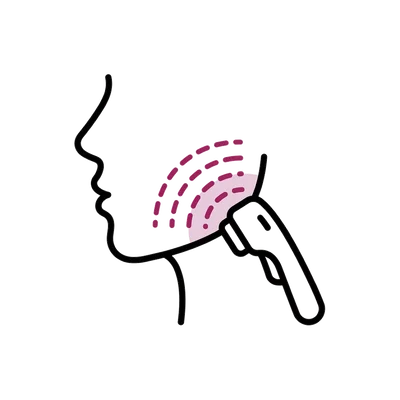
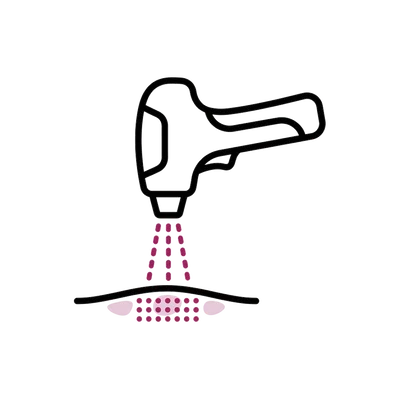
Thermage is a non-surgical skin tightening treatment that uses monopolar radiofrequency to heat the deeper layers of the skin. That heat does two things at once: it makes the collagen you already have contract straight away for an immediate firming effect, and it triggers your body to lay down new collagen over the following months1,2. The result is skin that looks tighter and smoother without any cuts, needles, or recovery time.
A single Thermage session is usually all that is needed, which sets it apart from treatments that require a course. It takes around forty-five to ninety minutes depending on the area, and a built-in cooling burst protects the surface of your skin while the energy heats the layers beneath. Pulsed cooling and a gentle vibration keep it comfortable throughout, so no anaesthetic is needed beyond optional numbing cream.
It is honest to be clear about what Thermage does and does not do. It tightens skin, refines texture, and improves mild to moderate laxity. It is not a facelift and will not lift heavy sagging or remove excess skin.2 If your concern is genuine drooping rather than gentle loosening, Thermage will disappoint you, and a surgical option is the better fit. Used for the right concern, though, it gives a natural, gradual firming with no downtime at all.
It can address a range of concerns, including:
Am I a Good Candidate for Thermage?
Thermage suits most healthy adults with mild to moderate skin laxity, but it is not right for everyone or every concern. A good clinic assesses a few things before treating you.
Good candidates have mild to moderate skin laxity and crepey skin, rather than heavy sagging that needs surgery.
Face and neck: loosening cheeks, early jowls, and crepey neck skin respond well.
Eyes: a dedicated tip tightens crepey eyelid skin and softens a heavy brow.
Body: crepey skin on the abdomen, arms, thighs, and knees, and mild cellulite.
Thermage tightens and smooths, it does not lift, and understanding that is what separates happy patients from disappointed ones.
It tightens skin: so it works on mild laxity and texture, not heavy sagging or excess skin.
It is gradual: the main result builds over two to six months, not overnight.
It is temporary: results last around one to two years before fading naturally.
Thermage is low-risk, but a few situations mean it should wait or be avoided.
General health: most healthy adults are suitable; mention any condition at consultation.
Not during pregnancy: Thermage is not advised while pregnant or breastfeeding.
No implanted devices: a pacemaker or other implanted electronic device is a reason to avoid it.
No metal in the area: implants, plates, or subcutaneous threads (including gold threads) in the treatment zone are avoided with radiofrequency.
Skin and medication: keloid-prone skin and recent isotretinoin (within six months) mean it should wait.
Around events: allow several months before an occasion for the result to build.
As with any aesthetic treatment, motivation matters as much as suitability.
Your decision: the choice should be your own, not to please anyone else.
Bothered by mild laxity: the best results come when there is gentle loosening that genuinely bothers you.
Comfortable with gradual change: because the result builds slowly, it suits people happy to wait for a natural firming rather than an instant fix.
Who is not suitable for thermage?
- Pregnant or breastfeeding
- A pacemaker or other implanted electronic device
- Metal implants, plates, or subcutaneous threads (including gold threads) in the treatment area
- Keloid-prone or actively scarring skin
- Recent isotretinoin (within the last six months)
- Heavy sagging or excess skin that needs a surgical lift
- Active skin infection at the treatment site
- Expecting an instant or dramatic facelift-like result
Pricing
How Much Will Thermage Cost in Thailand?
What thermage costs at accredited hospitals in Thailand, and what your final quote depends on.
Get your exact price
Tell us what you're considering and we'll send a personalised quote from accredited clinics within 24 hours.
Get my free quoteTypical prices in Thailand
Typical ranges based on recent hospital quotes. Your exact price depends on the hospital and how complex your case is, and is confirmed at your teleconsultation.
Thermage
Thermage is priced by the area treated and the number of pulses delivered, and a single session typically holds for one to three years.
| Eyes, using the eyelid tip A smaller area needing fewer pulses, treated with a dedicated tip | $400 to $700 ฿13,600 to ฿23,800 |
| Face or neck One region, firming cheeks and jowls or crepey neck skin | $700 to $1,100 ฿23,800 to ฿37,400 |
| Full face, with eyes and neck Tightens the whole face evenly rather than firming one zone | $1,100 to $1,500 ฿37,400 to ฿51,000 |
| Body area such as abdomen, arms or thighs Firms crepey skin on one body zone, priced by its size | $800 to $1,500 ฿27,200 to ฿51,000 |
Get your exact price
Tell us what you're considering and we'll send a personalised quote from accredited clinics within 24 hours.
Hospitals Trusted for Thermage
From internationally accredited flagships to dedicated specialist hospitals, these are the kinds of facilities where international patients have this procedure.
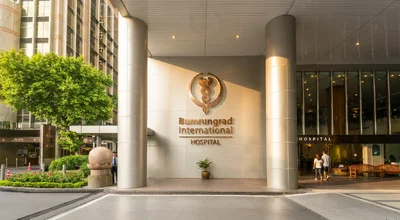
Bumrungrad International Hospital
Southeast Asia's flagship private hospital, treating over 520,000 international patients a year.
View hospital profile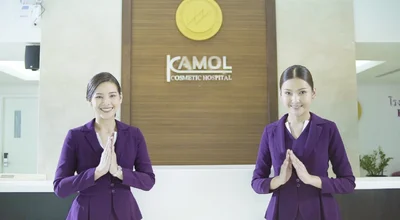
Kamol Cosmetic Hospital
The only specialist cosmetic surgery hospital in Thailand to hold JCI accreditation.
View hospital profile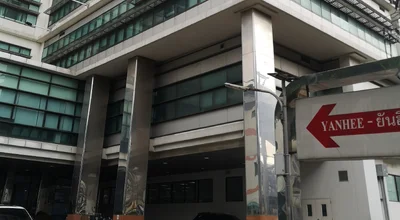
Yanhee International Hospital
A 400-bed hospital known worldwide for high-volume cosmetic surgery.
View hospital profile
Get a Free Quote in Two Minutes
Tell us what you're considering. We'll match you with suitable specialists and provide real hospital pricing.
- Honest pricing with no markups
- Matched to a specialist for your procedure
- No obligation, no pressure


Rated 5 stars by our patients
The complete guide to Thermage in Thailand
Everything below is for readers who want the full detail: costs broken down, types and techniques, recovery, risks and safety, and planning your trip.
Where to Get Thermage in Thailand
With Thermage, the clinic, the device, and the operator matter far more than the marketing. Three things are worth checking before you choose where to be treated in Thailand.
A Genuine Thermage FLX Device
The single most important thing is that the clinic uses an authentic Thermage FLX device made by Solta, not a copycat radiofrequency machine marketed under a similar name. Genuine treatment uses single-use tips coded to the device, so ask directly which device and tips they use. A reputable clinic answers this plainly and is not offended by the question.
A Trained, Experienced Operator
The result and your comfort both depend on the person delivering the treatment, who controls the energy settings, the number of pulses, and the technique over each area. Look for a clinic where a trained operator, often a doctor or a specialist technician under medical supervision, performs Thermage, and ask how often they do it. The delicate eye area in particular calls for genuine experience.
An Honest Consultation
A good clinic assesses whether Thermage is even the right treatment for you before booking it. If your concern is mild laxity or skin quality, Thermage fits; if it is heavy sagging, they should say so and discuss HIFU or surgery instead. Be wary of any clinic that promises a facelift-like result from Thermage, since that is overselling what the treatment can do.
Typical Thermage Results
Thermage results are gradual and natural rather than dramatic. What follows sets out a realistic outcome and how it develops over the months after treatment.
What Thermage Realistically Achieves
Thermage tightens and smooths skin with mild to moderate laxity, firming the cheeks, softening early jowls and crepey necks, and improving skin texture and crepeyness on the body. It does not reduce fat. A natural result is a gentle firming that makes you look well rather than obviously treated, not the dramatic change of a surgical lift.
How Results Change Over Time
You may see a little tightening straight after treatment, but the main change builds over two to six months as new collagen forms, then typically lasts around one to three years. After that the skin continues to age naturally and a repeat treatment can maintain the effect. Protecting your skin from the sun helps the result last, since sun damage breaks down the collagen the treatment works to build.
Thermage Cost in Thailand
Average Cost of Thermage
Thermage in Thailand typically costs between $400 and $1,500 for a treatment, depending on the area and the number of pulses used. The eyes, a smaller area needing fewer pulses, sit at the lower end, while a full-face or a large body area sits at the top. Because Thermage is usually a single treatment rather than a course, that figure is generally the whole cost rather than a per-session charge in a series.
Per Pulse vs Per Area
Pricing per pulse is the most transparent way to buy Thermage, because the number of pulses reflects how much energy your skin actually receives, and more pulses generally means a better, more even result. Pricing per area is simpler but can vary in how many pulses are included, so a cheap per-area price may mean fewer pulses and a weaker result. Either is fine, as long as the clinic is clear which it uses and how many pulses your treatment includes.
What Affects the Price?
The size of the area and the number of pulses are the biggest factors, followed by whether you treat the face alone or add the eyes, neck, or a body area. Genuine single-use tips are a fixed cost that any real Thermage treatment must include, which is why authentic treatment has a floor below which the price cannot honestly go. The operator's experience matters too, and is usually worth paying for.
Thailand vs International Price Comparison
Thermage in Thailand costs considerably less than in the US ($2,000–$4,000), Australia (A$2,500–A$5,000), and the UK (£1,500–£3,000), largely reflecting lower operating costs rather than weaker standards or fake equipment, provided you choose a reputable clinic. Because the absolute saving on a single treatment is meaningful, and there is no downtime, Thermage fits well into a Thailand trip, whether on its own or combined with other treatments.
Thermage vs HIFU
Thermage and HIFU are often mentioned together and sometimes confused, but they use different energy and do different jobs. Understanding the difference helps you choose the right one, or recognise when both make sense together.
Thermage uses radiofrequency to heat a broad volume of the deeper dermis evenly. That makes it good for overall tightening and improving skin quality across an area, smoothing and firming the surface. HIFU uses focused ultrasound to deliver heat to precise, deeper points, including the layer surgeons tighten in a facelift, which makes it better at lifting deeper tissue rather than tightening the skin surface.
In short, Thermage tightens the skin and improves texture across a zone, while HIFU lifts deeper structures at targeted points. They are not really rivals so much as siblings, and many treatment plans use both: HIFU to lift, Thermage to tighten and refine the surface. Which suits you depends on whether your concern is loose skin quality or deeper sagging, and a good clinic will tell you honestly which one, or both, your face needs.
What Thermage Can Treat
The same radiofrequency technology is adapted with different tips for different areas, from the delicate skin around the eyes to larger zones on the body. Most patients start with the face, but Thermage is used well beyond it.
Face & Jowls
The most common use, targeting the cheeks and the jowls along the lower face. Heating the deeper dermis firms loosening skin and softens the early heaviness that develops with age. The effect is a gentle tightening that keeps your features natural rather than pulled, which is why it suits mild to moderate laxity rather than advanced sagging.
- The most popular area for Thermage
- Firms the cheeks and softens early jowls
- A natural tightening rather than a surgical pull
- Best for: mild to moderate facial laxity
Eyes (Eyelid Tightening)
A dedicated eye tip allows Thermage to treat the delicate skin of the upper and lower eyelids safely, an area most energy devices cannot. It can tighten crepey eyelid skin and lift a slightly heavy brow, opening up the upper face. Because the skin here is so thin, this is an area where a trained, experienced operator matters most.
- Uses a specialised eye tip for the eyelid area
- Tightens crepey lid skin and softens a heavy brow
- One of the few non-surgical options for this delicate zone
- Best for: mild eyelid laxity not yet needing surgery
Neck
The neck and under-chin area is prone to early crepey loosening, and it responds well to radiofrequency tightening. Thermage firms the skin here and can soften the look of a loosening jawline and neck without surgery. It will not remove a heavy double chin or significant excess skin, but it is effective for the mild crepeyness that often shows first.
- Firms crepey skin under the chin and on the neck
- Softens an early loosening jawline
- Pairs naturally with face treatment in the same session
- Best for: early neck laxity and crepey texture
Body (Abdomen, Arms & Thighs)
Larger body tips treat areas where skin has loosened or turned crepey, commonly the tummy after weight change or pregnancy, the upper arms, the inner thighs, and the skin above the knees. It can also soften the dimpled look of mild cellulite. Body treatment tightens the skin surface; it does not reduce fat or replace surgery for significant loose skin.
- Tightens crepey or loose skin on the body
- Common for the abdomen, arms, thighs, and knees
- Can soften the appearance of mild cellulite
- Best for: skin laxity, not fat reduction or excess skin removal
Full-Face
Treating the whole face in one session, the forehead, cheeks, jawline, and often the eyes and neck together, gives the most balanced overall result. Rather than firming one zone and leaving the rest, a full-face treatment tightens evenly so the improvement looks natural across the face. It is the most common way Thermage is done for facial concerns.
- Treats the whole face evenly in one session
- Avoids tightening one area while others stay loose
- Often combined with the eyes and neck
- Best for: overall mild facial laxity and skin quality
Thermage Devices & Approaches
Thermage is a specific branded technology, but how it is delivered, and crucially whether the device and tips are genuine, makes a real difference to your result and your safety. Here is what matters.
Thermage FLX (Solta Medical)
The latest generation of the device, and what reputable clinics use. Thermage FLX is faster than older versions, adds a gentle vibration to improve comfort, and uses AccuREP technology to measure the skin and adjust the energy automatically for a more consistent, even result. If a clinic offers Thermage, it is fair to ask which generation of device they run.
- The current generation from Solta Medical
- Faster treatment with added vibration for comfort
- AccuREP tailors the energy to your skin automatically
- Why it matters: the current device is faster and more comfortable
Single-Treatment Protocol
Unlike many tightening treatments that need a course, Thermage is designed as a single session. The full effect builds over the following months as new collagen forms, so one treatment is the standard protocol rather than a series. This is part of its appeal for travellers: one appointment, no return visits required, and the result developing long after you are home.
- Designed as a one-off treatment, not a course
- The result builds gradually over the months after
- Suits a single trip with no return visits needed
- Why it matters: one appointment fits a trip with nothing to come back for
Cooling & Vibration for Comfort
The treatment tip cools the surface of the skin with a burst of cooling at the same moment it delivers heat to the layers beneath, protecting the surface while warming the deeper dermis. The FLX device adds vibration, which the nervous system registers in place of the heat, making the session noticeably more comfortable than earlier radiofrequency treatments.
- Surface cooling protects the skin as deeper layers heat
- Vibration reduces the sensation of the heat pulses
- Most patients tolerate it without anaesthetic
- Why it matters: it makes treatment comfortable without numbing
Genuine Device & Trained Operator
The cut-price risk with Thermage is a counterfeit tip, an underpowered or copycat machine, or an undertrained operator. Genuine Thermage tips are single-use and coded to the device, so a clinic cutting corners on either is the warning sign. A reputable clinic uses an authentic FLX device with genuine tips and a trained operator, and will tell you so plainly if you ask.
- Counterfeit tips and copycat machines are the main risk
- Genuine tips are single-use and coded to the device
- A trained operator controls comfort and result
- Confirm the device and tip are genuine before treatment
What to Expect After Thermage
First 24 Hours
There is no downtime to manage. You can return to normal activity, including makeup and travel, straight away. Some people have mild redness or slight swelling that settles within a few hours, and the treated skin may feel a little warm. You can fly the same day if needed.
First Few Weeks
You may notice some immediate tightening from the collagen contracting during treatment, though this varies and is usually subtle. There is nothing to wait out, no peeling or bruising in the typical case, and no restriction on your normal routine while the deeper process gets going beneath the surface.
Months 2–6
This is where the main result appears. New collagen forms gradually over two to six months1, firming and smoothing the skin steadily rather than all at once. Because it is slow, the change tends to look natural, with friends more likely to say you look well than to spot a treatment.
1–3 Years
The result typically lasts around one to three years1, after which the skin continues to age naturally and a repeat treatment can be considered to maintain the effect. How long it lasts depends on your skin, age, and lifestyle, with sun protection helping it last.
Can You Fly After Thermage?
Yes. There is no medical reason you cannot fly the same day as Thermage. At most you might have mild redness or slight warmth that settles within a few hours, none of which a flight affects. There is no swelling to wait out and no recovery to manage, which is part of why Thermage fits so easily into a trip with no dedicated downtime.
When Can You Exercise and Wear Makeup?
Both straight away in most cases. Makeup can be applied the same day, and normal activity including light exercise can resume immediately, since there is no wound or downtime. The one sensible exception is high heat: the dermis has just been thermally stressed, so avoid saunas, steam rooms, hot yoga, and very hot baths for the first 24 to 48 hours, along with hard sweaty workouts on the day itself. Protect the treated skin from direct sun and use SPF for the first few days, since heat and UV both work against the fresh treatment. If you have any mild redness, you may prefer to let it settle for a few hours before makeup, but there is no other medical restriction on returning to your routine after Thermage.
When Will You See the Full Result?
You may notice some subtle tightening straight away from the collagen contracting during treatment, but the main result builds gradually over two to six months as new collagen forms. This is normal and is how Thermage works: a slow, natural firming rather than an instant change. If you are treating for an event, allow several months for the full effect to develop.
Does Thermage Hurt?
Thermage is designed to be tolerable without anaesthetic. As the tip delivers heat, it cools the skin surface at the same moment and adds a gentle vibration, both of which dull the sensation. Most people describe a deep, brief heating sensation with each pulse rather than pain, and the operator can adjust the energy if any area feels too warm.
If you are sensitive or anxious, a topical numbing cream can be applied beforehand, though many patients find they do not need it. The eye area, being delicate, is sometimes the most noticeable, and your operator will work with your feedback throughout. The newer FLX device is noticeably more comfortable than older radiofrequency treatments thanks to the added vibration.
There is no discomfort to manage afterwards. At most you might have mild warmth, slight redness, or a little swelling for a few hours, none of which needs treatment. There is nothing to take and no recovery to sit through once you leave the clinic.
Risks and Safety of Thermage
Thermage has a strong safety record when a genuine device is used by a trained operator, and side effects are usually minor and short-lived. The risks worth knowing are mostly about the energy settings and about who is delivering the treatment.
- Localised fat loss or contour dimpling if an area is over-treated (rare), which unlike short-lived swelling can be long-lasting and slow to correct, so a measured, trained technique matters
- An uneven or underwhelming result if the treatment is poorly done or under-powered
- Counterfeit tips or an underpowered copycat device producing little effect or harm (the main avoidable risk)
The serious risks almost all come down to two things: too much energy in untrained hands, and fake or underpowered equipment. Both are avoidable. Choose a clinic that uses a genuine Thermage FLX device with authentic single-use tips and a trained operator, and be sceptical of prices far below the market, which is where copycat devices appear.
Is Thermage Safe in Thailand?
Yes, when you choose a clinic using a genuine Thermage FLX device with authentic tips and a trained operator. The treatment itself is the same wherever it is performed, and the difference between a safe treatment and a risky one comes down to genuine equipment and a skilled operator, not the location. Reputable Thai clinics meet that standard and will tell you which device and tips they use if you ask.
How to Reduce Your Risk
Confirm the clinic uses a genuine Thermage FLX device, not a copycat radiofrequency machine, and that the tips are authentic and single-use. Ask who will perform the treatment and how experienced they are. Be sceptical of prices far below the market, since genuine single-use tips are a real cost and a price that seems too good usually means counterfeit equipment.
What If You Don't Like the Result?
Thermage cannot be undone, but its effects are gradual and temporary, lasting around one to three years before fading naturally. If the result is more subtle than you hoped, it is usually because the skin needed more pulses or a different treatment such as HIFU or surgery for deeper sagging, which a good clinic should have discussed beforehand. Honest expectations set before treatment are the best safeguard against disappointment.
Fitting Thermage Into Your Trip to Thailand
Thermage needs no recovery time and is usually a single treatment, so it fits a trip easily rather than dictating it. Here is how to plan it around the rest of your stay.
No Dedicated Stay Needed
Thermage requires no minimum stay. It is a single, walk-in walk-out appointment with no downtime, so you can have it on your first day and carry on with your trip, or fit it in before you fly home. Because it is one treatment rather than a course, there are no return visits to plan around, and the result develops long after you have travelled back.
Combining It With Other Treatments
Thermage is often part of a broader aesthetic plan. It pairs naturally with HIFU, and with Botox or fillers, which handle movement lines and volume. Many patients add Thermage to a trip alongside other treatments, and your clinic will sequence everything sensibly so nothing interferes with anything else.
Timing Around an Event
Because the full result builds over two to six months, Thermage is not a last-minute treatment before an event. If you want to look your best for an occasion, have it several months ahead so the new collagen has time to form. There is no bruising or downtime to plan around, only the gradual nature of the result to allow for.
Related Procedures
Other procedures that address similar goals or conditions, in case one of them is a closer fit for you.
Planning your treatment in Thailand
Independent guides to help you weigh the decision, before you commit to anything.
Common Questions About Thermage
Everything you need to know before your treatment

Medical References
Keep researching with AI
Open this guide in your AI assistant to dig deeper and ask the questions it didn't answer.
Opens in a new tab with this guide already loaded.
Medical disclaimer: This information is for educational purposes only and does not replace professional medical advice. Individual results, recovery times, and suitability vary. Always consult a qualified surgeon before making decisions about treatment.
Ready to Get Started?
Speak with our care coordinators for a free, no-obligation consultation and personalised quote.
Speak to Our Team