Thigh Lift in Thailand Your guide to cost, top surgeons & hospitals
When inner thigh skin hangs loose despite everything you have done, surgery is the only thing that fixes it.
What Is Thigh Lift?
Also known as: Thigh Tightening · Thighplasty
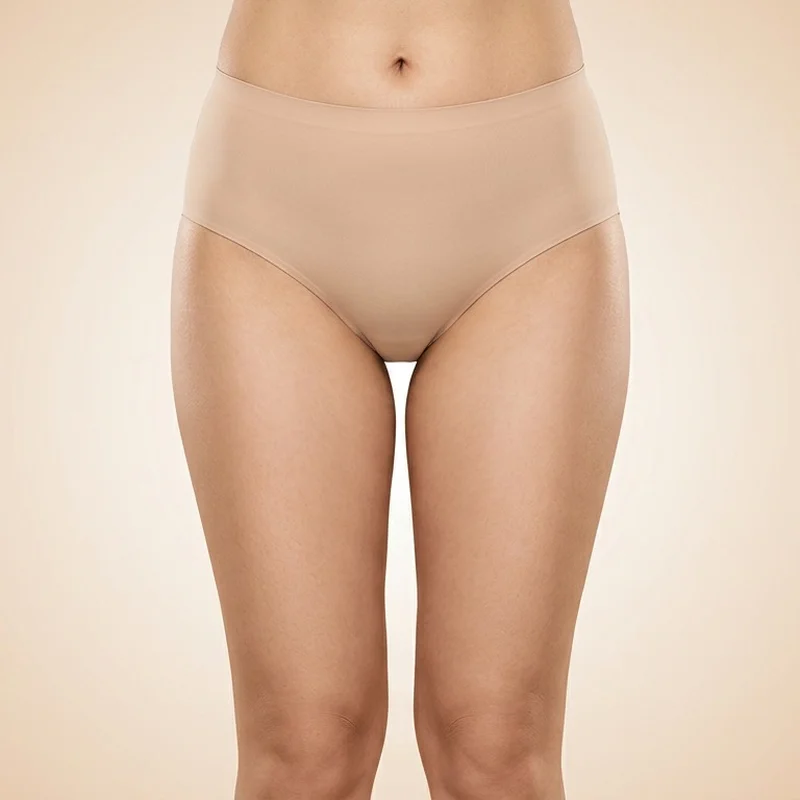
A thigh lift, or thighplasty, is surgery that firms the upper leg by removing excess skin and fat, then tightening the tissue underneath and redraping what remains. It treats loose, sagging skin on the inner thigh, the outer thigh, or both, and the skin removed does not come back5. It is most often done after significant weight loss or for age-related laxity, and usually takes about 2 to 3 hours under general anaesthesia.
The main choice is where the incision goes, and there is no single right answer until your surgeon sees how far the loose skin extends. A scar in the groin crease stays hidden but reaches only the upper inner thigh. A longer scar down the leg removes more skin but shows more.
A thigh lift always trades a scar for a smoother shape5, so it suits people who would accept that. For most patients the comfort matters as much as the look. If you are still losing weight, it is usually worth waiting until you are stable, and a consultation is the place to talk through which approach fits you.
It can address a range of concerns, including:
Am I a Good Candidate for Thigh Lift?
Thigh lift outcomes are largely decided at consultation, where surgeons weigh weight history, scar tolerance, and healing risk.
Candidates have structural laxity that only excisional surgery corrects.
Loose inner-thigh skin: hanging skin after significant weight loss, which no amount of training will re-tighten.
Chafing: skin-on-skin friction causing irritation or infection in the inner-thigh fold, often as much a comfort issue as a cosmetic one.
Outer-thigh sagging: saddlebag contour or drooping that distorts leg proportions.
Clothing fit: excess thigh tissue that makes clothing fit poorly even though you are at your target weight.
Surgeons ask for longer weight stability here than for most contouring procedures.
Stable for 6 to 12 months: candidates hold a stable weight for 6 to 12 months before surgery.
Why it matters: further weight loss after the operation leaves fresh laxity below the repair, undoing the correction.
Contouring, not weight loss: the procedure works best with weight stable before and after; significant gain later can stretch the remaining skin.
The scar pattern varies by approach and is the main visible trade-off.
Placement depends on approach: a medial lift hides the scar in the groin crease, a vertical lift runs it down the inner thigh, and a lateral lift places it along the waistline.
Widening tendency: inner-thigh scars tend to widen slightly over the first year, so scar management with silicone strips and massage matters.
Migration risk: without fascial anchoring the groin scar can pull downward over time, which is why technique is part of the suitability conversation.
The groin and inner thigh are a demanding healing zone, so lifestyle factors weigh heavily.
Non-smoker: wound separation at the groin crease, the most common complication, is significantly more likely in smokers.
Job demands: long periods of standing or sitting in the first 4 to 6 weeks are a problem, when lymphatic swelling and wound tension are highest.
Lymphatic history: lymphoedema, prior groin surgery, or lymph node clearance can complicate healing in this area.
Clear skin: no active skin conditions or infections in the thigh or groin region.
Who is not suitable for thigh lift?
- Weight not stable after major weight loss
- Unwilling to accept the scar pattern for the approach needed
- Jobs requiring prolonged standing or sitting in the first 4-6 weeks
- Lymphoedema or prior groin surgery or lymph node clearance
- Active skin condition or infection in the thigh or groin area
- Smokers unwilling to stop four weeks before surgery
- Personal or strong family history of DVT or PE, or a known clotting disorder, until assessed
- Poorly controlled diabetes, which raises groin-crease wound separation risk
Pricing
How Much Will Thigh Lift Cost in Thailand?
What thigh lift costs at accredited hospitals in Thailand, and what your final quote depends on.
Get your exact price
Tell us what you're considering and we'll send a personalised quote from accredited hospitals within 24 hours.
Get my free quoteTypical prices in Thailand
Typical ranges based on recent hospital quotes. Your exact price depends on the hospital and how complex your case is, and is confirmed at your teleconsultation.
Thigh Lift
Your surgeon picks the lift from where the loose skin sits, not from a menu. Each step down the leg means a longer scar and a longer operation.
| Medial thigh lift 1 to 2 nights Groin-crease scar, for loose skin on the upper inner thigh | $3,000 to $4,000 ฿102,000 to ฿136,000 |
| Vertical thigh lift 1 to 2 nights Scar runs down the inner thigh when loose skin reaches towards the knee | $4,000 to $5,200 ฿136,000 to ฿176,800 |
| Lateral thigh lift 1 to 2 nights Waistline incision that lifts the outer thigh and saddlebag area | $4,500 to $5,500 ฿153,000 to ฿187,000 |
| Spiral thigh lift 1 to 2 nights Wraps around the whole thigh, for widespread loose skin after major weight loss | $5,000 to $6,000 ฿170,000 to ฿204,000 |
Typically not included
- Compression garments, worn for several weeks and usually more than one is needed
- Any revision or touch-up procedure
- Extra nights in hospital if your surgeon keeps you longer than quoted
- Treatment of a complication
- Pre-operative tests and medical clearance
Get your exact price
Tell us what you're considering and we'll send a personalised quote from accredited hospitals within 24 hours.
Hospitals Trusted for Thigh Lift
From internationally accredited flagships to dedicated specialist hospitals, these are the kinds of facilities where international patients have this procedure.

Rattinan Clinic
A specialist body contouring clinic in central Bangkok with over 14,000 BodyTite treatments performed.
View hospital profile
Kamol Cosmetic Hospital
The only specialist cosmetic surgery hospital in Thailand to hold JCI accreditation.
View hospital profile
Yanhee International Hospital
A 400-bed hospital known worldwide for high-volume cosmetic surgery.
View hospital profile
Get a Free Quote in Two Minutes
Tell us what you're considering. We'll match you with suitable specialists and provide real hospital pricing.
- Honest pricing with no markups
- Matched to a specialist for your procedure
- No obligation, no pressure


Rated 5 stars by our patients
The complete guide to Thigh Lift in Thailand
Everything below is for readers who want the full detail: costs broken down, types and techniques, recovery, risks and safety, and planning your trip.
Thigh Lift Surgeons & Clinics in Thailand
Thigh lift demands specific expertise in scar placement and wound management in a difficult anatomical zone. Here is what matters when choosing a surgeon.
Leading Hospitals in Bangkok
Our partner hospitals have plastic surgery departments that handle body contouring as a core service, not an occasional add-on. Operating theatres are equipped for extended procedures, and in-patient nursing staff are familiar with post-contouring wound care. This matters because thigh lift incisions require more attentive aftercare than many other cosmetic procedures.
Experienced Thighplasty Surgeons
Our surgeons are board-certified with body contouring credentials. For thigh lift, the relevant experience is managing incisions in the groin and inner thigh, areas prone to wound separation and scar widening. We look for surgeons who use fascial anchoring routinely and who handle post-bariatric cases regularly, since that is where the strongest track record in this area is built. We are happy to walk you through a surgeon's specific experience before you book.
What to Look for in a Surgeon
The most telling sign of a strong thigh lift surgeon is before-and-after photos of patients at the 12-month mark, since early post-op photos do not show scar maturation or potential migration. Wound separation rate matters too, because this is the most common complication. We screen for surgeons who use fascial anchoring routinely and can explain their approach to minimising groin-crease complications, and we can share this detail with you before you decide.
Understanding Your Results
Thigh lift produces a visible transformation in leg contour, but the scar progression is part of the result. Here is what to expect at each stage.
Typical Thigh Lift Results
The sagging skin is gone and the thigh contour is noticeably smoother and tighter. For post-weight-loss patients, the change is dramatic, thighs that previously rubbed together or hung loosely are reshaped into a proportionate silhouette. The improvement in comfort and clothing fit is often as significant as the aesthetic change.
What Results Can You Expect?
Results depend on the extent of laxity and the approach used. A medial thigh lift produces a subtle but meaningful improvement in the upper inner thigh. A vertical or spiral lift produces a more dramatic transformation but with more extensive scarring. Your surgeon will use clinical photography and physical examination to explain what is achievable with your anatomy.
Thigh Lift Cost in Thailand
Average Cost of Thigh Lift Surgery
Thigh lift in Thailand typically costs between $3,000 and $6,000. A medial thigh lift sits at the lower end. Vertical or spiral thigh lifts that remove more tissue cost more, as do procedures combined with liposuction. The exact quote depends on the surgical plan confirmed at consultation.
Cost Breakdown
A typical total covers the surgeon's fee (usually the largest component), hospital and theatre fees, anaesthesia, and aftercare, with aftercare typically including compression garments, drain management, follow-up appointments, and medications. Exact inclusions are set by the clinic and confirmed in writing, and each item should be listed separately in your quote so you can see where the cost sits.
What Affects the Price?
Price is driven by the extent of surgery. A medial thigh lift with a short groin-crease incision takes less time and costs less than a vertical or spiral approach. Adding liposuction increases the fee. Bilateral procedures (both legs) are standard, unilateral thigh lift is rare. Surgeon experience and hospital tier also factor in.
Thailand vs International Price Comparison
Thigh lift in Thailand costs 40–60% less than equivalent procedures in the US ($8,400–$15,000), Australia (A$7,800–A$13,500), and the UK (£6,600–£11,400). The price difference reflects lower facility costs in Thailand, not a lower standard of surgery. Our partner hospitals hold JCI accreditation and surgeons are certified by the Thai Board of Plastic and Reconstructive Surgery.
Surgical vs Non-Surgical Thigh Contouring
Several non-surgical options are marketed for the thighs, and it helps to know what each one actually targets. Fat-reduction treatments like fat freezing (cryolipolysis) and laser or injectable fat-dissolving can shrink a stubborn fat pocket on the outer thigh, while radiofrequency and focused-ultrasound skin-tightening aim to firm mild skin laxity. Liposuction alone also debulks fat through tiny incisions with no major scar. For someone whose thighs are mostly a fat issue with good skin tone, one of these can be the right call.
The limits are the whole point, though. None of these removes loose, hanging skin, and on thighs that have lost significant volume after weight loss, fat-reduction or even liposuction can leave the skin emptier and looser than before. Energy-based tightening produces a subtle effect at best, fades, and needs repeat sessions to maintain; it cannot lift skin that genuinely sags. These treatments reduce fat or tighten skin a little, but they do not redrape and excise excess skin.
A thigh lift is the route when the problem is the skin itself: inner-thigh skin that hangs, chafes, or no longer retracts. It is the only option that physically removes that excess and tightens the tissue underneath for a lasting result, which is what the rest of this page covers. We arrange surgical thigh lift only, not the non-surgical treatments above.
Types of Thigh Lift
Which thigh lift you need depends on where the laxity is, how far it extends, and how much skin needs removing. Getting the type right is more important than the technique, the wrong approach leaves either a visible scar for minimal improvement, or an under-correction that needs revising.
Medial Thigh Lift
The most common type. An incision in the groin crease removes excess skin from the upper inner thigh. The scar hides in the fold between thigh and groin. It works well for mild to moderate inner-thigh laxity but cannot reach skin below the mid-thigh.
- Scar concealed in the groin crease, usually hidden by underwear
- Addresses upper inner thigh laxity effectively
- Cannot correct sagging that extends below mid-thigh
- Best for: mild to moderate inner-thigh laxity from ageing or moderate weight loss
Vertical Thigh Lift
A vertical incision down the inner thigh allows removal of significantly more tissue than a medial lift alone. Necessary for patients with laxity running from groin to knee. The trade-off is a longer, more visible scar along the inner leg.
- Removes skin from groin to knee along the inner thigh
- Produces more dramatic improvement in severe laxity cases
- Scar is longer and more visible than a medial-only approach
- Best for: post-bariatric patients with extensive inner-thigh skin excess
Lateral (Outer) Thigh Lift
Targets the outer thigh and hip area through an incision along the waistline or upper buttock crease. Often performed as part of a lower body lift. The scar sits where a belt would, making it concealable. Addresses saddlebag contour and outer-thigh drooping.
- Incision along the hip or waistline, hidden by clothing
- Lifts the outer thigh and improves saddlebag contour
- Frequently combined with lower body lift for comprehensive results
- Best for: outer-thigh sagging, saddlebag deformity, or as part of circumferential body contouring
Thigh Lift Techniques
Technique determines how the tissue is removed and reshaped. The choice depends on skin quality, fat volume, and whether the underlying fascia needs anchoring.
Excision with Fascial Anchoring
The standard technique. Skin and fat are excised, then the remaining tissue is sutured to the deep fascia (Colles fascia or similar) to prevent the scar from migrating downward over time. Fascial anchoring is what separates a good long-term result from one that sags again within two years.
- Sutures anchor skin to deep fascia for lasting position
- Reduces scar migration, a common problem without anchoring
- Standard approach at experienced body contouring centres
- Best for: most thigh lift patients, particularly those with significant laxity
Liposuction-Assisted Thighplasty
Combines liposuction with skin excision when excess fat sits alongside the loose skin. The liposuction debulks the thigh first, then the skin is excised. Adds operating time but produces better definition in patients who carry both fat and skin excess.
- Fat removal followed by skin excision in one session
- Improved thigh contour beyond what excision alone achieves
- Slightly longer recovery due to combined tissue disruption
- Best for: patients with both excess skin and stubborn thigh fat deposits
Spiral Thigh Lift
A more extensive approach where the incision wraps from the inner thigh around to the posterior thigh and buttock crease. Used for patients with circumferential thigh laxity, skin sagging on all sides. Produces the most comprehensive correction but also the most extensive scarring.
- Incision encircles the upper thigh for 360-degree correction
- Addresses inner, outer, and posterior thigh laxity simultaneously
- Longest recovery and most visible scarring of all approaches
- Best for: severe circumferential thigh laxity, typically post-bariatric patients
Thigh Lift Recovery Timeline
Week 1
Significant swelling and bruising across the inner thighs. Walking is slow and deliberate, short distances only, with legs slightly apart. Compression garments are worn continuously. Drains, if placed, are typically removed at day 3–5. Your coordinator checks in daily.
Weeks 2–3
Swelling subsides noticeably and walking becomes more comfortable. Most patients manage short outings and desk work by the end of week 2. Avoid crossing your legs, squatting, or any wide leg movements. Stitches are checked or removed during this period.
Weeks 4–6
Mobility improves substantially. Light exercise like flat walking and gentle cycling can resume. Avoid running, lunging, or any activity that stresses the inner thigh incision. Scars are pink and raised but beginning the maturation process.
Months 3–12
Thigh contour is well-defined and final shape is apparent by month 3. Scars continue to fade and flatten over the following year. Full exercise, including running and weight training, is cleared around week 8–10. Compression garments are no longer needed.
When Can You Fly After a Thigh Lift?
Most patients are cleared to fly at 10–14 days, once drains are out and wound healing is confirmed. The main concern during a flight is prolonged sitting, blood pooling and DVT risk increase after lower-body surgery3. Wear compression garments, walk the aisle regularly, and stay hydrated. Fitness to fly is confirmed at your final follow-up.
When Can You Return to Work and Exercise?
Desk work is usually possible from week 2, though sitting for long stretches can be uncomfortable in the first month. Standing or walking-intensive jobs need 4–6 weeks. Exercise starts with flat walking and builds gradually. Running and leg-intensive workouts are typically cleared at week 8–10 depending on incision healing.
When Will You See Final Results?
The shape improvement is visible within a few weeks as swelling clears, but the final thigh contour takes 3–6 months to fully settle. Scars take the longest, they start pink and raised, then gradually flatten and pale over 12–18 months. Inner-thigh scars tend to widen slightly over the first year, so scar management (silicone strips, massage) is important.
Anaesthesia for Thigh Lift Surgery
A thigh lift is performed under general anaesthesia, so you are fully asleep and feel nothing during the operation. A consultant anaesthetist stays with you for the whole procedure and monitors you continuously, which is standard at the accredited hospitals we work with. General anaesthesia is the right choice here because the surgery takes around two to three hours and involves working along the inner thigh and groin, often on both legs, which would not be comfortable or safe under local anaesthetic alone.
If liposuction is combined with the skin excision, or the case is a longer vertical or spiral lift, that does not change the anaesthetic approach, you are asleep throughout either way. Your surgeon and anaesthetist confirm the plan together based on the extent of surgery and your medical history.
Before you are cleared for anaesthesia you have a pre-operative assessment, including blood tests and a review of any medication you take, with particular attention to anything affecting clotting, since lower-body surgery carries a higher DVT risk. You feel nothing during the procedure itself. When you wake, the inner thighs feel tight and stiff rather than sharply painful, and that discomfort is well controlled with the medication your surgeon prescribes, easing to over-the-counter relief for most people within the first couple of weeks.
Risks and Safety of Thigh Lift Surgery
Thigh lift carries specific risks related to incision location, the inner thigh and groin area are subject to movement, moisture, and friction, all of which affect healing.
The groin and inner thigh are challenging areas for wound healing because the incisions sit in a warm, mobile zone. Proper compression garment use, keeping the area dry, and avoiding premature leg movements are the most effective ways to reduce complications.
Is Thigh Lift Surgery Safe in Thailand?
Yes. Thighplasty is performed at JCI-accredited hospitals in Thailand. Our partner surgeons are certified by the Thai Board of Plastic and Reconstructive Surgery and experienced with body contouring cases where wound healing demands are higher than average.
How to Reduce Your Risk
Start with a JCI-accredited hospital and a surgeon experienced in lower-body contouring. Stop smoking at least four weeks before, wound separation in the groin crease is significantly more likely in smokers. Follow compression garment instructions without exception. Walk early and often to reduce DVT risk, but avoid wide leg movements that stress the suture line.
When Is Revision Surgery Needed?
Revision may be warranted for scar widening, residual laxity, or asymmetry. Scar migration, where the groin scar pulls downward over months, is the most common reason for revision and is reduced with fascial anchoring technique. Wait at least 12 months before considering revision, as scars and contour continue to settle throughout that period.
Planning Your Trip to Thailand for Thigh Lift Surgery
Most thigh lift patients need 10–14 days in Thailand. The procedure is straightforward to schedule but the first two weeks of recovery require careful management.
How Long to Stay in Thailand
Plan for 10–14 days minimum. This covers your pre-operative assessment, the surgery itself, 1–2 nights in hospital, drain removal at day 3–5, and follow-up checks at days 7 and 10. Your surgeon needs to confirm wound healing before clearing you for a long-haul flight.
What's Included in a Medical Trip
Your coordinator manages hospital scheduling, transfers, and follow-up appointments. A typical surgical quote covers surgeon fees, anaesthesia, hospital stay, compression garments, and post-operative medications, though exact inclusions are set by the clinic and confirmed in writing in your quote. Flights and accommodation are usually separate, but your coordinator can recommend hotels close to the hospital.
Recovery in Bangkok vs Phuket
Stay in Bangkok for the full recovery period. Thigh lift incisions are in a challenging area for wound healing, and being close to your surgical team matters more than with most procedures. If a wound separation occurs, the most common complication, you want to be minutes from the hospital, not a flight away.
Related Procedures
Other procedures that address similar goals or conditions, in case one of them is a closer fit for you.
Planning your treatment in Thailand
Independent guides to help you weigh the decision, before you commit to anything.
Common Questions About Thigh Lift
Everything you need to know before your procedure

Medical References
- Complications After Thigh Lift Surgery Common but Usually Minor Reports Plastic and Reconstructive Surgery (American Society of Plastic Surgeons)
- Thigh Lift Risks and Safety (American Society of Plastic Surgeons)
- Deep Vein Thrombosis DVT Symptoms and Treatment (Cleveland Clinic)
- Reducing Your Risk of Developing a Blood Clot (healthdirect)
- Thigh Lift Results (American Society of Plastic Surgeons)
Keep researching with AI
Open this guide in your AI assistant to dig deeper and ask the questions it didn't answer.
Opens in a new tab with this guide already loaded.
Medical disclaimer: This information is for educational purposes only and does not replace professional medical advice. Individual results, recovery times, and suitability vary. Always consult a qualified surgeon before making decisions about treatment.
Ready to Get Started?
No-obligation consultation and quote within 24 hours. Speak with a coordinator who can match you to the right surgeon and hospital.
Speak to Our Team