How to Choose a Safe Cosmetic Surgery Clinic Abroad
The website sells you photos, reviews, and a tempting price. None of it tells you whether the surgery will be safe. Here is what actually keeps you safe, and how to check it.
Published 2 April 2026
A cosmetic clinic's website is built to sell you a feeling: the bright photos, the glowing reviews, the price that looks too good to pass up. None of it tells you whether the surgery itself will be safe.
That gap matters more in cosmetic surgery than almost anywhere else, because this is elective. You are choosing to have an operation you do not medically need, which means how and where it is done deserves real scrutiny, not a leap of faith in a polished page.
The reassuring part is that the things that actually keep you safe are checkable. This guide is about what to look for, and what the marketing quietly leaves out.
The first question is not the clinic, it is the surgeon
Cosmetic surgery has a problem other fields do not: the words "cosmetic surgeon" are not always what they sound like. In many places, a doctor with limited surgical training can perform cosmetic procedures, and the marketing will not flag the difference.
What you want is a board-certified plastic surgeon. That means someone who completed full surgical training and specialist certification in plastic or reconstructive surgery, not a general doctor who added cosmetic work on the side.
Ask directly which board certified them, and in what field. Certification in plastic surgery is the floor, not a bonus. A beautiful clinic with the wrong surgeon is still the wrong clinic.
Where the operation actually happens
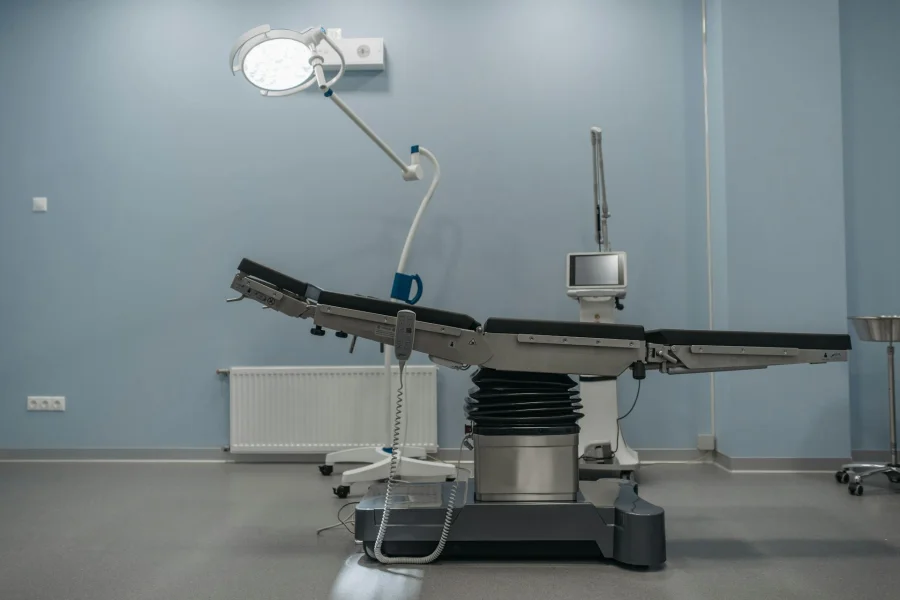
The second thing the photos rarely show is the operating theatre. A safe procedure is done in a properly equipped, accredited surgical facility, whether that is a hospital or a licensed day-surgery unit, not a treatment room behind a consulting suite.
Ask where your surgery will take place, whether the facility is accredited, and what happens if you need to stay overnight. Anything beyond minor work should not be done somewhere that cannot keep you safely, or escalate your care if something changes.
Anaesthesia is where cosmetic surgery gets dangerous
If there is one under-discussed risk in cosmetic surgery, it is anaesthesia. A large share of the serious complications happen here, not with the procedure itself.
A safe clinic uses a qualified anaesthetist, proper monitoring, and a facility set up to respond if your breathing or heart needs support. Ask who administers your anaesthesia and what their qualifications are. "The surgeon handles the sedation" is not a reassuring answer for anything beyond the most minor treatment.
Accreditation, in its place
Accreditation still matters. International standards such as JCI, and Thailand's national HA, confirm that a facility meets audited benchmarks for safety, hygiene, and staffing.
For cosmetic surgery, treat accreditation as the foundation rather than the headline. It tells you the building and the systems are sound, which frees you to focus on the surgeon and the specifics. A facility you can find in the official accreditation directory is a good sign. One that leans on the word without appearing there is not.
Why before-and-afters and reviews are not safety signals
It is worth being blunt about this. A stunning gallery of results tells you a clinic can produce good outcomes for the cases it chooses to show. It tells you nothing about its complication rate, its anaesthesia standards, or whether the surgeon is right for you.
Reviews are similar. They are selected, they reflect happy patients, and they say little about the rare day when something goes wrong. Use them for a feel, never as proof of safety.
If something goes wrong
Even in skilled hands, complications happen. What separates a safe clinic is having planned for them.
Ask what the emergency arrangements are, whether there is a hospital and intensive care to escalate to, who looks after you overnight, and what aftercare is included once you go home. A clinic that treats these questions as routine is reassuring. One that brushes them off is telling you something.
How to verify it yourself
Most of this is checkable before you pay anything.
- Confirm the surgeon's board certification in plastic surgery, and registration with the Thai Medical Council.
- Confirm the surgical facility is accredited, and find it in the official directory rather than taking the claim on trust.
- Ask, in writing, who performs your anaesthesia, where the surgery happens, and what the emergency and aftercare plan is.
If a clinic is reluctant to answer any of these plainly, that reluctance is your answer.
Questions worth asking before you book
- Are you a board-certified plastic surgeon, and certified by whom?
- Where exactly will my surgery take place, and is that facility accredited?
- Who administers my anaesthesia, and what are their qualifications?
- What is the plan if there is a complication, during or after surgery?
- What aftercare is included once I have flown home?
A quick safety checklist
- A board-certified plastic surgeon, verified, not a general "cosmetic doctor".
- Surgery in an accredited hospital or licensed surgical facility.
- A qualified anaesthetist and proper monitoring.
- A clear emergency and overnight-care plan.
- Accreditation confirmed in the official directory.
- Aftercare arranged for once you are home.
Frequently asked questions
Is a cosmetic surgeon the same as a plastic surgeon?
Not necessarily. "Cosmetic surgeon" is not always a protected title, and some who use it have limited surgical training. Look specifically for board certification in plastic or reconstructive surgery.
Does a beautiful before-and-after gallery mean a clinic is safe?
No. It shows selected aesthetic results, not safety. Complication rates, anaesthesia standards, and surgeon credentials are what matter, and a gallery shows none of them.
Why does anaesthesia matter so much in cosmetic surgery?
Many of the serious complications in cosmetic surgery are anaesthesia-related. A qualified anaesthetist, and a facility equipped to respond, are essential rather than optional.
Is accreditation enough on its own?
It is necessary but not sufficient. Accreditation confirms the facility meets standards. You still need the right surgeon and a clear safety plan for your specific procedure.
How do I check all this from another country?
Ask for it in writing, verify the surgeon and facility against official registers, and use a video consultation. A trustworthy clinic will expect the questions and answer them readily.
How Thailand Beauty helps
We start from safety, not the brochure. Every surgeon we work with is a board-certified plastic surgeon operating in an accredited facility, and we are glad to show you how that checks out rather than ask you to take our word for it.
If you want help confirming a clinic's credentials, or matching your procedure to the right surgeon, tell us which clinic you are considering and we will go through it with you.

Related Articles

Is Your Clinic Actually Run by a Real Doctor? How to Check
Most aesthetic and beauty clinics are not run by plastic surgeons, and a few are…

The Real Risks of Cosmetic Surgery Abroad, and How to Reduce Them
Every operation carries risk, and cosmetic surgery abroad adds a few specific on…

Recovery and Flying Home After Cosmetic Surgery
The result you are picturing is months away, not the day you fly home. What reco…
Does Insurance Cover Cosmetic Surgery Abroad?
There is a quiet assumption that insurance has your back. For cosmetic surgery a…
Ready to Get Started?
Speak with our care coordinators for a free, no-obligation consultation and personalised quote.
Get a Free Quote