Brazilian Butt Lift in Thailand Your guide to cost, top surgeons & hospitals
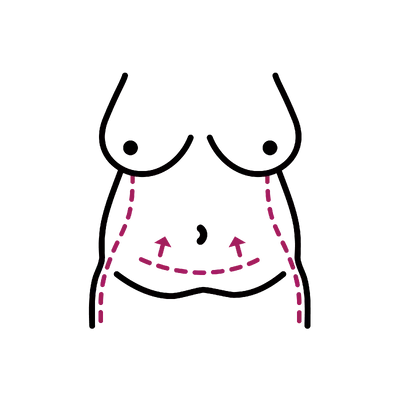
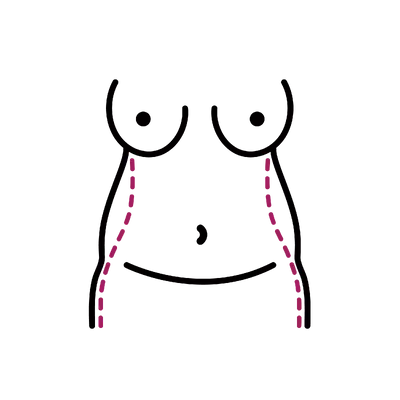
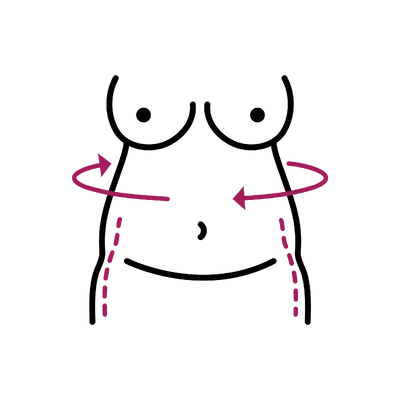
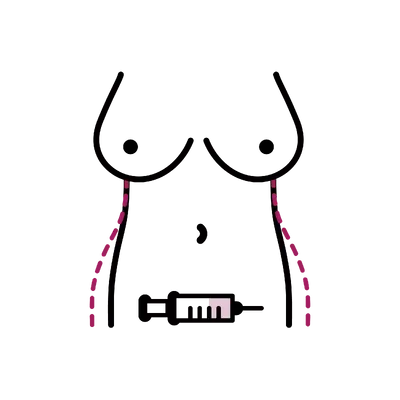
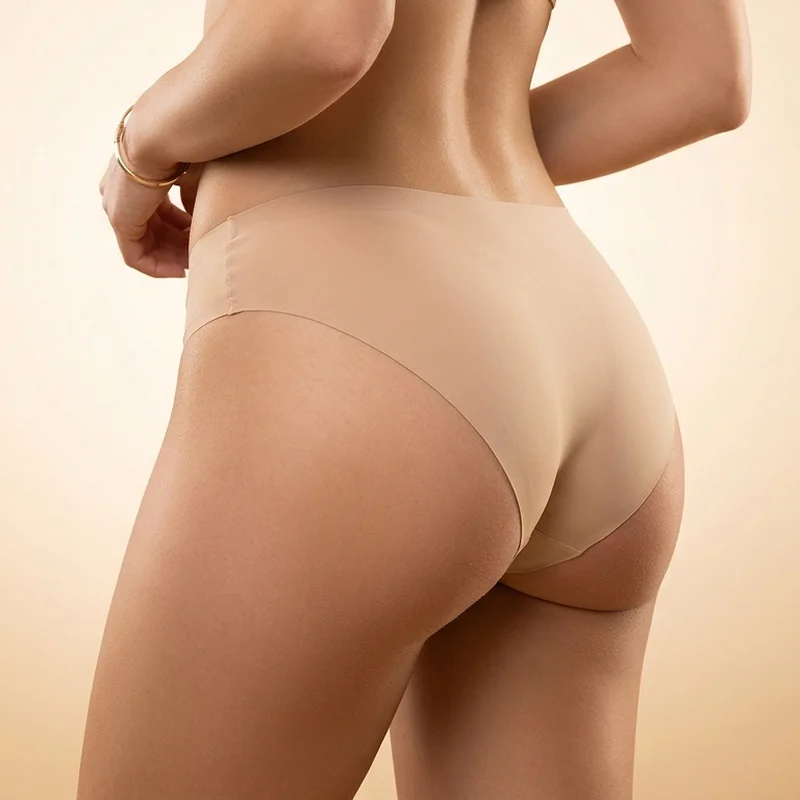
A BBL does two things at once, it slims where you carry excess and builds where you want more curve.
What Is Brazilian Butt Lift?
Also known as: BBL · Gluteal Fat Transfer
A Brazilian Butt Lift is a body contouring procedure that adds volume and shape to the buttocks by transferring your own fat instead of an implant. Liposuction removes fat from the abdomen, flanks, or lower back, which is cleaned and reinjected into the buttocks in thin layers to build projection and curve. So it slims the donor areas while building the buttocks. It is usually done under general anaesthesia in 2 to 4 hours, and the fat that settles in is permanent.
Because the only material used is your own fat, the result is built around your body rather than a fixed size. How much you have to harvest, how it is placed, and the curve you want all shape the plan, worked out with you at consultation.
Be patient in the early weeks, because the buttocks look larger at first and some transferred fat is naturally reabsorbed over the first 2 to 3 months. Roughly 60 to 80 percent stays for good, and your shape is clear by month 6. A careful surgeon will not promise a specific size before seeing how much donor fat you have.
It can address a range of concerns, including:
Am I a Good Candidate for Brazilian Butt Lift?
BBL suitability is mostly about safety and logistics, donor fat, health history, and whether your life genuinely allows the recovery.
Many surgeons treat age as a real caution for this procedure, not a formality.
25 and over: BBL has historically shown higher complication rates in patients under 25, and many surgeons advise waiting.
A stable phase: grafted fat behaves like normal tissue, growing and shrinking with weight changes, so surgery is best timed for a settled period of weight and lifestyle.
Recovery window: with sitting restrictions running 6-8 weeks, candidates need a stretch of life where work and commitments can flex around that.
Your own fat is the only material used, so your reserves determine what is possible.
Harvestable fat: good candidates have enough donor fat in the abdomen, flanks, or thighs for meaningful transfer.
Volume required: typically 300-1,000ml of purified fat per side, depending on the enhancement level, assessed at consultation.
Very lean patients: limited donor fat caps how much volume can safely be transferred; a targeted, subtler BBL may still work, but a dramatic result will not.
BBL has received more safety scrutiny than any other cosmetic procedure, so health screening is strict.
No clotting history: a history of pulmonary embolism, clotting disorders, or anaesthesia complications is a firm caution flag.
Non-smoker: or willing to stop at least four weeks before and after surgery.
Fit for the operation: this is 2-4 hours under general anaesthesia covering both liposuction and grafting sites, and good nutrition afterwards supports fat survival.
The recovery rules are unusually demanding, and they are not optional.
No direct sitting: you avoid sitting on the buttocks for 2-3 weeks, then use a BBL pillow whenever seated for up to 6-8 weeks.
Sleep position: stomach or side sleeping only; lying on your back compresses the graft.
Job and living setup: surgeons ask directly whether your work and home situation realistically allow this; standing desks and flexible arrangements make the difference.
Not all transferred fat survives, and the early result is not the final one.
20-40% reabsorption: some of the injected fat is naturally reabsorbed over the first 2-3 months; your surgeon over-injects slightly to compensate.
60-80% survives: the fat that establishes a blood supply is permanent and behaves like normal tissue.
Month 6 verdict: the final shape and volume are only clear by month 6, so candidates need patience built into their expectations.
Who is not suitable for brazilian butt lift?
- Under 25, where many surgeons advise waiting before BBL
- Unable to avoid sitting and back-sleeping for 6-8 weeks due to job or living setup
- Very lean with insufficient donor fat
- A BMI above the clinic's safe threshold, or fat that is mostly visceral (around the organs) rather than soft subcutaneous fat that can be harvested
- History of pulmonary embolism, clotting disorders, or anaesthesia complications
- Smokers unwilling to stop before and after surgery
- Expecting guaranteed sizes or volumes from fat transfer
- Significant uncontrolled heart or lung disease, or otherwise not medically fit for general anaesthesia
- Bleeding or clotting disorders, current pregnancy, or active infection
Pricing
How Much Will Brazilian Butt Lift Cost in Thailand?
What brazilian butt lift costs at accredited hospitals in Thailand, and what your final quote depends on.
Get your exact price
Tell us what you're considering and we'll send a personalised quote from accredited hospitals within 24 hours.
Get my free quoteTypical prices in Thailand
Typical ranges based on recent hospital quotes. Your exact price depends on the hospital and how complex your case is, and is confirmed at your teleconsultation.
Brazilian Butt Lift
What you pay tracks how much liposuction the case needs, because the fat has to be harvested from somewhere before any of it can be transferred.
| Targeted BBL, one or two donor areas Moderate shaping with liposuction focused on a couple of areas | $3,500 to $4,500 ฿119,000 to ฿153,000 |
| Full BBL with 360 liposuction The whole midsection is slimmed and the fat used for maximum volume | $5,000 to $7,000 ฿170,000 to ฿238,000 |
| BBL revision Correcting or building on a previous result, working around existing scar tissue | $4,500 to $7,000 ฿153,000 to ฿238,000 |
Get your exact price
Tell us what you're considering and we'll send a personalised quote from accredited hospitals within 24 hours.
Hospitals Trusted for Brazilian Butt Lift
From internationally accredited flagships to dedicated specialist hospitals, these are the kinds of facilities where international patients have this procedure.
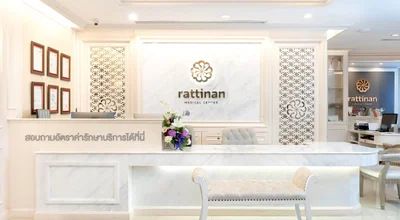
Rattinan Clinic
A specialist body contouring clinic in central Bangkok with over 14,000 BodyTite treatments performed.
View hospital profile
Kamol Cosmetic Hospital
The only specialist cosmetic surgery hospital in Thailand to hold JCI accreditation.
View hospital profile
Yanhee International Hospital
A 400-bed hospital known worldwide for high-volume cosmetic surgery.
View hospital profile
Get a Free Quote in Two Minutes
Tell us what you're considering. We'll match you with suitable specialists and provide real hospital pricing.
- Honest pricing with no markups
- Matched to a specialist for your procedure
- No obligation, no pressure


Rated 5 stars by our patients
The complete guide to Brazilian Butt Lift in Thailand
Everything below is for readers who want the full detail: costs broken down, types and techniques, recovery, risks and safety, and planning your trip.
BBL Surgeons & Clinics in Thailand
With BBL more than any other procedure, the surgeon is the safety variable. Here is how to evaluate your options.
Leading Hospitals in Bangkok
Our partner hospitals are JCI-accredited with dedicated plastic surgery departments, full anaesthesia teams, and overnight recovery wards. For a procedure that involves both liposuction and fat injection, hospital infrastructure matters. These are not boutique clinics, they are full-scale hospitals that manage complications internally.
Experienced BBL Surgeons
Our partner surgeons are board-certified by the Thai Board of Plastic and Reconstructive Surgery and perform BBL regularly as part of their body contouring caseload. They follow updated safety protocols including subcutaneous injection and, where available, ultrasound-guided depth verification. High surgical volume in Thailand means these surgeons have handled a wide range of body types, fat distributions, and revision cases.
What to Look for in a BBL Surgeon
Fat embolism prevention is the thing that matters most, so a clear subcutaneous-only injection depth protocol, ideally with ultrasound verification, is the first thing we screen our partner surgeons for. We also look at board certification, body contouring caseload, and before-and-after results for patients with builds similar to yours, which your coordinator can share at consultation. One thing worth knowing as a patient: a reputable surgeon will not promise a specific cup size or volume without assessing your donor fat availability first, so be wary of anyone who does.
Understanding Your Results
BBL results involve a dual transformation, slimmer donor areas and fuller buttocks. Here is what a realistic outcome looks like.
Typical BBL Results
A successful BBL produces a visible increase in buttock volume and projection alongside a slimmer, more contoured midsection from the donor site liposuction. The waist-to-hip ratio change is often the most striking part of the result. Because the transferred fat is your own tissue, it feels natural and moves normally. The final volume is whatever fat has survived the 3-month reabsorption period, typically 60–80% of what was injected.
What Results Can You Expect?
Immediately after surgery, the buttocks appear larger than the final result because of swelling and the fact that some fat will be reabsorbed. Over 2–3 months, the volume settles to its permanent level. Your surgeon accounts for this by over-injecting. The donor sites also refine over this period as swelling resolves and skin contracts. By month 6, what you see is what you keep, assuming stable weight. Weight gain adds volume to the grafted fat, and weight loss reduces it, just like natural fat.
Brazilian Butt Lift Cost in Thailand
Average Cost of a BBL
A Brazilian Butt Lift in Thailand typically costs between $3,500 and $7,000 depending on the scope of liposuction, the volume of fat transfer, and the hospital. A targeted BBL from one or two donor areas sits at the lower end, while a full BBL with 360 liposuction across the entire midsection costs more. All quotes should detail what is included, surgeon, anaesthesia, hospital, and aftercare, so there are no surprises.
Cost Breakdown
BBL pricing combines two procedures in one: liposuction and fat grafting. The surgeon's fee reflects the dual technical demands of harvesting, processing, and injecting. Hospital and theatre fees cover the facility, operating room, and nursing during your overnight stay. Anaesthesia fees are separate. Aftercare covers follow-up visits, BBL pillow guidance, compression garments, and medications during recovery. The fat processing step adds cost compared to standard liposuction because it requires additional equipment and time.
What Affects the Price?
The main factors are the number of donor areas (more liposuction sites means longer surgery), the volume of fat transferred, and whether the case is primary or revision. A full BBL with 360 liposuction takes 3+ hours and costs more than a targeted case from a single donor area. Revision BBL is typically the most expensive because it involves working with previously grafted tissue and scar tissue from the original liposuction.
Thailand vs International Price Comparison
A BBL in Thailand costs 40–60% less than equivalent procedures in the US ($9,800–$17,500), Australia (A$9,100–A$15,800), and the UK (£7,700–£13,300). The cost difference is even more significant for full BBL with 360 liposuction, which is one of the more expensive body procedures in Western countries. Thailand's lower facility and staffing costs drive the savings, and our partner hospitals are JCI-accredited with full anaesthesia and post-operative monitoring.
Surgical vs Non-Surgical BBL
A non-surgical butt lift usually means one of two things. The first is injectable fillers, often poly-L-lactic acid (sold as Sculptra), which stimulate your own collagen to add a little firmness and lift over a course of sessions, with no surgery and minimal downtime. The second is muscle-building energy devices, such as electromagnetic (EMS) treatments, which contract the gluteal muscles to tone and subtly round the shape. Both are useful for a modest lift or improved firmness, and neither involves liposuction or general anaesthesia.
The limits are significant, though. These options cannot transfer fat, so they do not slim your waist or midsection the way a BBL does, and they add far less volume, no surgeon is building real projection with filler or a muscle stimulator. The results are temporary and need ongoing maintenance: filler is gradually broken down and EMS gains fade once treatments stop, so you are committing to repeat sessions and repeat cost indefinitely. The volume of filler needed for a genuine size change would also be expensive and is not what these treatments are designed for.
For a real change in shape, a fuller and more projected buttock, a slimmer waist from the donor liposuction, and a result that lasts once the fat has settled, a surgical BBL is the route, and that is what the rest of this page covers.
Types of Brazilian Butt Lift
The scope of a BBL depends on how much fat is available, how much enhancement you want, and whether the goal is overall body reshaping or targeted volume addition. Here is what that looks like in practice.
Full BBL with 360 Liposuction
The most comprehensive version. Fat is harvested from the full circumference of the midsection, abdomen, flanks, lower back, creating maximum donor volume for buttock enhancement. The combined body contour change is dramatic because you are slimming the entire torso while building the buttocks simultaneously.
- Fat harvested from abdomen, flanks, lower back, and sometimes thighs
- Maximum volume available for gluteal injection and shaping
- Creates a significant waist-to-hip ratio change
- Best for: patients with adequate fat reserves who want substantial projection and overall body reshaping
Targeted BBL
A more focused approach when the patient has moderate fat reserves or wants a subtler result. Liposuction from one or two donor areas provides enough volume for a noticeable but proportional enhancement. Less dramatic than a full BBL but still produces a meaningful shape change.
- Fat harvested from one or two donor sites
- Produces moderate, proportional buttock enhancement
- Shorter procedure and somewhat easier recovery
- Best for: patients with limited donor fat or those seeking subtle volume and symmetry correction
BBL Revision
Correcting or enhancing the results of a previous BBL. May involve additional fat transfer to address asymmetry or under-correction, or liposuction to fix contour irregularities from the original harvest. Revision work requires careful planning because the buttock tissue has already been grafted once and vascularity may be altered.
- Addresses asymmetry, under-correction, or irregularities from prior surgery
- May combine additional fat grafting with corrective liposuction
- Requires careful assessment of existing graft vascularity
- Best for: patients dissatisfied with a previous BBL result, whether done in Thailand or elsewhere
BBL Techniques
The technique matters enormously for both safety and fat survival. How the fat is harvested, processed, and injected determines what percentage survives long-term and how safe the procedure is.
Subcutaneous Fat Injection Protocol
Current best practice injects fat exclusively into the subcutaneous layer above the gluteal muscle. This is the single most important safety measure in BBL surgery. Intramuscular injection carries a significantly higher fat embolism risk.1 Our partner surgeons follow strict subcutaneous-only protocols with ultrasound guidance where available.
- Fat placed above the muscle, never into or beneath it
- Dramatically reduces the risk of fat embolism, the most serious BBL complication
- Ultrasound guidance increasingly used to verify injection depth in real time
- Best for: all BBL patients, this is a safety standard, not an optional technique
Fat Processing and Purification
Harvested fat must be separated from blood, oil, and damaged cells before reinjection. Common methods include decanting, washing, and centrifugation. The processing method affects fat cell viability and therefore how much volume survives long-term. Higher-quality processing means better graft survival, though no method achieves 100%.
- Removes blood, oil, and non-viable cells to concentrate healthy fat
- Centrifugation and closed-system filtration are the most common approaches
- Better processing typically results in higher fat survival rates (60–80%)
- Best for: all BBL cases, processing quality directly affects how much of your result lasts
Multi-Layer Micro-Injection
Rather than injecting large boluses, this approach places small quantities of fat across multiple tissue planes in thin ribbons. Each micro-deposit sits close to a blood supply, which improves the chance of fat cell survival. It takes longer but produces more predictable, lasting volume.
- Small-volume deposits placed in thin ribbons across multiple planes
- Maximises blood supply contact for each fat cell cluster
- Higher overall fat survival compared to large-bolus injection
- Best for: patients who want the most predictable long-term volume retention
Expansion Vibration Lipofilling (EVL)
A more recent refinement where the injection cannula vibrates as it moves, gently expanding the subcutaneous space and distributing fat evenly in thin layers as it withdraws. The vibration helps spread small parcels of fat without high pressure, which supports even placement and graft survival, and tends to make a high-volume transfer more efficient. Not every surgeon uses it, but it is an established technique at centres that handle larger BBL cases.
- Vibrating cannula expands the subcutaneous space and spreads fat in even layers
- Keeps injection in the safer superficial plane while distributing larger volumes
- Can make high-volume transfers faster and more uniform
- Best for: larger-volume cases where even, well-distributed placement matters most
BBL Recovery Timeline
Week 1
Both the liposuction donor sites and the buttocks are swollen, sore, and bruised. You sleep on your stomach or side, no lying on your back. You use a BBL pillow if you must sit, and even that should be limited. Walking happens in short intervals throughout the day. Your care coordinator checks in daily, and your surgeon reviews healing during this week.
Weeks 2–3
Swelling drops noticeably and discomfort shifts from sharp to dull. You attend your follow-up appointments before flying home. The BBL pillow remains essential when sitting. Most patients feel well enough for gentle daily activity, though energy levels are still reduced. Donor site bruising fades.
Weeks 4–8
You can gradually resume sitting without the pillow, starting around week 6 in most cases. Light exercise resumes, but avoid anything that puts direct pressure on the buttocks, squats, cycling, and seated machines are out until your surgeon clears you. The fat graft is establishing its blood supply during this period.
Months 3–6
The surviving fat has integrated fully into its blood supply. Approximately 60–80% of the transferred fat persists long-term, the rest is naturally reabsorbed during the first 2–3 months. Your final shape and volume become clear. The donor sites are fully healed and contoured.
When Can You Fly After a BBL?
Most patients can fly home 10–14 days after surgery once their surgeon confirms healing is on track. You will need a BBL pillow for the flight, sitting directly on the buttocks compresses the fat graft and reduces survival. Book an aisle seat so you can stand and move around regularly. Some patients prefer to fly face-down on a business class lie-flat seat, but the pillow is sufficient in economy if positioned correctly. The other reason to move regularly is clot prevention: surgery plus hours of sitting raises the risk of a deep vein thrombosis or pulmonary embolism, so wear graduated compression stockings, stay well hydrated, and flex your calves and walk the aisle every hour.
When Can You Return to Work and Exercise?
Desk work is possible from week 2–3, but only with a BBL pillow, you cannot sit normally on the buttocks for at least 6 weeks. Standing desks are ideal during early recovery. Light walking starts immediately. Driving is off the table for at least 48–72 hours after general anaesthesia, and longer while you are taking opioid or other sedating painkillers or cannot sit comfortably and brake sharply, so in practice most BBL patients are not driving in the first week or two. Gym workouts can resume at 6–8 weeks, but avoid squats, lunges, cycling, and any exercise that loads the buttocks directly until your surgeon confirms the graft has stabilised. Lower body strength training should wait 8–12 weeks minimum.
When Will You See Final Results?
The buttocks appear larger immediately after surgery, but this includes swelling and some fat that will not survive. Over the first 2–3 months, approximately 20–40% of the transferred fat is naturally reabsorbed. Your surgeon accounts for this by slightly over-injecting. The fat that survives beyond 3 months is permanent and behaves like normal tissue.2 Your final shape and volume are typically clear by month 6.
Anaesthesia for a BBL
A Brazilian Butt Lift in Thailand is performed under general anaesthesia, so you are fully asleep and feel nothing during the operation. This matters more here than with smaller procedures, because a BBL combines liposuction to harvest the fat with grafting to place it, often across several areas, and that takes 2 to 4 hours. A consultant anaesthetist stays with you throughout and monitors you continuously, which is standard at the JCI-accredited hospitals we work with.
General anaesthesia is the right choice for this procedure rather than local with sedation, both for your comfort over a longer operation and because the surgeon needs you fully still while shaping the donor sites and injecting fat in thin layers. Your surgeon and anaesthetist confirm the plan together based on your health history and the scope of the case.
Before you are cleared for anaesthesia you have a pre-operative assessment, including blood tests and a review of any medications and clotting history, which is taken seriously for this procedure. You feel nothing during surgery. Afterwards, the liposuction donor areas tend to be more uncomfortable than the buttocks, with a deep-bruise soreness that peaks in the first week and is well controlled with the medication your surgeon prescribes.
Risks and Safety of Brazilian Butt Lift
BBL has received more safety scrutiny than any other cosmetic procedure in recent years. Understanding the risks, and what has been done to reduce them, is essential before proceeding.
- Fat embolism, the most serious risk, almost entirely prevented by strict subcutaneous injection protocols
- Partial fat reabsorption (20–40%) reducing final volume below expectations2
- Asymmetry or contour irregularities in the buttocks requiring assessment
- Infection at either donor or injection sites (uncommon with proper aftercare)
- Seroma or fluid collection at liposuction donor sites
- Skin irregularities at donor sites from aggressive liposuction harvesting
- Temporary numbness or altered sensation in donor areas or buttocks
- Fat necrosis, hardened lumps from fat cells that did not survive (usually resolves without treatment)
- Deep vein thrombosis (DVT) and pulmonary embolism (PE) from surgery plus prolonged immobility, a particular concern on the long-haul flight home4
Fat embolism is the risk that matters most. It occurs when fat is injected into or beneath the gluteal muscle, where it can enter large veins. Subcutaneous-only injection, placing fat above the muscle, has reduced this risk dramatically. It is the biggest single safety variable in BBL, which is why we screen partner surgeons for a strict subcutaneous-only injection depth protocol and, where available, ultrasound verification.
Is a BBL Safe in Thailand?
Yes, when performed by an experienced, board-certified plastic surgeon at a JCI-accredited hospital using subcutaneous injection protocols. The historical safety concerns around BBL were driven by intramuscular injection techniques that are no longer considered acceptable practice. The shift to subcutaneous-only injection, backed by updated safety guidelines from major plastic surgery societies, has dramatically reduced the fat embolism risk. We screen partner surgeons for their injection depth protocol as part of matching you to the right one, so you do not have to vet that yourself.
How to Reduce Your Risk
The biggest safety variable in BBL is a surgeon who follows subcutaneous-only injection protocols. We screen our partner surgeons for Thai Board of Plastic Surgery certification and for their injection depth approach, and match you to a JCI-accredited hospital with full anaesthesia and post-operative monitoring capability, so the clinical vetting is handled for you. On your side, the things that most improve your outcome are following the sitting restrictions precisely, the BBL pillow protocol protects the fat graft and is not optional, avoiding smoking for at least four weeks before and after surgery, and maintaining good nutrition post-operatively to support fat graft survival. The long flight home carries its own risk: surgery plus prolonged sitting raises the chance of a deep vein thrombosis (DVT) or pulmonary embolism (PE). Wait until your surgeon clears you to fly, wear graduated compression stockings, stay well hydrated, and stand, walk the aisle, and flex your calves every hour in the air. Tell your surgeon if you have any clotting history, as a longer stay or blood-thinning cover may be advised.
Understanding Fat Survival Rates
Not all transferred fat survives. Typically, 60–80% integrates permanently while 20–40% is reabsorbed by the body over the first 2–3 months. Your surgeon compensates by slightly over-injecting. Fat that survives beyond the 3-month mark is permanent and behaves like normal fat tissue, it will grow or shrink with weight changes. Factors that improve fat survival include careful harvesting, high-quality processing, micro-injection technique, and following post-operative sitting restrictions and compression protocols.
Planning Your Trip to Thailand for a BBL
A BBL requires more post-operative management than most cosmetic procedures. Here is how to plan your trip around the recovery requirements.
How Long to Stay in Thailand
Plan for 10–14 days minimum. The first day or two covers consultation and pre-operative assessment. Surgery is followed by one night in hospital. The remainder covers follow-up appointments, monitoring of both donor and graft sites, and enough recovery time for your surgeon to clear you for the flight home. Because of the sitting restrictions, some patients choose to extend their stay to two full weeks for comfort.
What's Included in a Medical Trip
Your care coordinator handles all scheduling, hospital transfers, and follow-up logistics. A typical surgical quote covers the surgeon, anaesthesia, hospital stay, compression garments, and medications, though exact inclusions are set by the clinic and confirmed in writing in your quote. A BBL pillow is essential, either provided by the hospital or recommended for you to purchase before travel. Flights and accommodation are arranged separately, but your coordinator will suggest suitable hotels near the hospital.
Practical Tips for BBL Recovery in Thailand
Book accommodation with a firm bed, you will be sleeping face-down or on your side for at least two weeks. Bring or purchase a BBL pillow before surgery. Loose, front-opening clothing is essential as pulling anything over your head or bending is uncomfortable in the first week. If your hotel has a pool, you will not be able to use it for at least 3 weeks. Consider a hotel with a higher-floor room, you will want air conditioning and privacy more than a view during the first few days.
Related Procedures
Other procedures that address similar goals or conditions, in case one of them is a closer fit for you.
Planning your treatment in Thailand
Independent guides to help you weigh the decision, before you commit to anything.
Common Questions About Brazilian Butt Lift
Everything you need to know before your procedure
More About Brazilian Butt Lift

Medical References
- Study Proposes New Standards for Safely Performing Brazilian Butt Lift (American Society of Plastic Surgeons)
- Seven things you need to know about a Brazilian butt lift (American Society of Plastic Surgeons)
- Brazilian Butt Lift What to Expect, Surgery, Recovery and Risks (Cleveland Clinic)
- DVT (deep vein thrombosis) (NHS)
Keep researching with AI
Open this guide in your AI assistant to dig deeper and ask the questions it didn't answer.
Opens in a new tab with this guide already loaded.
Medical disclaimer: This information is for educational purposes only and does not replace professional medical advice. Individual results, recovery times, and suitability vary. Always consult a qualified surgeon before making decisions about treatment.
Ready to Get Started?
No-obligation consultation and quote within 24 hours. Speak with a coordinator who can match you to the right surgeon and hospital.
Speak to Our Team