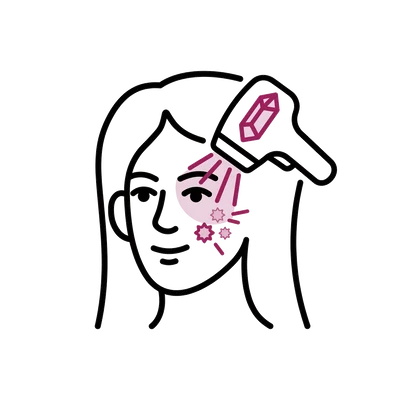
CO2 Fractional Laser in Thailand Your guide to cost, top surgeons & hospitals
CO2 fractional laser resurfaces the skin to soften acne scars, deep lines, and sun damage. It is one of the few aesthetic treatments with real downtime, and the results build over months rather than days.
What Is CO2 Fractional Laser?
Also known as: Laser Skin Resurfacing · Fractional CO2 Laser Resurfacing
CO2 fractional laser is an ablative resurfacing treatment. A carbon dioxide laser creates a grid of microscopic columns of controlled injury in the skin, which prompts it to shed the damaged surface and rebuild fresh collagen underneath2,3. The word "fractional" means the laser treats only a fraction of the surface at a time, leaving the skin in between untouched. Those intact bridges of skin are what let the area heal faster than older fully ablative lasers, which resurfaced everything at once.
This is one of the few aesthetic treatments with genuine downtime, and it is more honest to plan for that than to pretend it works like Botox. Expect five to seven days of redness, some swelling, then a bronzed look as the surface darkens and peels or crusts away, much like a sunburn shedding. The new skin underneath is the point of the treatment. Results then build over one to three months as collagen reforms, and continue improving for up to six months.
It is also a treatment where skin type matters. Darker skin tones carry a higher risk of post-inflammatory hyperpigmentation, where the treated area darkens as it heals. That risk is managed with more conservative settings and the right pre- and post-care, which is exactly why an experienced operator matters more than the machine. A good clinic assesses your skin first and sets the depth and density to suit it.
It can address a range of concerns, including:
Am I a Good Candidate for CO2 Fractional Laser?
CO2 laser suits most healthy adults bothered by acne scars, sun damage, or rough texture who can take a week of downtime, but it is not right for every skin type or concern. Here is what a good clinic assesses before treating you.
The best candidates have texture and scarring concerns rather than volume loss or sagging skin.
Acne scars: rolling and pitted acne scarring is the flagship use, often over a course of sessions.
Sun damage & texture: rough, weathered, sun-aged skin and uneven tone respond well.
Lines & scars: set-in fine lines and surgical or trauma scars can be softened and blended.
CO2 laser improves skin quality gradually, and understanding that is what separates happy patients from disappointed ones.
It resurfaces: so it works on texture, scarring, and tone, not on volume or sagging.
Results build slowly: the main change comes over one to three months, not in the first week.
It improves, not perfects: severe scarring softens rather than vanishes, often over a course.
This is the part to be honest about, because both factors shape whether the treatment is right for you.
Real downtime: expect five to seven days of redness and peeling, and plan around it.
Skin type matters: darker and pigment-prone skin needs conservative settings to lower the darkening risk.
Sun avoidance: strict during healing and diligent for months, or the result is undone.
A few situations mean CO2 laser should wait or be avoided.
General health: most healthy adults are suitable; mention any condition at consultation.
Not on isotretinoin: acne medication such as Roaccutane must be stopped well beforehand.
No active infection: a cold sore or skin infection at the site means waiting until it settles.
Around events: allow several weeks to months for redness to fade and results to build.
Who is not suitable for co2 fractional laser?
- Currently taking isotretinoin (such as Roaccutane) or recently stopped
- Pregnant or breastfeeding (treatment is deferred until afterwards)
- A recent suntan or active sunburn at the treatment site (raises the pigmentation risk; wait until the colour has fully faded)
- Immunocompromised, on chemotherapy, systemic steroids, or other immunosuppressants (higher infection and abnormal-healing risk)
- Active skin infection, acne flare, or cold sore at the treatment site
- Prone to keloid or hypertrophic scarring
- Unable to commit to sun avoidance and aftercare during healing
- Expecting a single session to erase deep scars, add volume, or lift sagging skin
Pricing
How Much Will CO2 Fractional Laser Cost in Thailand?
What co2 fractional laser costs at accredited hospitals in Thailand, and what your final quote depends on.
Get your exact price
Tell us what you're considering and we'll send a personalised quote from accredited clinics within 24 hours.
Get my free quoteTypical prices in Thailand
Typical ranges based on recent hospital quotes. Your exact price depends on the hospital and how complex your case is, and is confirmed at your teleconsultation.
CO2 Fractional Laser
What you pay tracks the size of the area and how deep the laser is set, and severe scarring may need two or three sessions rather than one.
| Small area, per session Around the eyes or a single scar, the smallest treatment | $200 to $400 ฿6,800 to ฿13,600 |
| Cheeks or partial face, per session One zone of the face rather than the whole surface | $300 to $600 ฿10,200 to ฿20,400 |
| Full-face resurfacing, per session The whole face resurfaced in one deeper session | $500 to $900 ฿17,000 to ฿30,600 |
Get your exact price
Tell us what you're considering and we'll send a personalised quote from accredited clinics within 24 hours.
Hospitals Trusted for CO2 Fractional Laser
From internationally accredited flagships to dedicated specialist hospitals, these are the kinds of facilities where international patients have this procedure.

Bumrungrad International Hospital
Southeast Asia's flagship private hospital, treating over 520,000 international patients a year.
View hospital profile
Kamol Cosmetic Hospital
The only specialist cosmetic surgery hospital in Thailand to hold JCI accreditation.
View hospital profile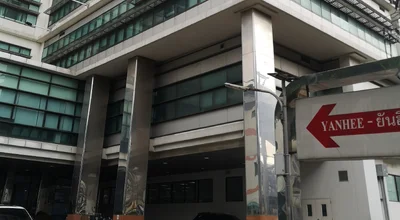
Yanhee International Hospital
A 400-bed hospital known worldwide for high-volume cosmetic surgery.
View hospital profile
Get a Free Quote in Two Minutes
Tell us what you're considering. We'll match you with suitable specialists and provide real hospital pricing.
- Honest pricing with no markups
- Matched to a specialist for your procedure
- No obligation, no pressure


Rated 5 stars by our patients
The complete guide to CO2 Fractional Laser in Thailand
Everything below is for readers who want the full detail: costs broken down, types and techniques, recovery, risks and safety, and planning your trip.
Where to Get CO2 Laser in Thailand
Choosing where to be treated comes down to judgement and aftercare rather than equipment, since most reputable clinics run comparable lasers. Here is what to look for when picking a clinic in Thailand.
Doctor-Led, Dermatology-Focused Clinics
The best results come from clinics where a dermatologist or doctor assesses your skin and oversees the treatment, rather than a technician working from a fixed setting. CO2 laser looks straightforward but is unforgiving if the depth and density are wrong for the skin, so a proper consultation and skin assessment before treatment is the standard to expect from any reputable clinic.
Experience With Your Skin Type
This is the question that matters most, especially for darker or pigment-prone skin. Ask how often the clinic treats skin like yours and how they adjust settings to lower the pigmentation risk. A clinic that is upfront about the trade-offs and conservative with pigment-prone skin is a far better choice than one that promises everyone the same aggressive result regardless of skin tone.
Clear Aftercare and Follow-Up
Because so much of a safe result depends on the healing phase, look for a clinic that gives you detailed aftercare, the right ointments, sun protection, and cold-sore prophylaxis if you need it, and that stays reachable while you heal. A coordinator who checks in during the peeling phase and arranges any follow-up session is part of what you are paying for, not an extra.
Typical CO2 Laser Results
CO2 laser results are real and often significant, but they are a gradual improvement rather than an overnight change, and they build over months. Here is what a realistic outcome looks like and how it develops.
What CO2 Laser Realistically Achieves
CO2 laser smooths texture, softens acne and other scars, fades sun damage, and eases set-in fine lines, leaving the skin fresher and more even. It does not lift sagging skin, replace lost volume, or erase deep scars completely3, and a single session improves rather than perfects severe scarring. The honest expectation is a noticeable, sometimes dramatic improvement in skin quality, not a flawless surface, and that improvement is what most people are genuinely pleased with.
How Results Develop Over Time
The fresher surface you see once peeling finishes is only the start; the deeper collagen remodelling that does the real work unfolds quietly over the months that follow. For acne scarring, each session adds to the last, so a course gives a better outcome than one pass. Sun protection afterwards is what preserves the result; without it, fresh sun damage simply undoes the work.
CO2 Laser Cost in Thailand
Average Cost of CO2 Laser
CO2 fractional laser in Thailand typically costs between $200 and $900 per session, depending on the area and the depth of treatment. A small area such as around the eyes or a single scar sits at the lower end, while a full-face deeper resurfacing sits at the top. Severe acne scarring that needs two or three sessions adds up across a course, so it is worth asking for the total expected rather than just the per-session price.
Per Area vs Full Face
Treating a small area such as the cheeks, around the mouth, or a single scar costs less than resurfacing the whole face. Some clinics price by named area, others by full-face session, and a few by the size of the zone treated. Either is fine as long as the clinic is clear what a quote covers and whether more than one session is likely, so you can compare like for like.
What Affects the Price?
The size of the area and the depth of treatment are the biggest factors, followed by the number of sessions your concern needs. The type of laser plays a part too, with deeper CO2 resurfacing usually priced above a lighter erbium or superficial pass. The largest variable that never shows on a price list is the operator: an experienced one charging more for properly matched settings is better value than the cheapest option, particularly on pigment-prone skin.
Thailand vs International Price Comparison
CO2 laser in Thailand costs considerably less than in the US ($1,000–$3,500 a session), Australia (A$1,200–A$4,000), and the UK (£800–£2,500), largely reflecting lower operating costs rather than weaker standards. Because the absolute saving on a session is meaningful, and because the treatment needs about a week of downtime anyway, CO2 laser fits the medical-tourism model better than quick treatments do. Many people plan it around a longer stay where the recovery time is built in.
CO2 Laser vs IPL and Gentler Resurfacing
CO2 fractional laser is one of several treatments aimed at skin quality, and they are not interchangeable. The right one depends on your concern and how much downtime you are willing to take. The simplest way to think about it is that the deeper the problem, the deeper the treatment needed, and the more downtime that involves.
CO2 laser is the deepest of the common options. It physically resurfaces the skin and rebuilds collagen, which is why it does more for acne scars, set-in lines, and significant sun damage than gentler treatments, and also why it has real downtime. IPL, by contrast, is a light treatment that targets pigment and redness near the surface. It evens out tone and fades sun spots and broken capillaries with little to no downtime, but it does not resurface texture or treat scars the way a laser does.
In short, if your concern is colour, brown spots, redness, and uneven tone, IPL is often the gentler, lower-downtime answer. If your concern is texture, scarring, deep lines, or rough sun-damaged skin, CO2 laser does more, in exchange for a week of healing. Many people use both over time for different concerns, and a good clinic will tell you honestly which your skin actually needs rather than selling the most expensive option.
What CO2 Laser Can Treat
The same laser does very different jobs depending on how deep and how densely it is set. Most people come for one main concern, but the treatment covers a broad range of texture and scarring problems.
Acne Scar Resurfacing
The flagship use of CO2 fractional laser, and where it tends to outperform gentler treatments. By resurfacing the skin and stimulating collagen in the floor of each scar, it softens rolling and pitted acne scars over time. Deeper or more extensive scarring usually needs more than one session, and results build gradually rather than appearing overnight.
- The strongest non-surgical option for many acne scars
- Softens rolling, boxcar, and pitted scarring over months
- Severe scarring may need two to three sessions
- Best for: settled acne scars where gentler treatments have stalled
Full-Face Rejuvenation & Anti-Ageing
Resurfacing the whole face to soften fine lines, smooth texture, tighten slightly, and refresh sun-aged skin. Often achievable in a single deeper session, with the trade-off being more downtime up front. The result is fresher, more even skin rather than a lifted or filled one, so it pairs well with treatments that add volume.
- Softens fine lines and refreshes weathered, sun-aged skin
- Often a single session, with more downtime in exchange
- Improves texture and tone rather than volume or sagging
- Best for: overall dullness, fine lines, and sun damage together
Pigmentation & Sun Damage
Targeting age spots, uneven tone, and the rough, weathered look of sun-aged skin. The laser removes the pigmented surface layer and encourages even, fresh skin to replace it. This is also the use where skin type matters most, because pigment-prone skin needs conservative settings to avoid darkening as it heals.
- Removes sun spots and evens out patchy tone
- Settings kept conservative on pigment-prone skin
- Often combined with strict sun avoidance for lasting results
- Best for: sun damage and uneven tone on suitable skin types
Scar Revision
Softening surgical, chickenpox, and trauma scars by resurfacing the scar and the skin around it so the two blend more evenly. It will not make a scar vanish, but it can flatten, smooth, and fade one noticeably. Older, settled scars respond better than fresh ones, and a course of sessions usually gives a better result than a single pass.
- Blends surgical, chickenpox, and trauma scars into surrounding skin
- Flattens and fades rather than erases
- Older, settled scars respond best
- Best for: visible scars that are mature and no longer changing
Deep vs Superficial Settings
Not a separate use so much as a choice of intensity. A deeper, denser pass gives a stronger result with more downtime, while a lighter, more superficial pass gives a gentler refresh with quicker healing. The right setting depends on your concern, your skin type, and how much downtime you can take, which is decided at assessment rather than booked off a menu.
- Deeper passes give stronger results but longer downtime
- Lighter passes refresh skin with quicker healing
- Matched to your concern, skin type, and downtime tolerance
- Why it matters: the right depth is decided at assessment, not booked off a menu
CO2 Laser Types & Approaches
There is more than one way to resurface skin, from fractional versus fully ablative to the choice between CO2 and erbium. Which approach fits comes down to your concern, your skin type, and the downtime you can take, all weighed up at assessment.
Fractional vs Fully Ablative
Fractional resurfacing treats a grid of tiny columns and leaves the skin in between intact, which speeds healing and lowers risk. Fully ablative resurfacing removes the entire surface layer for a more dramatic result, but with much longer downtime and higher risk, and it is rarely the right first choice today. Most CO2 treatment now is fractional for this reason.
- Fractional leaves intact skin between treated columns to heal faster
- Fully ablative is stronger but riskier with far longer downtime
- Fractional is the standard modern approach for most patients
- Why it matters: fully ablative is reserved for specific cases today
CO2 vs Erbium (Er:YAG)
CO2 and erbium are both ablative lasers, but erbium is gentler, with a shallower effect and less downtime. CO2 reaches deeper and stimulates more collagen, so it tends to do more for significant scarring and ageing, while erbium suits lighter resurfacing and more cautious skin types. A good clinic will advise which fits your concern rather than only offering one.
- CO2 reaches deeper and does more for scarring and ageing
- Erbium (Er:YAG) is gentler with less downtime
- Choice depends on your concern and skin type
- Why it matters: the laser should match the depth of the problem
Combined Fractional & Scar Approaches
For stubborn scarring, fractional laser is sometimes combined with other steps, such as subcision to release a tethered scar, or surgical revision of a raised scar, with laser used to refine the result. These combined plans are decided case by case and are a sign of a thorough clinic rather than a one-size-fits-all menu.
- Laser combined with subcision or surgical revision for tough scars
- Planned case by case rather than booked off a list
- Aims for a better result than laser alone on severe scarring
- Best for: deep or complex scarring assessed in person
An Experienced Operator
The single most important factor. The same laser can give a clean result or a complication depending on the depth, density, and settings chosen, and on whether those are matched to your skin type. This is doubly true for darker or pigment-prone skin, where conservative settings prevent post-treatment darkening. Ask who performs the treatment and how often they treat skin like yours.
- Settings and depth matter more than the brand of machine
- Conservative settings protect pigment-prone and darker skin
- Ask how often the operator treats your skin type
- Why it matters: this is what separates a good result from a complication
What to Expect After CO2 Laser
First 24–48 Hours
The treated skin feels hot and tight, much like a sunburn, and looks red and may swell. You keep it clean and moist with the ointment your clinic provides, avoid touching or picking, and stay strictly out of the sun. This is the most uncomfortable phase, but it is short and managed with simple aftercare rather than anything serious.
Days 3–7
The skin bronzes, darkens, and begins to peel or flake away as the old surface sheds and fresh skin appears underneath. It is important not to pick or rush this, as the new skin is delicate. Most of the visible peeling settles within five to seven days, which is why a stay of about a week makes sense rather than treating just before you fly.
Weeks 2–4
The surface has healed and any lingering pinkness fades. You can usually wear makeup again and return to normal life, while continuing diligent sun protection. The skin already looks fresher, but the deeper collagen rebuilding that gives the real result is still underway.
Months 1–6
The main result builds over the first one to three months as new collagen forms, smoothing texture and softening scars and lines, and continues improving for up to six months. For deeper scarring, a second or third session is planned once the skin has fully recovered from the last.
Can You Fly After CO2 Laser?
You can fly once the skin has settled, but not the day after a deeper treatment. The treated skin is raw and shedding for the first several days and needs to be kept clean, moist, and out of the sun, so it is far better to stay put while it peels. Plan the treatment for the start of a longer stay, or near the end with enough days left for the worst of the peeling to pass before you travel.
When Can You Exercise and Wear Makeup?
Avoid heavy exercise, swimming, saunas, and anything that makes you sweat heavily for about a week, as heat and friction irritate healing skin and raise the infection risk. Makeup is best left off until the skin has finished peeling and the surface has closed over, usually around five to seven days, after which a gentle mineral makeup is fine once your clinic confirms you are healed.
When Will You See the Full Result?
The fresh, smoother surface shows once the peeling finishes in the first week, but that is not the full result. The real improvement, in texture, scarring, and lines, builds as new collagen forms over the following one to three months, and continues for up to six months. For acne scarring in particular, judge the outcome over months and after any planned follow-up sessions, not in the first week.
Does CO2 Laser Hurt?
CO2 laser is not painless, but it is well managed. For most treatments a topical numbing cream is applied for around thirty to sixty minutes beforehand, which makes the procedure tolerable, often described as a hot, prickling sensation. For deeper or more extensive work, a nerve block or local anaesthetic injection may be used so the area is properly numb.
During the treatment itself the laser passes over the skin in a controlled grid, and most clinics use cooling air or a chilled device alongside it to keep you comfortable. The session usually takes thirty to sixty minutes depending on the area and depth.
The discomfort to plan for is mostly afterwards rather than during. For the first day or two the skin feels hot and tight, like a strong sunburn, which is eased with the ointment and simple pain relief your clinic recommends. That settles quickly, and by the time the skin is peeling it is more itchy and dry than painful.
Risks and Safety of CO2 Laser
CO2 laser is a well-established treatment with a good safety record in experienced hands, but because it is ablative it carries more real risk than gentler aesthetic treatments. Most issues are avoidable with the right settings for your skin type and diligent aftercare.
- Prolonged redness that can linger for weeks and, after aggressive full-face resurfacing, sometimes persist for up to six months before fully fading (more common with deeper settings)1
- Milia, small white keratin cysts that can form under the healing crust during recovery (common and usually settle or are easily cleared)
- Post-inflammatory hyperpigmentation, where treated skin darkens as it heals (higher risk on darker skin)1,2
- Infection if the healing skin is not kept clean and protected
- Reactivation of cold sores, which is why prophylactic antivirals are given to those prone1
- Temporary itching, dryness, and flaking during the peeling phase (expected, not a complication)
- Loss of pigment leaving a lighter patch (uncommon, more likely with aggressive settings)
- Scarring, which is rare but more likely if aftercare is poor or settings are too aggressive1,2
The serious risks almost all trace back to two things: settings that are too aggressive for the skin type, and poor aftercare during healing. Both are largely controllable. Choose an experienced operator who assesses your skin type and sets the laser conservatively, follow the aftercare and sun avoidance exactly, and the great majority of people heal well with no lasting problem.
Is CO2 Laser Safe in Thailand?
Yes, when you choose an experienced operator who assesses your skin type and sets the laser appropriately. The technology is the same as at home, and the difference between a safe treatment and a risky one comes down to settings, skin-type matching, and aftercare rather than location. Reputable Thai clinics assess your skin first, give you clear aftercare, and provide cold-sore prophylaxis if you are prone, which is exactly the standard to look for.
Does Skin Type Change My Risk?
Yes, and it is important to be honest about this. Darker and pigment-prone skin tones carry a higher risk of post-inflammatory hyperpigmentation, where the treated area darkens as it heals. That risk is managed, not ignored, with more conservative settings, careful pre-treatment, and strict sun avoidance afterwards. Choose a clinic that treats your skin type regularly and is upfront about the trade-offs rather than one that promises the same aggressive result for everyone.
What If You Don't Like the Result?
CO2 laser results build slowly, so it is important not to judge too early. Lingering redness and uneven tone in the first weeks usually settle as the skin matures over months. If a real concern such as prolonged pigment change appears, it is often treatable, and your clinic should advise on next steps. Starting with conservative settings and a single session, rather than the most aggressive option, is the sensible way to keep that margin of safety.
Fitting CO2 Laser Into Your Trip to Thailand
Unlike most aesthetic treatments, CO2 laser has real downtime, so it shapes how you plan your trip rather than slotting in around it. Here is how to fit it in sensibly.
Plan for the Downtime
The peeling phase is the part that shapes your itinerary, so treat it as a fixed block rather than something to squeeze around sightseeing. Book the treatment near the front of your stay, keep that week light, indoors, and shaded, and you free up the rest of the trip once the surface has settled. This is the main way CO2 laser differs from quick treatments like Botox.
Combining It With Other Treatments
CO2 laser is often part of a broader skin plan. It pairs well with treatments that add what resurfacing cannot, such as injectables for volume or other devices for tightening, though these are usually sequenced on separate visits so the skin is not overloaded while healing. Your clinic will plan the order so nothing interferes with the laser's recovery.
Timing Around an Event
Never have CO2 laser close to a wedding, holiday, or any occasion where you want to look your best. The redness and peeling take a week, and the full result takes months to build, so leave a clear margin. For an important event, plan the treatment several weeks to a few months ahead, so the skin has fully settled and the result has had time to develop.
Related Procedures
Other procedures that address similar goals or conditions, in case one of them is a closer fit for you.
Planning your treatment in Thailand
Independent guides to help you weigh the decision, before you commit to anything.
Common Questions About CO2 Laser
Everything you need to know before your treatment

Medical References
Keep researching with AI
Open this guide in your AI assistant to dig deeper and ask the questions it didn't answer.
Opens in a new tab with this guide already loaded.
Medical disclaimer: This information is for educational purposes only and does not replace professional medical advice. Individual results, recovery times, and suitability vary. Always consult a qualified surgeon before making decisions about treatment.
Ready to Get Started?
Speak with our care coordinators for a free, no-obligation consultation and personalised quote.
Speak to Our Team