Arm Lift in Thailand Your guide to cost, top surgeons & hospitals
Brachioplasty is a straightforward trade, a scar along the inner arm for upper arms that finally match the rest of your body.
What Is Arm Lift?
Also known as: Arm Tightening · Brachioplasty
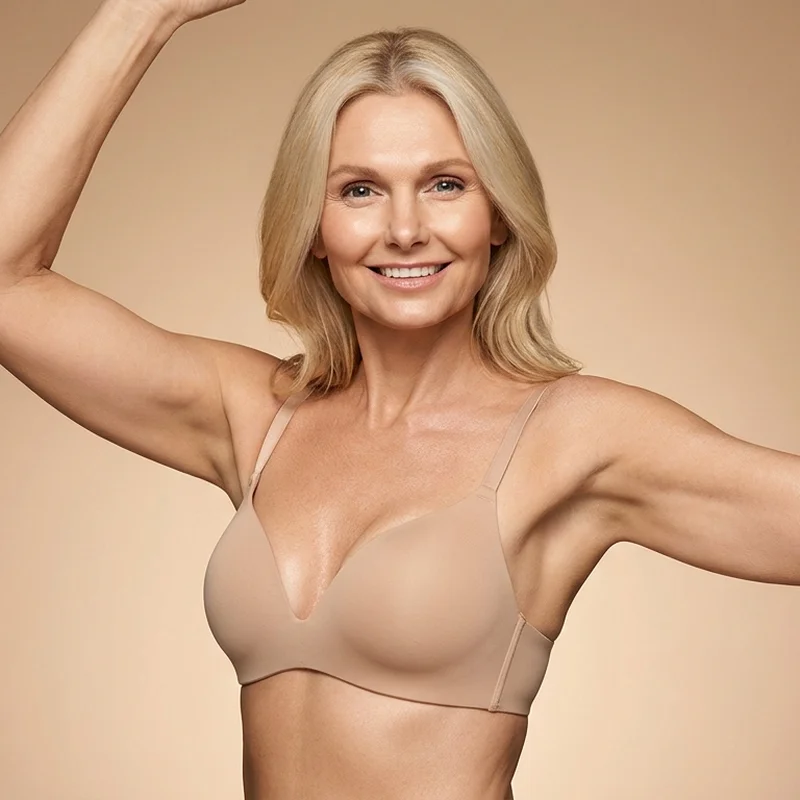
An arm lift, or brachioplasty, is surgery that reshapes the upper arm by removing excess skin and fat through an incision along the inner arm. It tightens the loose, hanging skin that follows major weight loss or comes with age, the kind that stays put no matter how much you exercise, because once skin stretches past its elastic limit it cannot shrink back. It is usually done under general anaesthesia in about 2 to 3 hours, and the removed skin does not return. Where stubborn fat is also present, liposuction can be combined in the same operation.
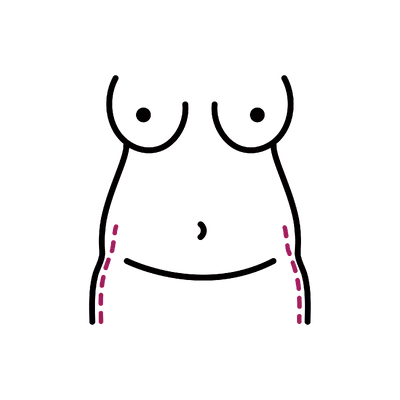
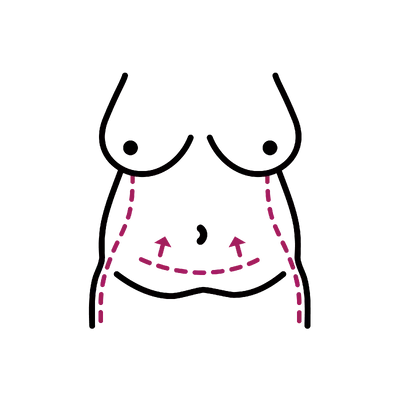
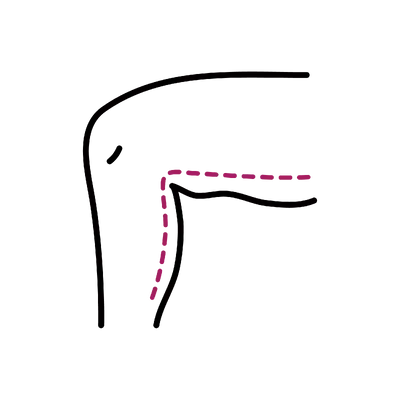
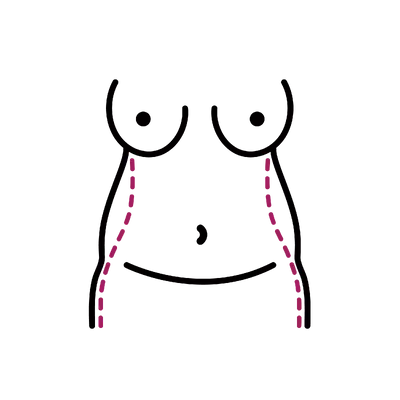
The scar is the honest trade for the new shape, so it helps to know where it sits before you decide. It runs along the inner arm from the armpit toward the elbow, and how far it extends depends on how much skin needs to come out.
Results vary with the amount of tissue removed. Mild looseness near the armpit may suit a shorter incision; after significant weight loss, most people need the full-length approach. A consultation is where your surgeon examines your skin and tells you honestly which one fits.
It can address a range of concerns, including:
Am I a Good Candidate for Arm Lift?
Brachioplasty is a deliberate trade, a scar for a contour, and surgeons assess whether you are positioned to come out ahead.
The procedure corrects structural skin excess, the kind exercise cannot touch.
Hanging skin: loose upper-arm skin that persists after weight loss; once skin stretches past its elastic limit, nothing non-surgical tightens it back.
Age-related laxity: visible sagging when the arms are extended or raised.
Chafing: skin irritation in the underarm fold, a practical problem as much as a cosmetic one.
Clothing fit: difficulty wearing fitted sleeves comfortably, which the surgery resolves permanently.
Skin removal only holds its result if your weight has finished moving.
Stable for three months or more: candidates are at or near their stable target weight before surgery is planned.
Post-bariatric patients: need to finish losing before contouring, since further weight changes affect skin tone and the final result.
Protecting the outcome: the removed skin does not come back, but significant weight gain afterwards can stretch what remains.
The inner-arm scar is the main trade-off, and a full brachioplasty cannot avoid it.
Visible placement: the scar runs from the armpit toward the elbow along the inner surface, where it is less exposed but still visible.
12-18 months to fade: it starts pink and raised, then flattens to a pale line; silicone tape helps it along.
Scarring history: a history of keloid or hypertrophic scarring is a specific caution flag worth raising early.
Shorter options exist: genuinely mild laxity near the armpit may suit a mini incision hidden in the crease instead.
The long inner-arm incision places a high demand on wound healing.
Non-smoker: nicotine compromises healing along this incision more than almost any other factor; four weeks off is the minimum.
Diabetes control: poorly controlled diabetes significantly increases the risk of wound separation along the incision line.
Axillary node history: previous lymph node clearance or sentinel node biopsy near the armpit, for example during breast cancer treatment, raises the risk of arm lymphoedema and needs careful discussion before brachioplasty.
General health: candidates are in good overall health with no uncontrolled medical conditions.
Who is not suitable for arm lift?
- Unwilling to accept a visible inner-arm scar
- Weight not yet stable after weight loss or bariatric surgery
- History of keloid or hypertrophic scarring
- Smokers unwilling to stop at least four weeks before surgery
- Poorly controlled diabetes
- Significant uncontrolled heart or lung disease, or otherwise not medically fit for general anaesthesia
- Prior axillary lymph node dissection or existing arm lymphoedema (for example after breast cancer surgery), which makes brachioplasty near the armpit higher risk and warrants careful specialist review
Pricing
How Much Will Arm Lift Cost in Thailand?
What arm lift costs at accredited hospitals in Thailand, and what your final quote depends on.
Get your exact price
Tell us what you're considering and we'll send a personalised quote from accredited hospitals within 24 hours.
Get my free quoteTypical prices in Thailand
Typical ranges based on recent hospital quotes. Your exact price depends on the hospital and how complex your case is, and is confirmed at your teleconsultation.
Arm Lift
An arm lift removes loose skin and fat from the upper arm through an incision along the inner arm, tightening arms that stay slack after weight loss or ageing.
| Standard brachioplasty Full inner-arm excision from armpit to elbow, for moderate to severe skin excess after weight loss | $3,200 to $4,200 ฿108,800 to ฿142,800 |
| Mini brachioplasty A short scar hidden in the armpit crease when laxity is mild | $2,500 to $3,200 ฿85,000 to ฿108,800 |
| Extended brachioplasty Carries on past the arm to tighten the side of the chest | $4,200 to $5,000 ฿142,800 to ฿170,000 |
Added to the above where needed
| Liposuction added to the arm lift Removes fat as well as skin, priced by how much is taken | $800 to $1,500 ฿27,200 to ฿51,000 |
Get your exact price
Tell us what you're considering and we'll send a personalised quote from accredited hospitals within 24 hours.
Hospitals Trusted for Arm Lift
From internationally accredited flagships to dedicated specialist hospitals, these are the kinds of facilities where international patients have this procedure.
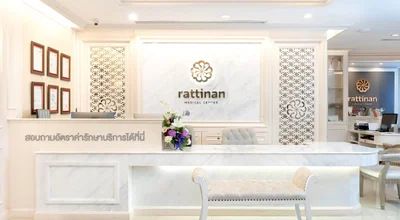
Rattinan Clinic
A specialist body contouring clinic in central Bangkok with over 14,000 BodyTite treatments performed.
View hospital profile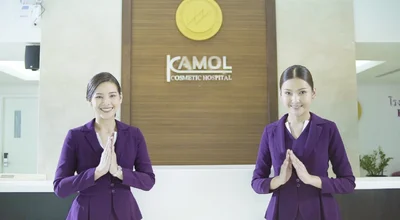
Kamol Cosmetic Hospital
The only specialist cosmetic surgery hospital in Thailand to hold JCI accreditation.
View hospital profile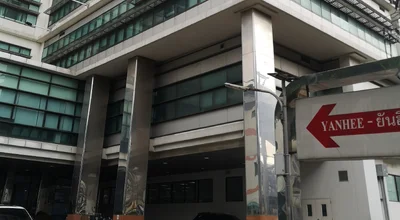
Yanhee International Hospital
A 400-bed hospital known worldwide for high-volume cosmetic surgery.
View hospital profile
Get a Free Quote in Two Minutes
Tell us what you're considering. We'll match you with suitable specialists and provide real hospital pricing.
- Honest pricing with no markups
- Matched to a specialist for your procedure
- No obligation, no pressure


Rated 5 stars by our patients
The complete guide to Arm Lift in Thailand
Everything below is for readers who want the full detail: costs broken down, types and techniques, recovery, risks and safety, and planning your trip.
Arm Lift Surgeons & Clinics in Thailand
For brachioplasty, the surgeon's experience with scar management and post-bariatric body contouring matters as much as the surgery itself. Here is what to look for.
Leading Hospitals in Bangkok
Our partner hospitals have dedicated plastic surgery departments with operating theatres equipped for body contouring procedures. These are full-scale hospitals, not day clinics, which means they handle any complications in-house without needing to transfer patients.
Experienced Brachioplasty Surgeons
Our partner surgeons are certified by the Thai Board of Plastic and Reconstructive Surgery. Several have completed international fellowships and returned to Thailand where the surgical volume is higher. For arm lifts specifically, post-bariatric contouring experience is the most relevant credential, it means they have dealt with the full spectrum of skin laxity and know how to plan incisions for the best long-term scar outcome.
What We Look for in a Surgeon
When we match you to a surgeon, we look at before-and-after photos specifically of brachioplasty patients, not just general body contouring cases, and at scar quality at the 12-month mark rather than only the immediate post-op result. A good brachioplasty surgeon talks honestly about where the scar sits, how long it will be, and what it will look like once mature. During your consultation, you should expect the same candid scar conversation, and your coordinator can flag anything you want clarified.
Understanding Your Results
Arm lift results are permanent, but the scar is part of the visible outcome. Here is what to expect in terms of shape improvement and scar progression.
Typical Arm Lift Results
The hanging skin is gone and the upper arm contour is visibly tighter and more defined. Most patients describe the difference as dramatic, fitted sleeves and sleeveless tops become options again. The scar is the trade-off. At 3 months it is still pink and visible. By 12–18 months it fades to a pale line that sits along the inner arm where it is less exposed.
What Results Can You Expect?
The degree of improvement depends on how much tissue is removed. Post-bariatric patients with significant laxity see the most dramatic change. If your laxity is mild, the improvement is real but more subtle. Your surgeon will show you clinical photos during consultation and explain what is achievable with your specific anatomy and skin quality.
Arm Lift Cost in Thailand
Average Cost of Arm Lift Surgery
Brachioplasty in Thailand typically costs between $2,500 and $5,000, depending on the extent of surgery, whether liposuction is included, and the hospital. A standard bilateral arm lift sits in the middle of that range. Extended brachioplasty that addresses the lateral chest costs more.
Cost Breakdown
The surgeon's fee accounts for the largest portion. Hospital and operating theatre fees cover the facility, equipment, and nursing. Anaesthesia fees are separate. Aftercare costs cover compression garments, follow-up visits, and medications. Everything should be itemised clearly in your quote.
What Affects the Price?
The main variables are the extent of excision, whether liposuction is combined, and surgeon experience. A mini brachioplasty costs less than a full-length procedure. Adding liposuction increases the fee because it adds theatre time and equipment. Extended brachioplasty involving the chest wall is the most expensive variant.
Thailand vs International Price Comparison
Arm lift surgery in Thailand costs 40–60% less than equivalent procedures in the US ($7,000–$12,500), Australia (A$6,500–A$11,300), and the UK (£5,500–£9,500). The savings come from Thailand's lower operating costs, not a difference in surgical quality. Our partner hospitals hold JCI accreditation and our partner surgeons are certified by the Thai Board of Plastic and Reconstructive Surgery.
Surgical vs Non-Surgical Arm Tightening
If your concern is mild and your skin still has decent elasticity, non-surgical options can help. Radiofrequency or ultrasound skin-tightening devices heat the deeper layers to stimulate collagen and firm the surface slightly over a course of sessions, while fat freezing or fat-dissolving injections reduce a small amount of upper-arm fat. For someone with good skin tone and only a little softness, these can take the edge off without a scar.
The honest limit is that none of them remove skin. Once skin has stretched past its elastic limit, the kind of hanging laxity that follows major weight loss or comes with age, tightening devices cannot retract it and fat reduction only makes loose skin hang more. The results are modest, they fade as collagen turnover continues, and they need repeat sessions to maintain, so they are not a substitute for excision when there is genuine excess skin.
When the looseness is real and exercise has not touched it, brachioplasty is the route that actually removes the skin and reshapes the arm, and the removed skin does not return. That trade, a scar along the inner arm for a lasting contour, is what the rest of this page covers.
Types of Arm Lift
The type of brachioplasty depends on how far the laxity extends and how much tissue needs removing. A surgeon who jumps straight to a full-length incision when a shorter one would do is not doing you a favour.
Mini Brachioplasty
A shorter incision hidden in the armpit crease, suitable when laxity is limited to the upper portion of the arm near the shoulder. Less scar, faster recovery, but only works when the sagging is genuinely minor. Not appropriate for post-bariatric patients.
- Scar concealed within the armpit fold
- Shorter operating time and quicker healing
- Only suitable for mild laxity concentrated near the armpit
- Best for: patients with localised upper-arm looseness, not full-length sagging
Standard Brachioplasty
The most common approach. An incision from armpit to elbow along the inner arm removes a wedge of excess skin and fat. This is the procedure most post-weight-loss patients need. The scar is visible but sits on the inner surface where it is less exposed.
- Removes moderate to significant skin and fat from the full upper arm
- Scar positioned along the inner arm, visible but fades over 12–18 months
- Muscle and fascial tightening can be included where needed
- Best for: moderate to severe arm laxity, the majority of brachioplasty candidates
Extended Brachioplasty
For patients whose laxity continues from the arm into the lateral chest wall. The incision extends past the armpit to address side-chest rolls. Common after massive weight loss where skin excess wraps around from arm to torso. Sometimes staged with other body contouring.
- Addresses arm and lateral chest laxity in one operation
- Incision extends from elbow through armpit onto the chest wall
- More extensive surgery with longer recovery than standard brachioplasty
- Best for: post-bariatric patients with laxity extending from arm to chest
Arm Lift Techniques
Technique is mostly driven by how much tissue comes out and whether fat removal is part of the plan. Surgeons here are comfortable with all three approaches.
Excision-Only Brachioplasty
Skin and subcutaneous tissue are removed directly through the incision. Straightforward and predictable. This is the standard approach when the main issue is skin excess with minimal underlying fat. Produces a clean contour but relies on the skin being the primary problem.
- Direct removal of excess skin along the inner arm
- No additional equipment needed beyond standard surgical instruments
- Fastest operating time of the three approaches
- Best for: patients whose main issue is loose skin rather than fat deposits
Liposuction-Assisted Brachioplasty
Combines liposuction with skin excision when there is significant fat alongside the skin excess. The liposuction is done first to thin the arm, then the skin is excised. This produces a more defined result but adds operating time and extends bruising slightly.
- Fat reduction and skin removal in one session
- Better arm definition than excision alone when fat is present
- Slightly longer recovery due to combined tissue trauma
- Best for: patients with both excess skin and stubborn upper-arm fat
Minimal-Incision Arm Lift with Liposuction
For patients with good skin elasticity but excess fat, liposuction alone or with a very short incision may be enough. The skin retracts naturally after fat removal. This avoids the long scar but only works in select cases, skin quality has to be excellent.
- Minimal scarring, short incision or liposuction ports only
- Relies on skin elasticity to retract after fat removal
- Not suitable for significant skin laxity or post-weight-loss patients
- Best for: younger patients with good skin tone and localised fat excess
VASER (Ultrasound-Assisted) Liposuction
Where fat is part of the picture, some surgeons use VASER, an ultrasound-assisted liposuction technology that loosens fat with sound energy before it is removed. The arm is a relatively delicate, fibrous area, and the gentler emulsification can mean less bruising and a smoother, more even contour than traditional liposuction. It is used as the fat-removal step alongside skin excision, not as a standalone arm lift, and is not offered at every hospital.
- Ultrasound energy loosens fat before removal for a smoother, more even result
- Often less bruising than traditional suction liposuction in the arm
- Used as the liposuction step within a combined arm lift, not on its own
- Best for: patients having liposuction-assisted brachioplasty who want a refined contour
Arm Lift Recovery Timeline
Week 1
Arms feel tight and swollen with bruising along the inner surface. Keep your arms elevated when resting. You will wear compression sleeves and avoid lifting anything heavier than a glass of water. Daily check-ins with your coordinator monitor healing progress.
Weeks 2–3
Bruising fades and swelling reduces noticeably. Most patients manage daily activities and feel comfortable enough for short outings. Desk work can resume. Stitches are removed or dissolve during this period. Avoid reaching overhead or carrying bags.
Weeks 4–6
You can gradually return to light exercise, walking, lower-body workouts. Upper-body lifting and gym work should wait until week 6 at the earliest. Scars are pink and raised but beginning to flatten. The improvement in arm contour is clearly visible.
Months 3–12
Scars continue to mature and fade toward pale, flat lines. Final arm shape is apparent by month 3 for most patients, with scars continuing to improve for up to 18 months. Arm strength and range of motion return to normal.
How Recovery Differs by Technique
The timeline above reflects a standard full-length brachioplasty. A mini brachioplasty, with its short incision in the armpit crease, runs faster across every milestone: swelling and bruising settle within the first 1–2 weeks, desk work often resumes within a few days, and upper-body movement frees up sooner, though the overall 4–6 week recovery window and the 10–14 day stay in Thailand stay the same so your sutures can be checked before you fly. An extended brachioplasty, which carries the incision onto the lateral chest, is the slowest: expect more swelling, a longer wait before reaching and lifting feel comfortable, and gym work closer to the back end of the 4–6 week range. Whichever technique you have, light walking starts from day one and overhead lifting waits until around week 6.
When Can You Fly After an Arm Lift?
Most patients can fly home after 10 days, once sutures have been checked and your surgeon confirms the incisions are healing cleanly. Cabin pressure is not a concern for arm surgery. Keep your compression sleeves on during the flight and avoid lifting luggage, let someone else handle the bags.
When Can You Return to Work and Exercise?
Desk work typically resumes at 7–10 days. The limiting factor is arm movement, anything involving reaching, lifting, or pulling should wait until at least week 4. Upper-body gym work, swimming, and contact sports are cleared around week 6. Most patients report full return to normal activity by week 8.
When Will You See Final Results?
You will see a clear improvement in arm shape as soon as the bandages come off, but swelling masks the final contour. By week 6, the shape is largely defined. Scars are the last thing to settle, they start pink and raised, then gradually flatten and pale over 12–18 months. Silicone scar tape can speed this along.
Anaesthesia for Arm Lift Surgery
Brachioplasty in Thailand is performed under general anaesthesia, so you are fully asleep and feel nothing1 for the two to three hours the surgery takes. Because the incision runs the length of the inner arm and liposuction is often combined in the same session, being fully under keeps you still and comfortable while the surgeon works on both arms. A consultant anaesthetist stays with you throughout and monitors you continuously, which is standard at the accredited hospitals we work with.
Before you are cleared for anaesthesia you have a pre-operative assessment, including blood tests and a review of any medications you take and your weight history, since stable weight matters for both the result and a safe operation. This is also where any history of bleeding problems or reactions to anaesthesia is picked up. If your plan combines the arm lift with another procedure, such as a breast lift, your surgeon and anaesthetist confirm the total operating time stays within safe limits for a single anaesthetic.
You feel nothing during surgery. When you wake, the arms feel tight and sore along the inner surface rather than sharply painful, and that discomfort is mild and well controlled with the medication your surgeon prescribes. The bigger limitation in the first week tends to be restricted arm movement rather than pain.
Risks and Safety of Arm Lift Surgery
Brachioplasty is a straightforward procedure with a well-understood risk profile. The main concern is scarring, every other complication is uncommon when the surgery is done properly.
- Visible inner-arm scar, this is inherent to the procedure and will not disappear completely, though it fades significantly1
- Wound separation along the incision (more common in smokers or diabetics)
- Infection at the incision site (rare with proper wound care)
- Haematoma or seroma requiring drainage1,2
The biggest variable is scar quality, and that depends on genetics, wound care, and whether you smoke. Your surgeon will discuss scar placement options specific to your anatomy and explain what you can do post-operatively to optimise healing. If you have a history of keloid or hypertrophic scarring, mention it early.
Is Arm Lift Surgery Safe in Thailand?
Yes. Brachioplasty is a routine procedure at JCI-accredited hospitals in Thailand, performed under structured safety protocols. Our partner surgeons are board-certified by the Thai Board of Plastic and Reconstructive Surgery, and the hospitals we work with run high case volumes in body contouring.
How to Reduce Your Risk
Choose a JCI-accredited hospital and a surgeon with specific brachioplasty experience. Stop smoking at least four weeks before surgery, nicotine compromises wound healing along the long inner-arm incision more than almost any other factor. Follow compression garment instructions precisely, and attend all follow-up appointments before flying home.
When Is Revision Surgery Needed?
Revision is uncommon for arm lifts. It is most often considered for scar widening, asymmetry, or residual skin laxity if the initial excision was too conservative. If you are unhappy with scar quality, non-surgical options like laser treatment or steroid injections are tried first. Surgical revision, if needed, is usually a simpler procedure than the original.
Planning Your Trip to Thailand for Arm Lift Surgery
Arm lift recovery is manageable enough that most patients are cleared to fly within 10 days. Here is how to structure your trip.
How Long to Stay in Thailand
Plan for a minimum of 10 days. The first 1–2 days cover consultation and pre-operative assessment. Surgery is followed by one night in hospital. The remaining days are recovery with follow-up appointments at days 3 and 7. Your surgeon checks the incisions before clearing you to fly.
What's Included in a Medical Trip
Your coordinator handles hospital bookings, surgery scheduling, and all follow-up appointments. A typical surgical quote covers surgeon fees, anaesthesia, hospital stay, compression garments, and aftercare medications, though exact inclusions are set by the clinic and confirmed in writing in your quote. Flights and hotels are arranged separately, but your coordinator recommends nearby accommodation and helps with logistics.
Recovery in Bangkok vs Phuket
Bangkok is the practical choice for brachioplasty. Follow-up appointments happen in the first week, and staying close to the hospital means your surgical team is accessible if anything unexpected comes up. Some patients relocate to Phuket after the week-1 check, but for a 10-day trip there is not much point in moving.
Related Procedures
Other procedures that address similar goals or conditions, in case one of them is a closer fit for you.
Planning your treatment in Thailand
Independent guides to help you weigh the decision, before you commit to anything.
Common Questions About Arm Lift
Everything you need to know before your procedure

Medical References
Keep researching with AI
Open this guide in your AI assistant to dig deeper and ask the questions it didn't answer.
Opens in a new tab with this guide already loaded.
Medical disclaimer: This information is for educational purposes only and does not replace professional medical advice. Individual results, recovery times, and suitability vary. Always consult a qualified surgeon before making decisions about treatment.
Ready to Get Started?
No-obligation consultation and quote within 24 hours. Speak with a coordinator who can match you to the right surgeon and hospital.
Speak to Our Team