Buccal Fat Removal in Thailand Your guide to cost, top surgeons & hospitals
Defined cheekbones change the geometry of your whole face, buccal fat removal is one of the simplest ways to get there.

What Is Buccal Fat Removal?
Also known as: Cheek Slimming · Buccal Lipectomy (Bichectomy)
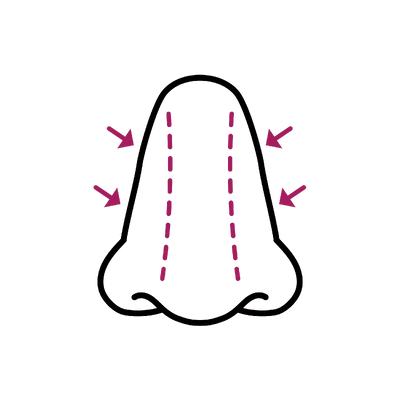
Buccal fat removal is surgery that slims the lower face by taking out part or all of the buccal fat pads, the rounded pads of fat sitting between each cheekbone and the jaw. Reducing them lets the cheekbones and jawline show through more clearly for a more contoured midface. It works through a small incision inside the mouth, so there are no external cuts or visible scarring1, and the change is lasting because the pads do not grow back. It is short, usually 30 to 60 minutes, often under local anaesthesia with sedation, and most people go home the same day.
The result depends heavily on your own face, so careful patient selection matters here. Faces naturally lose fat with age, and removing buccal fat from someone already lean can lead to a hollow look over time.
For that reason a good surgeon will sometimes advise against it, or remove only a little, and that honesty is a sign you are in the right hands. The strongest candidates tend to be younger people with genuine fullness in the lower cheeks. A proper assessment at consultation tells you where you stand.
It can address a range of concerns, including:
Am I a Good Candidate for Buccal Fat Removal?
Buccal fat removal succeeds or fails at patient selection, so surgeons assess your fullness, your ageing trajectory, and your reasons with unusual care.
Good candidates have lower-cheek fullness that genuinely comes from the buccal fat pads.
Masked cheekbones: persistent lower-cheek fullness hiding the cheekbone line is the core indication.
Diet-resistant roundness: a round or wide face that does not respond to weight loss points to structural fat rather than general weight.
Bottom-heavy proportions: a midface that feels undefined or bottom-heavy can be rebalanced by reducing the pads.
V-shape goals: a more contoured, V-shaped lower face is achievable, particularly when combined with jaw or chin work.
The first diagnostic question is whether the fullness is actually buccal fat, because removing it fixes nothing else.
Fat vs laxity: candidates need genuine buccal fat excess rather than soft-tissue laxity; the two can look similar but need different treatment.
Unsure cases: if you cannot tell which you have, that question must be answered at assessment before anything is planned.
Stable weight: fullness should persist regardless of diet, with stable body weight confirming it is structural rather than weight-related.
Judgement over technique: in a technically simple procedure, the surgeon's judgement about who suits it and how much to remove is the skill that matters most.
Faces thin naturally with age, so the surgeon must assess not just your face today but where it is heading.
Ideal window: the strongest candidates are typically in their 20s and 30s; over 35, candidacy depends on whether midface volume loss has begun.
Over-35 caution: if natural midface volume loss has already started, removal can accelerate a hollow, gaunt look.
Already lean: a slim or narrow face is a reason to decline, since further hollowing would age you faster.
Decade-ahead test: a good surgeon assesses how your face is likely to change over the next ten years before agreeing to operate.
Because the change is irreversible, surgeons probe why you want it as carefully as whether you suit it.
Not a photo: seeking a result based on someone else's photo rather than your own bone structure is an explicit warning sign.
Irreversible: the fat pads do not regenerate; over-correction can only be addressed with fat grafting later.
Conservative bias: partial removal preserves deeper volume and a margin of error, and is often the recommendation for moderate fullness.
Willing to be declined: the right surgeon refuses weak candidates, so treat a quick yes from any clinic as a red flag.
Who is not suitable for buccal fat removal?
- Already lean or narrow faces where hollowing would age them
- Over 35 with midface volume loss already underway
- Fullness caused by soft-tissue laxity rather than buccal fat
- Chasing a photo result rather than their own bone structure
- Unstable body weight
- Smokers unwilling to stop three weeks before surgery
- Unwilling to accept an irreversible, conservatively judged result
Pricing
How Much Will Buccal Fat Removal Cost in Thailand?
What buccal fat removal costs at accredited hospitals in Thailand, and what your final quote depends on.
Get your exact price
Tell us what you're considering and we'll send a personalised quote from accredited hospitals within 24 hours.
Get my free quoteTypical prices in Thailand
Typical ranges based on recent hospital quotes. Your exact price depends on the hospital and how complex your case is, and is confirmed at your teleconsultation.
Buccal Fat Removal
Most of the difference here comes down to the anaesthetic and whether anything else is done at the same time.
| Buccal fat removal under local anaesthetic The usual standalone option, in and out the same day | $1,500 to $2,000 ฿51,000 to ฿68,000 |
| Buccal fat removal under general anaesthetic Fully asleep, chosen if you would rather not be awake | $2,000 to $2,500 ฿68,000 to ฿85,000 |
| With chin augmentation Reshapes the midface and the jawline in one operation | $3,000 to $4,500 ฿102,000 to ฿153,000 |
| With jaw reduction Slims the cheeks and the jaw angle together | $4,500 to $7,000 ฿153,000 to ฿238,000 |
Get your exact price
Tell us what you're considering and we'll send a personalised quote from accredited hospitals within 24 hours.
Hospitals Trusted for Buccal Fat Removal
From internationally accredited flagships to dedicated specialist hospitals, these are the kinds of facilities where international patients have this procedure.

Masterpiece Hospital
A cosmetic surgery specialty hospital in Bangkok focused on facial contouring, rhinoplasty and eyelid work.
View hospital profile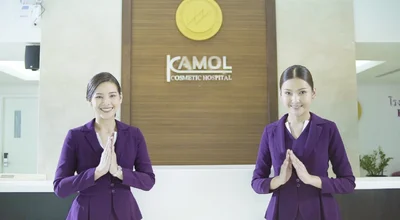
Kamol Cosmetic Hospital
The only specialist cosmetic surgery hospital in Thailand to hold JCI accreditation.
View hospital profile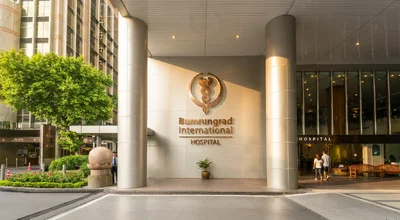
Bumrungrad International Hospital
Southeast Asia's flagship private hospital, treating over 520,000 international patients a year.
View hospital profile
Get a Free Quote in Two Minutes
Tell us what you're considering. We'll match you with suitable specialists and provide real hospital pricing.
- Honest pricing with no markups
- Matched to a specialist for your procedure
- No obligation, no pressure


Rated 5 stars by our patients
The complete guide to Buccal Fat Removal in Thailand
Everything below is for readers who want the full detail: costs broken down, types and techniques, recovery, risks and safety, and planning your trip.
Buccal Fat Removal Surgeons & Clinics in Thailand
With a procedure this simple, the surgical skill that matters most is not technical dexterity, it is judgment about who should have it done and how much to take out.
Leading Hospitals in Bangkok
Our partner hospitals are JCI-accredited and handle a high volume of facial contouring procedures. Buccal fat removal is typically performed in a day-surgery unit with full monitoring, even though the procedure itself is short. These are leading Bangkok hospitals with the capacity to manage any complication in-house, which matters even for minor procedures.
Experienced Facial Contouring Surgeons
Our partner surgeons are certified by the Thai Board of Plastic and Reconstructive Surgery. Many have additional training in Asian facial contouring, including fellowships in South Korea where V-line surgery and buccal fat removal are among the most commonly performed cosmetic procedures. That background gives them a well-calibrated eye for how much volume to remove from different face shapes and skin types.
What to Look for in a Surgeon
Board certification is the baseline. Beyond that, ask specifically about their approach to patient selection. A surgeon who performs buccal fat removal on everyone who asks is a red flag, the procedure is not appropriate for every face. Ask to see before-and-after photos at least six months post-operatively, ideally of patients with a similar face shape and age to yours. Pay attention to whether the results look proportional long-term, not just immediately after surgery.
Understanding Your Results
Buccal fat removal results are permanent but take several months to fully appear. Here is what the progression looks like and what a realistic outcome means.
Typical Buccal Fat Removal Results
The main visible change is a narrower lower face with more prominent cheekbone definition. The transition from cheekbone to jawline becomes more angular and defined. Results are subtle enough that most people will notice you look different without being able to identify why. The change is permanent, once the buccal fat pads are removed, they do not return. However, weight gain or loss, ageing, and other facial changes will continue to affect overall appearance.
What Results Can You Expect?
The degree of change depends on the size of your buccal fat pads and how much is removed. Patients with significant fullness see a more dramatic transformation. Those with moderate fullness get a subtler refinement. During consultation, your surgeon will assess your cheek volume, facial proportions, skin thickness, and bone structure to determine what amount of removal will produce a balanced result that holds up well over time. This assessment is the most important part of the process.
Buccal Fat Removal Cost in Thailand
Average Cost of Buccal Fat Removal
Buccal fat removal in Thailand typically costs between $1,500 and $7,000. A standalone procedure under local anaesthesia sits at the lower end. Cases performed under general anaesthesia or combined with jaw reduction or chin work will cost more. Your quote should itemise surgeon fees, facility charges, anaesthesia, and aftercare separately.
Cost Breakdown
The surgeon's fee covers the technical work, assessment, fat pad extraction, and follow-up. Hospital or clinic fees cover the procedure room, equipment, and nursing support. Anaesthesia is billed separately and varies depending on whether you have local with sedation or general. Aftercare includes post-operative medications, oral rinse, and your follow-up appointments during your stay in Thailand.
What Affects the Price?
The main variables are anaesthesia type and whether you combine procedures. A standalone buccal fat removal under local anaesthesia is the least expensive option. Adding general anaesthesia increases the cost. Combining with jaw reduction, chin augmentation, or other facial contouring adds the corresponding surgical and theatre time. Hospital accreditation tier and surgeon experience also factor into the final number.
Thailand vs International Price Comparison
Buccal fat removal in Thailand costs 40–60% less than equivalent procedures in the US ($4,200–$7,500), Australia (A$3,900–A$6,800), and the UK (£3,300–£5,700). The price difference reflects Thailand's lower facility and staffing costs, not lower clinical standards. Our partner hospitals hold JCI accreditation and surgeons carry Thai Board certification in plastic and reconstructive surgery.
Surgical vs Non-Surgical Cheek Slimming
The non-surgical route most often weighed against buccal fat removal is fat-dissolving injections, the deoxycholic acid treatments marketed as Kybella and similar. These break down small pockets of fat over a course of sessions and can help a soft, mildly full lower face without any incision or downtime. They are genuinely useful for subtle softening or for someone not ready to commit to surgery.
The limits are real, though. Injectables work on superficial fat, not the deep buccal fat pad that sits between the cheekbone and jaw, so they cannot reliably target the pad that surgery removes. Results build slowly over several sessions, the degree of slimming is modest and less predictable, and there is little published evidence for using deoxycholic acid in the cheeks specifically, where it sits close to delicate nerves and the parotid duct. It is not a precise tool for sculpting cheekbone definition.
For a defined, lasting change to the lower cheek, surgical buccal fat removal is the route. It addresses the actual fat pad, gives the surgeon control over exactly how much is taken, and does not need repeating, which is what the rest of this page covers.
Types of Buccal Fat Removal
There are really only two approaches to buccal fat removal, and the decision between them comes down to how much volume needs to go. Getting this judgment right is the whole procedure.
Full Buccal Fat Pad Removal
The entire buccal fat pad is removed through an intraoral incision. This produces the most noticeable slimming effect and is appropriate for patients with substantial cheek fullness. The result is a clearly defined cheekbone line and a narrower lower face. Not suitable for patients with lean faces or thin skin.
- Complete extraction of the buccal fat pad bilaterally
- Maximum cheek slimming and cheekbone definition
- Higher risk of over-correction in patients with marginal fullness
- Best for: patients with significant lower cheek volume who want a clearly sculpted midface
Partial Buccal Fat Removal
Only the front portion of the fat pad is removed, preserving deeper volume. This is the safer choice for patients with moderate fullness or anyone concerned about looking hollow as they age. The slimming effect is subtler but still visible, and it leaves a margin of error.
- Anterior portion removed, posterior volume preserved
- Subtler contour change with lower risk of a gaunt appearance long-term
- Often recommended for patients in their late 20s to early 30s
- Best for: moderate fullness where conservative slimming is preferred over dramatic change
Buccal Fat Removal Techniques
The procedure itself is technically straightforward, but the surgical decisions around how much to remove and how to access the fat pad safely are what separate a good outcome from a regrettable one.
Standard Intraoral Approach
A 1–2 cm incision inside the cheek, opposite the upper molars, gives direct access to the buccal fat pad. The surgeon applies gentle external pressure to prolapse the fat into the wound, then teases it out and removes the desired amount. Dissolvable sutures close the incision. The entire process takes 15–20 minutes per side.
- Incision hidden inside the mouth, zero visible scarring
- Gentle blunt dissection minimises risk to surrounding structures
- Absorbable sutures eliminate the need for suture removal
- Best for: all buccal fat removal candidates, this is the standard technique used in virtually every case
Combined with Jaw Reduction or Chin Contouring
Buccal fat removal is frequently paired with V-line jaw surgery or chin augmentation for patients seeking comprehensive lower-face reshaping. Combining procedures under one anaesthesia session reduces total cost and recovery time. Thai surgeons handle this combination regularly, particularly for Asian patients pursuing a narrower facial silhouette.
- Single session covering cheek slimming plus jawline or chin correction
- One recovery period instead of two separate procedures
- Common combination in Asian cosmetic surgery, Thai surgeons are experienced with the pairing
- Best for: patients who want overall lower-face contouring rather than cheek slimming alone
Local Anaesthesia vs General Anaesthesia
Buccal fat removal can be done under local anaesthesia with sedation, which avoids the risks and recovery time of general anaesthesia. Most standalone cases are done this way. General anaesthesia is used when the procedure is combined with jaw surgery or other facial work that requires a longer operating time.
- Local with sedation: quicker discharge, lower anaesthesia cost, lighter recovery
- General: necessary for combined procedures or patients who prefer to be fully asleep
- Surgeon and anaesthetist decide based on scope and patient preference
- Best for: local suits standalone cases; general is reserved for combined or longer procedures
Buccal Fat Removal Recovery Timeline
Days 1–3
Cheeks feel swollen and tight, similar to the sensation after wisdom tooth removal. Eating is limited to soft, room-temperature foods, yoghurt, smoothies, soup. Mild bruising is possible but not always present. Pain is manageable with over-the-counter medication for most patients. Your care coordinator checks in daily.
Days 4–7
Swelling drops noticeably and you can start eating softer solid foods. Most patients feel comfortable going out in public by day five. A follow-up appointment confirms healing is on track and you are typically cleared to fly home. The cheeks still look fuller than the final result at this stage.
Weeks 2–4
Residual swelling continues to reduce and the slimming effect becomes progressively visible. Normal diet resumes fully. No activity restrictions beyond avoiding hard impacts to the face. Most people around you will not notice anything surgical, it just looks like your face has leaned out.
When Can You Fly After Buccal Fat Removal?
Most patients can fly home 5–7 days after surgery. By this point, the initial swelling has reduced enough to be comfortable on a flight, and the follow-up appointment confirms that the intraoral incisions are healing properly. Cabin pressure changes do not affect the surgical site. Some mild puffiness may increase slightly during the flight from reduced movement. This resolves within a day of landing.
When Can You Return to Work and Exercise?
Most patients return to desk work within 3–5 days. The main limitation in the first week is diet rather than activity, chewing is uncomfortable while the incisions heal. Light walking is fine from day one. Because the procedure is done under local anaesthesia with sedation, do not drive on the day of surgery; wait at least 24 hours after sedation before driving, then resume once you feel comfortable. Gym workouts can resume after 2 weeks, though avoid anything involving straining or significant facial pressure for 3–4 weeks. Contact sports need at least 4 weeks.
When Will You See Final Results?
You will notice some slimming once the initial swelling drops at around one week, but this is not your final result. Swelling in the cheeks takes longer to resolve than most patients expect. By 4–6 weeks you will have a reasonable preview of the outcome. The true final contour, with full cheekbone definition and settled soft tissue, typically appears at 3–6 months. Patients with thicker soft tissue or larger fat pad removal may take longer.
Anaesthesia for Buccal Fat Removal
A standalone buccal fat removal is usually done under local anaesthetic with sedation. That means you are relaxed and drowsy but not fully asleep, and the cheek is completely numbed so you feel no pain. Because the whole operation works through a small incision inside the mouth and takes only 30 to 60 minutes, this lighter approach is enough for most patients and lets you go home the same day with an easier recovery than general anaesthesia.
General anaesthesia is reserved for cases combined with jaw reduction, chin work, or other facial surgery that needs a longer operating time, and occasionally for patients who simply prefer to be fully under. Your surgeon and anaesthetist decide together, based on the scope of the procedure and your medical history, and they explain the plan before you commit to anything.
Before you are cleared you have a pre-operative assessment, including a review of any medications you take and your general health. With local and sedation, an anaesthetist or trained team monitors you throughout. You feel nothing during the procedure beyond a sense of pressure, and the soreness afterwards is mild, much like having wisdom teeth out, and well controlled with the pain relief your surgeon prescribes.
Risks and Safety of Buccal Fat Removal
Buccal fat removal is a low-risk procedure with a short operating time, but it involves dissection near important structures and the results are irreversible. Both of those things mean the risks are worth understanding before you commit.
- Asymmetry from uneven removal, the most common aesthetic concern, usually minor
- Injury to the parotid duct (Stensen's duct), which sits close to the buccal fat pad2,1
- Temporary numbness in the cheek from pressure on buccal nerve branches
- Infection of the intraoral incision site (reduced by oral hygiene and antibiotics)
- Over-correction leading to a hollow or gaunt appearance, particularly as the face ages
- Haematoma or prolonged swelling (uncommon)
- Facial nerve branch injury affecting movement (can cause temporary or permanent facial muscle weakness)2
The biggest long-term risk with buccal fat removal is not surgical, it is choosing the wrong candidate. Faces lose fat naturally through the 30s, 40s, and beyond. Removing buccal fat from someone whose face will thin significantly with age can produce a result that looks good at 30 but hollow at 50.3 This is why patient selection and conservative removal matter more than surgical technique.
Is Buccal Fat Removal Safe in Thailand?
Yes. Buccal fat removal is a short, well-understood procedure with a low complication rate. At JCI-accredited hospitals with board-certified surgeons, the safety profile in Thailand matches what you would expect at a reputable clinic in the US, UK, or Australia. The procedure involves minimal blood loss, short operating time, and no external wounds, all factors that contribute to its strong safety record.
How to Reduce Risks
Choose a surgeon who performs facial contouring regularly and has specific experience with buccal fat removal, not every plastic surgeon does this procedure often enough to have strong judgment about how much to remove. Maintain good oral hygiene before and after surgery to reduce infection risk at the intraoral incision site. Use the prescribed antibacterial rinse as directed. If you smoke, stop at least three weeks beforehand, as smoking impairs wound healing inside the mouth.
When Is Correction Needed?
Buccal fat removal is irreversible, the fat pads do not grow back. If over-correction produces a hollow appearance, the main corrective option is fat grafting to restore volume, which is a separate procedure. Asymmetry from uneven removal can sometimes be addressed by removing a small additional amount from the fuller side. In practice, the need for correction is uncommon when the initial surgery is performed conservatively by an experienced surgeon. Wait at least six months before evaluating whether any adjustment is warranted, as the face continues settling during this period.
Planning Your Trip to Thailand for Buccal Fat Removal
Buccal fat removal is one of the shortest trips in cosmetic surgery. A week in Thailand covers the procedure, recovery, and follow-up comfortably.
How Long to Stay in Thailand
Plan for 5–7 days. Day one covers your consultation and assessment. Surgery is typically scheduled for day two and takes under an hour, with most patients discharged the same day. The remaining days cover your initial recovery, a soft-food diet, and a follow-up appointment before your surgeon clears you to fly. This is one of the few facial procedures where a full week is genuinely sufficient.
What's Included in a Medical Trip
Your care coordinator handles hospital transfers, surgery scheduling, and follow-up appointments. The surgical quote covers surgeon fees, anaesthesia, facility charges, and aftercare including medications and oral rinse. Flights and accommodation are arranged separately, but your coordinator can recommend hotels near the hospital to keep everything convenient during your recovery days.
Recovery in Bangkok vs Phuket
Bangkok is the obvious choice for a procedure this short. You are close to the hospital for your follow-up and within minutes of your surgical team if anything comes up. Given that the total stay is only 5–7 days, relocating to Phuket adds unnecessary travel and puts distance between you and your surgeon during the healing window. Save the beach trip for after you are cleared to fly.
Related Procedures
Other procedures that address similar goals or conditions, in case one of them is a closer fit for you.
Planning your treatment in Thailand
Independent guides to help you weigh the decision, before you commit to anything.
Common Questions About Buccal Fat Removal
Everything you need to know before your procedure

Medical References
- Buccal Fat Removal What It Is, Recovery & Before & After (Cleveland Clinic)
- Buccal Fat Removal Risks and Safety (American Society of Plastic Surgeons)
- Facial fat is precious, Why your plastic surgeon shouldn't be too aggressive with buccal fat removal (American Society of Plastic Surgeons)
- Buccal Fat Removal Results (American Society of Plastic Surgeons)
Keep researching with AI
Open this guide in your AI assistant to dig deeper and ask the questions it didn't answer.
Opens in a new tab with this guide already loaded.
Medical disclaimer: This information is for educational purposes only and does not replace professional medical advice. Individual results, recovery times, and suitability vary. Always consult a qualified surgeon before making decisions about treatment.
Ready to Get Started?
Speak with our care coordinators for a free, no-obligation consultation and personalised quote.
Speak to Our Team