How VASER Technology Works
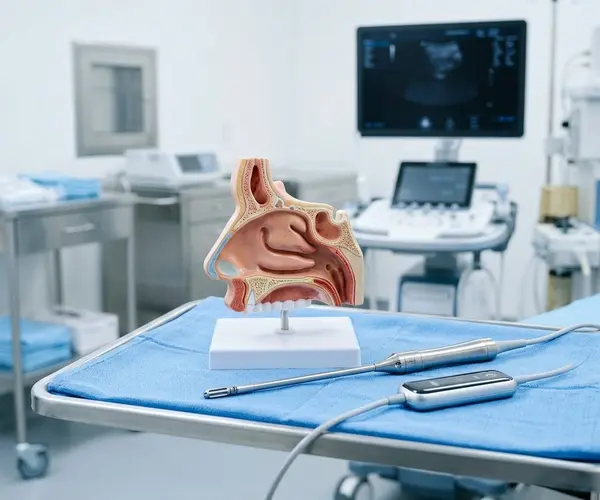
VASER liposuction begins with the standard tumescent technique, where a saline solution mixed with local anaesthetic is infused into the treatment area. A small ultrasound probe is then inserted through tiny incisions. This probe emits high-frequency sound waves that selectively disrupt fat cell membranes, turning the solid fat into a liquid emulsion.
The key advantage of this ultrasound energy is its selectivity. Fat cells are more susceptible to the vibrations than surrounding structures such as blood vessels, nerves, and connective tissue. This means the VASER probe can break apart fat while leaving the supporting tissue framework largely intact. After the fat has been liquefied, it is removed using standard suction cannulas.
VASER vs Traditional Liposuction
Traditional liposuction relies on mechanical force to dislodge and suction fat cells directly. While effective, this approach can cause more trauma to surrounding tissues, which may lead to greater bruising, swelling, and a longer initial recovery period.
VASER's ultrasound-first approach reduces the mechanical force needed during suctioning. Because the fat is already in liquid form, the cannula can move through the tissue more gently. This generally results in less post-operative bruising and discomfort. The preservation of the connective tissue matrix also appears to support better skin retraction after fat removal, which is a meaningful benefit for patients concerned about loose skin.
However, VASER is not universally superior to traditional methods. Each technique has strengths depending on the treatment area, the volume of fat being removed, and the surgeon's experience. Some surgeons achieve excellent results with traditional tumescent liposuction and may recommend it based on the clinical situation.
High-Definition Body Sculpting
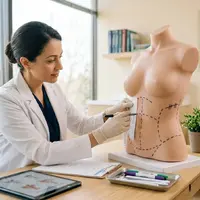
One of the applications where VASER has a particular advantage is high-definition liposuction. This technique aims to sculpt visible muscle definition, such as abdominal etching to create the appearance of a six-pack. The precision of ultrasound-assisted fat removal allows the surgeon to work at varying depths and contour around muscle groups with fine control.
High-definition results require the patient to have relatively low body fat and good muscle development underneath. It is an advanced technique that demands significant surgical skill and experience. Not all patients are suitable candidates, and the results depend heavily on maintaining a lean physique after the procedure.
Treatment Areas for VASER
VASER can be used on virtually the same areas as traditional liposuction, including the abdomen, flanks, thighs, arms, chin, back, and chest. It is sometimes preferred for fibrous areas such as the male chest (in cases of gynecomastia) or the upper back, where the fat tends to be more densely packed and harder to remove mechanically.
The technology also works well in areas where skin retraction is a priority, such as the inner thighs and upper arms, where the skin can be thinner and more prone to laxity after fat removal.
What to Expect from VASER Results
Recovery from VASER liposuction follows a similar timeline to traditional liposuction, with initial swelling subsiding over several weeks and final results becoming apparent over three to six months. Many patients notice less bruising and report a more comfortable early recovery compared to non-ultrasound techniques, though individual experiences vary.
Consult your surgeon about whether VASER is the most appropriate technique for your goals and anatomy. The choice of technology matters, but the surgeon's skill and experience with that technology matters more.