IPL / Photofacial in Thailand Your guide to cost, top surgeons & hospitals
IPL uses broadband light to fade sun spots, even out tone, and calm facial redness. It is not a laser, the downtime is minimal, and it works best on lighter skin that has not been tanned.
What Is IPL / Photofacial?
Also known as: Photofacial · Intense Pulsed Light Therapy
IPL stands for Intense Pulsed Light, and the first thing worth being clear about is that it is not a laser. A laser fires a single, fixed wavelength of light. IPL fires a broad band of many wavelengths at once, filtered for the job at hand. That light is absorbed by the brown pigment of sun spots and by the red of blood vessels, heating those targets so the body clears them while leaving the surrounding skin alone. The result, over a course of treatments, is a more even, brighter complexion with fewer spots and less redness.
Photofacial, sometimes called photorejuvenation, is the cosmetic name for IPL on the face, neck, chest, and hands. It is one of the best tools for sun damage: the freckling, mottling, and broken capillaries that build up over years of exposure. It does not treat deep wrinkles or restore volume, and it is not a substitute for a resurfacing laser when the concern is texture or scarring. Used for what it does well, it is reliable and low-downtime.
The honest caveat is skin type. IPL works by targeting pigment, so it cannot tell the difference between a sun spot and a tan, or between a spot and naturally darker skin. On lighter, untanned skin it is predictable and safe. On tanned or naturally deeper skin tones the risk of burns and pigment changes rises sharply2, and a responsible clinic will decline to treat rather than take that risk. That suitability question, not the brand of device, is the most important thing to settle first.
It can address a range of concerns, including:
Am I a Good Candidate for IPL / Photofacial?
IPL suits healthy adults with lighter, untanned skin bothered by sun spots, uneven tone, or redness, but it is not right for every skin type or every concern. Here is what a good clinic assesses before treating you.
Good candidates have surface pigment and redness rather than deep texture or volume concerns.
Pigment: sun spots, age spots, freckles, and blotchy, uneven tone from sun exposure.
Redness: facial flushing, rosacea redness, and fine broken capillaries or thread veins.
Areas: face, neck, chest, and hands, wherever sun damage shows.
This is the question that decides whether IPL is safe for you, and an honest clinic settles it first.
Best on lighter skin: untanned, fair-to-medium skin responds predictably and safely.
Not on tanned skin: a tan greatly raises the risk of burns and pigment changes; treatment is declined.
Darker skin tones: carry a higher risk; a good clinic recommends a safer alternative.
IPL evens and brightens; it does not transform, and knowing that keeps patients happy.
It targets pigment and vessels: so it fades spots and redness, not wrinkles or volume loss.
It is a course: three to five sessions build the result; one session is partial.
Not permanent: new sun exposure brings new damage, so sunscreen maintains the result.
A few situations mean IPL should wait or be avoided.
Recent or planned sun: avoid treating tanned skin or around heavy sun exposure.
Pregnancy: elective IPL is usually deferred until afterwards.
Isotretinoin (Accutane): a wait of at least six months off the drug is usually needed first.
Epilepsy: flag any photosensitive seizure disorder, as IPL uses bright flashing light.
Skin infection or cold sores: wait until any active infection or cold sore has cleared.
Who is not suitable for ipl / photofacial?
- Currently tanned skin, or sun exposure that cannot be avoided around treatment
- Naturally darker skin tones, where burn and pigment-change risk is higher
- Main concern is deep wrinkles, volume loss, scarring, or texture rather than pigment or redness
- Active skin infection, recent cold sore, or open lesion in the treatment area
- On isotretinoin (Accutane) or recently off it, where a wait of at least six months off the drug is usually needed first<sup class='cite'><a href='#ref-3'>3</a></sup>
- Epilepsy or a photosensitive seizure disorder, as IPL is a flashing-light device
- Pregnancy, or recent use of medication or treatment that makes skin light-sensitive
Pricing
How Much Will IPL / Photofacial Cost in Thailand?
What ipl / photofacial costs at accredited hospitals in Thailand, and what your final quote depends on.
Get your exact price
Tell us what you're considering and we'll send a personalised quote from accredited clinics within 24 hours.
Get my free quoteTypical prices in Thailand
Typical ranges based on recent hospital quotes. Your exact price depends on the hospital and how complex your case is, and is confirmed at your teleconsultation.
IPL / Photofacial
IPL uses broadband light to fade sun spots, even out tone, and calm facial redness across the treated area.
| Full face, per session Treats pigment and redness across the whole face | $180 to $300 ฿6,120 to ฿10,200 |
| Targeted area, per session For the hands or a single patch of sun damage | $100 to $180 ฿3,400 to ฿6,120 |
| Face and neck, per session Adds the neck, where sun damage often shows just as much | $250 to $350 ฿8,500 to ฿11,900 |
| Face, neck and chest, per session Covers the whole sun-exposed area in one appointment | $300 to $400 ฿10,200 to ฿13,600 |
Get your exact price
Tell us what you're considering and we'll send a personalised quote from accredited clinics within 24 hours.
Hospitals Trusted for IPL / Photofacial
From internationally accredited flagships to dedicated specialist hospitals, these are the kinds of facilities where international patients have this procedure.
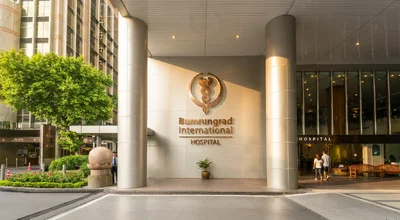
Bumrungrad International Hospital
Southeast Asia's flagship private hospital, treating over 520,000 international patients a year.
View hospital profile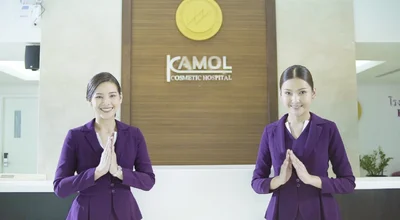
Kamol Cosmetic Hospital
The only specialist cosmetic surgery hospital in Thailand to hold JCI accreditation.
View hospital profile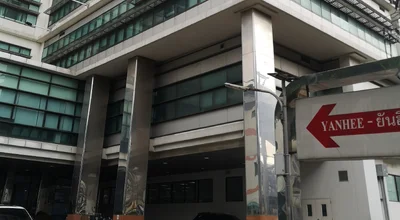
Yanhee International Hospital
A 400-bed hospital known worldwide for high-volume cosmetic surgery.
View hospital profile
Get a Free Quote in Two Minutes
Tell us what you're considering. We'll match you with suitable specialists and provide real hospital pricing.
- Honest pricing with no markups
- Matched to a specialist for your procedure
- No obligation, no pressure


Rated 5 stars by our patients
The complete guide to IPL / Photofacial in Thailand
Everything below is for readers who want the full detail: costs broken down, types and techniques, recovery, risks and safety, and planning your trip.
Where to Get IPL in Thailand
With IPL, the clinic, the device, and the person setting it matter far more than any brand name on the machine. These are the things to look for when choosing where to be treated in Thailand.
Doctor-Led Clinics
The safest IPL is delivered in clinics where a qualified doctor or dermatologist assesses your skin and oversees the treatment, rather than an unsupervised technician. IPL looks simple, which is exactly why it is sometimes offered cheaply in unregulated settings on unsuitable skin. A reputable medical clinic treats it as the medical procedure it is, with a proper skin assessment first.
A Modern, Well-Maintained Device
Device quality is central to safety with IPL. A modern, properly maintained machine with the right filters delivers a predictable, gentle result; a cheap or poorly kept one is where burns and pigment damage come from. A good clinic is happy to tell you what device they use and how it is set for your skin, and that transparency is a fair thing to ask for.
Honest Skin Assessment
The most important thing an IPL clinic does is decide whether IPL is safe for your skin at all. Look for one that examines your skin type, asks about recent and planned sun exposure, and is willing to say no or recommend an alternative if IPL is not suitable. A clinic that treats tanned or naturally darker skin with IPL without hesitation is one to avoid, not to trust.
Typical Photofacial Results
IPL results are reliable on suitable skin, but they are a gradual evening-out rather than a transformation. The sections below set out a realistic outcome and how it changes across a course.
What IPL Realistically Achieves
On suitable skin, IPL fades sun spots and freckles, evens out blotchy tone, and reduces facial redness and fine vessels, leaving a brighter, clearer complexion. It does not lift sagging skin, fill wrinkles, restore volume, or resurface deep texture and scarring, which need different tools. A realistic result is skin that looks fresher and more even, not flawless or younger by years.
How Results Change Over Time
The improvement is cumulative: each session shifts a little more pigment and redness, and the change becomes clear once the full course is complete. Results are not permanent, though. IPL clears existing sun damage but cannot stop new damage forming, so fresh sun exposure brings new spots. Maintenance sessions and, above all, daily sunscreen are what keep the result going.
IPL / Photofacial Cost in Thailand
Average Cost of a Photofacial
A single IPL session in Thailand typically costs between $100 and $400, depending on the area treated and the device used. A small area such as the hands or a targeted patch sits at the lower end, while a full face taken together with the neck and chest sits toward the top. Because IPL is delivered as a course, the figure that matters most is the total for the recommended number of sessions, not the headline single-session price.
Per Session vs Per Course
Most clinics quote per session, but IPL is designed as a course of three to five treatments, so a single-session price can look cheaper than it really is. Many clinics offer a package price for the full course that works out lower per session than paying individually. When comparing clinics, always reconcile the per-session and per-course figures so you are comparing the true cost of the result, not just one appointment.
What Affects the Price?
The size of the area is the biggest factor: hands or a single patch cost far less than a full face, neck, and chest. The number of sessions your skin needs comes next, which depends on how much pigment and redness there is. Device quality matters too, as a modern, well-maintained machine in a doctor-led clinic costs more to run than a cheap one, and that difference is exactly what keeps the treatment safe.
Thailand vs International Price Comparison
A photofacial in Thailand costs less than in the US ($300–$700 a session), Australia (A$350–A$800), and the UK (£150–£500), largely reflecting lower operating costs rather than weaker standards. Because IPL needs a course, the saving adds up across several sessions, but it is still rarely worth a trip on its own. It makes most sense added to a holiday or combined with other treatments, where the lower price and convenience are a genuine bonus.
IPL vs Laser Treatments
IPL and laser treatments are often lumped together, but they work differently and suit different problems, so it is worth being clear before any consultation. IPL is not a laser. It uses a broad band of filtered light, while a laser uses a single, fixed wavelength.
That difference shapes what each is good for. IPL spreads its energy across a wide area and several mild targets at once, which makes it ideal for diffuse pigment, uneven tone, and facial redness with little downtime. A laser concentrates its energy precisely, which makes it the better tool for resurfacing texture, softening scars, or removing a stubborn isolated lesion, usually with more downtime in return.
In short, if the concern is brown spots, blotchy tone, or redness spread across the skin, IPL is usually the right starting point. If it is deep wrinkles, acne scarring, or texture, a resurfacing laser like CO2 is the better fit. Many people use both over time for different concerns, and a good clinic will tell you honestly which your skin actually needs rather than selling whichever machine they own.
What a Photofacial Can Treat
The same broadband light is filtered and set differently depending on the target. Most photofacials address pigment, redness, or both, and the device can also be configured for unrelated jobs like hair reduction.
Photofacial for Pigmentation
The most common use, aimed at sun spots, age spots, freckles, and general mottling from sun exposure. The light is absorbed by the brown pigment, which heats and breaks up. Treated spots usually darken first, looking like coffee grounds for a few days, then flake away over a week or two, leaving more even skin underneath.
- Targets sun spots, age spots, freckles, and uneven tone2
- Spots darken then flake off over one to two weeks
- Best results on lighter, untanned skin
- Best for: sun-damaged, blotchy complexions wanting a brighter, more even tone
Photofacial for Redness, Rosacea & Vessels
Set to target the red of blood, IPL fades diffuse facial flushing, the background redness of rosacea, and fine broken capillaries or thread veins. The light is absorbed by the vessels so they shrink and are cleared by the body. It calms the overall red tone rather than curing rosacea, which is a chronic condition that benefits from ongoing care.1
- Reduces facial redness, rosacea flushing, and broken capillaries
- Light is absorbed by the vessels, which shrink and clear
- Calms redness rather than curing the underlying condition
- Best for: persistent facial redness, flushing, or visible thread veins
Full-Face Photorejuvenation
A combined approach addressing both pigment and redness across the whole face, often extended to the neck, chest, and hands where sun damage shows. The aim is overall rejuvenation, a brighter, clearer, more even complexion, rather than fixing one isolated spot. Usually delivered as a course for a cumulative result.
- Treats pigment and redness together for overall evenness
- Can extend to neck, chest, and hands
- Builds a brighter, clearer complexion over a course
- Best for: general sun-damaged, ageing skin wanting all-round rejuvenation
Other IPL Uses (Hair & Acne)
The same broadband-light technology is also used for hair reduction and to help some types of acne, where the light targets the pigment in hair or the bacteria and oil glands behind breakouts. These are separate treatment protocols from a photofacial, with their own settings and suitability rules, and are worth raising at consultation if they interest you.
- IPL is also used for hair reduction and certain acne
- Different settings and protocols from a pigment or redness photofacial
- Same skin-type cautions apply to hair and acne use
- Best for: those wanting to combine concerns; ask what your clinic offers
IPL Devices & Approaches
IPL is more operator-dependent than most aesthetic treatments, because the same machine can be set to do good work or to cause a burn. Device quality and the skill of the person setting it matter far more than any brand name.
IPL vs Laser
The core distinction. A laser emits one precise wavelength tuned to a single target, which makes it powerful and predictable for that job. IPL emits a broad spectrum of light filtered toward pigment or vessels, which makes it versatile across several mild concerns at once but less concentrated than a laser. Neither is better outright; they suit different problems.
- Laser: a single, fixed wavelength for one precise target
- IPL: a broad band of filtered light covering several mild concerns
- IPL is versatile and gentle; laser is more concentrated
- Why it matters: IPL suits diffuse pigment and redness, not deep texture
Cut-Off Filters
IPL devices use interchangeable filters that block the shorter, less useful wavelengths and let through the band best suited to the target. A filter set for pigment differs from one set for redness. Choosing and changing filters correctly for your concern and skin is part of what separates a skilled operator from someone running a one-size setting.
- Filters tune the light band toward pigment or toward vessels
- The right filter for your concern is an operator decision
- Wrong settings are where poor results and burns come from
- Why it matters: an experienced operator matters more than the logo
Course-Based Protocols
A single session helps, but IPL is designed to be delivered as a course, usually three to five sessions spaced a few weeks apart. Each session clears a little more pigment and redness, and the gaps let the skin recover between treatments. Expecting one session to do everything is the most common cause of disappointment.
- Usually three to five sessions, spaced a few weeks apart
- Results build cumulatively across the course
- Gaps allow the skin to recover between treatments
- Best for: anyone serious about an even, lasting result rather than a quick fix
Operator Skill & Device Quality
This is the safety heart of IPL. A modern, well-maintained device set correctly for your skin is gentle and predictable. A cheap or mis-set machine, or one used on unsuitable skin, can burn or cause lasting pigment changes. Cut-price IPL in unregulated settings is exactly where harm happens, which is why a doctor-led clinic that assesses your skin first matters.
- A mis-set or low-quality device can burn or change pigment
- Correct settings for your skin type are essential
- Cut-price, unsupervised IPL is the main avoidable risk
- Why it matters: the operator and device matter more than the price
What to Expect After a Photofacial
First 24 Hours
Expect mild redness and a warm, sunburn-like feeling for a few hours, which usually settles by the next day. Treated brown spots often look darker straight away, which is normal and expected. Avoid heat, hot showers, saunas, and exercise for the rest of the day, keep the skin cool and moisturised, and apply sunscreen. You can fly the same day if needed.
Days 1–7
The treated spots darken further into fine flecks, often described as coffee grounds, and begin to flake away. Do not pick or scrub them; let them shed on their own. Pause retinoids, AHAs, BHAs, and other chemical exfoliants now, as on freshly sensitised skin they force the flecks off too early and raise the pigmentation risk. Stick to a gentle cleanser, moisturiser, and sunscreen. Any redness fades over the first day or two. Strict sun protection is essential, as freshly treated skin is more vulnerable to pigment changes.
Days 7–14
Most of the darkened pigment has flaked off, revealing more even skin underneath, and redness or visible vessels look reduced. Once the skin has fully shed and settled, usually around day 10 to 14, you can reintroduce retinoids and exfoliating acids gradually. The improvement from a single session is visible but partial, which is why a course is planned. This is usually around the point a next session would be scheduled.
After the Course
With the full course of three to five sessions complete, sun spots are noticeably faded, tone is more even, and redness is calmer. Results are not permanent: new sun exposure creates new damage, so maintenance sessions and daily sunscreen keep the result going.
Can You Fly After a Photofacial?
Yes. There is no medical reason you cannot fly the same day as an IPL session. The treated skin is warm and may look pink for a few hours, but this settles quickly. The one thing to plan for is sun: avoid sun exposure on the way to and from the clinic and throughout your trip, as freshly treated skin is more vulnerable to pigment changes.
When Can You Exercise and Wear Makeup?
Avoid the gym, hot yoga, saunas, and anything that heats or flushes the skin for the rest of the treatment day, then resume from the next day. Gentle mineral makeup can usually go on the following day once any redness has settled, but avoid scrubbing or exfoliating while the treated spots are darkening and flaking. Let them shed on their own.
When Will You See the Full Result?
Each session fades a little more pigment, with cleaner, more even skin emerging once the treated spots have shed. The full result builds across the whole course, so judge it then rather than after one treatment. Daily sunscreen between and after sessions protects the result and prevents new damage undoing it.
Does a Photofacial Hurt?
A photofacial is uncomfortable rather than painful. Most people describe each pulse of light as a quick snap, like the flick of a warm rubber band against the skin, followed by a brief sensation of heat. It is very tolerable, and a full-face session is usually over in twenty to thirty minutes.
No injected or topical anaesthetic is normally needed. A cooling gel is applied to the skin to protect the surface and ease the sensation, and many modern devices have a built-in cooling tip that further softens the feeling. Areas with more pigment or denser vessels can feel a little sharper, simply because more light is being absorbed there.
There is little to manage afterwards. The skin feels warm, like mild sunburn, for a few hours and may look pink, but this settles quickly. The main aftercare is keeping the skin cool, moisturised, and protected from the sun while the treated spots darken and flake over the following days.
Risks and Safety of IPL
IPL is safe and predictable on suitable skin in trained hands, and most side effects are mild and short-lived. The risks that matter are almost all tied to skin type and to whether the device is set correctly, which is why honest assessment comes first.
- Temporary redness, swelling, and a warm, sunburn-like feeling for a few hours (common and expected)
- Darkening then flaking of treated brown spots over one to two weeks (expected, not a complication)
- Blistering or burns if the device is mis-set or used on tanned or unsuitable skin2
- Hyperpigmentation, a temporary or longer-lasting darkening, especially without strict sun protection
- Hypopigmentation, lightened patches where pigment is lost (less common, can be lasting)
- Poor or no result when IPL is used on the wrong concern, such as deep wrinkles or volume loss
- Triggering a cold sore if treating near the mouth with a history of them
- Eye injury if protective eyeshields are not worn: IPL flashes can harm the cornea and retina, so opaque eyeshields for you and the operator are essential, especially around the eyes
- Lasting pigment damage from cut-price IPL on unsuitable skin (the main avoidable risk)
The serious risks trace back to two avoidable things: treating tanned or unsuitable skin, and a mis-set or low-quality device in untrained hands. A responsible clinic assesses your skin type honestly and will decline to treat if IPL is not safe for you, rather than risk a burn or lasting pigment change to make a sale. That willingness to say no is a sign of a good clinic, not a lost opportunity.
Is IPL Safe in Thailand?
Yes, on suitable skin in a doctor-led clinic with a modern, well-maintained device. The treatment itself is the same wherever it is performed; what makes it safe is honest skin assessment and correct settings, not the location. A reputable Thai clinic will check your skin type, ask about recent sun exposure, and decline to treat if IPL is not safe for you. That honesty is the standard to look for.
How to Reduce Your Risk
Choose a clinic that assesses your skin before quoting, uses a recognised modern device, and is operated under medical supervision rather than by an unsupervised technician. Make sure opaque eyeshields are placed over your eyes for every pulse, as IPL flashes can injure the cornea and retina, and the operator should wear eye protection too. Be honest about recent sun exposure and skin tone, avoid the sun before and after, and never accept treatment on tanned skin. Be sceptical of prices far below the market, as cut-price IPL on unsuitable skin is exactly where burns happen.
What If You Don't Like the Result?
Most underwhelming results come from expecting one session to do everything, or from using IPL on a concern it does not treat, like deep wrinkles. Completing the full course usually delivers the even tone people are after. If a treated area looks darker or patchy at first, that is often the normal flaking phase rather than a problem. Any genuine pigment change should be reviewed by a doctor, which is why a medical clinic matters.
Fitting a Photofacial Into Your Trip to Thailand
IPL needs little recovery, but it works as a course, which shapes how it fits a trip. Below is how to plan it around the rest of your stay, and around the sun.
No Dedicated Stay Needed
A single IPL session is a walk-in, walk-out appointment with minimal downtime, so it slots easily into a trip. The catch is the course: three to five sessions spaced weeks apart usually cannot all be done in one short holiday. Many people have one or two sessions in Thailand and continue at home, or plan a longer stay. Your clinic will advise what is realistic for your skin and time.
Mind the Sun
This is the planning point that catches people out. IPL cannot be done on tanned skin, and treated skin must be protected from the sun afterwards. A beach-and-sun holiday and a photofacial do not mix well. If IPL is part of your trip, keep out of the sun, cover up, and use high-factor sunscreen, and schedule the treatment so you are not lying on a beach the day before or after.
Combining It With Other Treatments
IPL is often added to a broader skin plan rather than done alone. It pairs with injectables like Botox and skinboosters, which work on different concerns, and with skin-tightening treatments. If texture or scarring is also a concern, a resurfacing laser may be sequenced separately. Your clinic will plan the order and timing so treatments do not interfere with each other or with sun-sensitive recovery.
Related Procedures
Other procedures that address similar goals or conditions, in case one of them is a closer fit for you.
Planning your treatment in Thailand
Independent guides to help you weigh the decision, before you commit to anything.
Common Questions About IPL / Photofacial
Everything you need to know before your treatment

Medical References
Keep researching with AI
Open this guide in your AI assistant to dig deeper and ask the questions it didn't answer.
Opens in a new tab with this guide already loaded.
Medical disclaimer: This information is for educational purposes only and does not replace professional medical advice. Individual results, recovery times, and suitability vary. Always consult a qualified surgeon before making decisions about treatment.
Ready to Get Started?
Speak with our care coordinators for a free, no-obligation consultation and personalised quote.
Speak to Our Team