How to choose a cosmetic surgery hospital in Thailand
Choosing where to have surgery is a bigger decision than choosing the procedure, and it is the one most people rush. The framework below is the one our team works through when we assess a facility, in the order that actually decides the outcome.
Start with the procedure, not the hospital
The operation you are planning shapes almost everything that follows. A long combined procedure such as a mummy makeover or full body contouring points towards a hospital with strong monitoring and recovery support, while a short low-risk procedure like upper eyelid surgery opens up smaller specialist clinics. Settle the procedure first and let it narrow the shortlist. If you are still weighing options, our procedure guides cover recovery, cost and what each one involves.
What accreditation actually verifies, and what it does not
Most hospitals worth considering hold JCI accreditation, the same international benchmark used by leading hospitals in the US and Europe. It confirms the facility meets a recognised standard for patient safety, infection control and governance. What it does not do is rank surgeons or promise an aesthetic result, so read it as the floor rather than the finish line. We check every accreditation on this site directly with the issuing body rather than taking a hospital's word for it, and we set out how in our editorial policy.
Full-service hospital or specialist cosmetic clinic
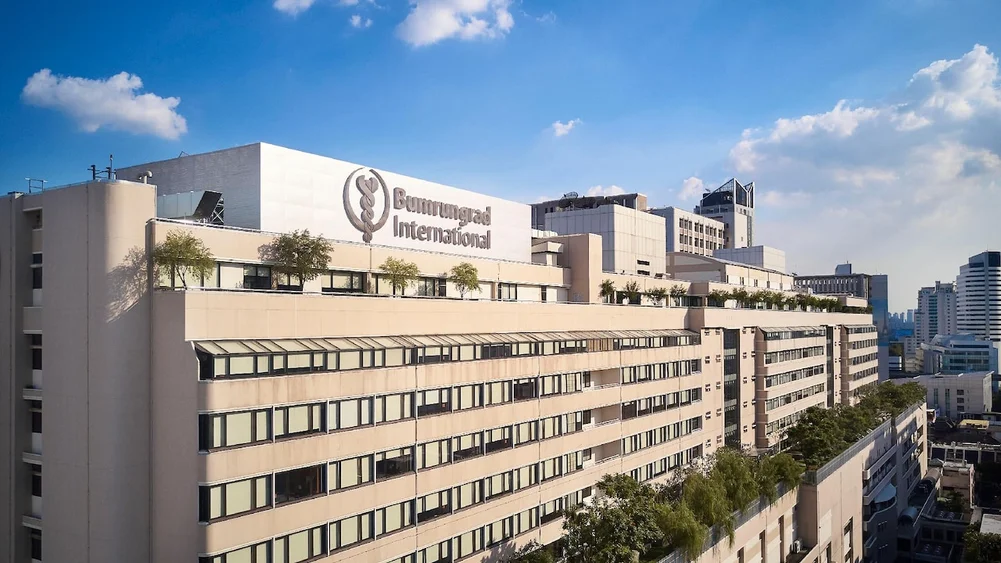
This is the trade-off that shapes most shortlists. A full-service hospital gives you an emergency department, intensive care and a broad medical safety net on site, which counts most for longer or more invasive surgery. A specialist cosmetic hospital gives that up in return for a team that performs your procedure every day, usually at a lower price. Neither wins in the abstract, and the right call moves with the operation and how much risk it carries.
How to vet the surgeon behind the building
A strong building does not operate on you, a surgeon does. Ask how often they perform your exact procedure rather than cosmetic surgery in general, and confirm certification with the Thai Board of Plastic Surgery and registration with the Thai Medical Council. For technique-led operations such as rhinoplasty, experience with revision work matters more than a large overall caseload. Ask plainly how a revision would be handled if the result needed adjusting later.
How to read a quote and what it should include
A genuine quote is itemised, not a single headline number. It should show the surgeon's fee, anaesthesia, the facility, any implants or materials, the nights included, and the follow-up visits, and it should be clear about what falls outside it. A price well below every other quote is a reason to ask what has been left out, not a bargain. If you would rather not piece this together yourself, tell us what you are considering and we will build a clear breakdown for you.
Safety and complication planning before you book
The question most worth asking before you commit is what happens if something goes wrong. Confirm the anaesthesia setup, whether intensive care and a blood bank are on site, the fitness-to-fly window for your procedure, and who manages a complication while you are still in Thailand. A facility worth trusting answers all of that without hesitation, and sets out a follow-up plan for once you are home, including a named person you can reach.
Red flags to walk away from
Most poor experiences share the same warning signs, and any one of them is reason enough to slow down.
- Pressure to decide or pay quickly, or a discount that expires if you do not book today
- No itemised written quote, or a refusal to put the price in writing
- The operating surgeon will not be named until after you have paid
- A price far below every other quote you have seen
- No clear answer on who manages a complication or handles a revision
If a hospital hesitates on any of these, treat the hesitation as your answer.
Questions to ask before you book
Bring the same short list to every hospital you shortlist. Asking the same questions is what makes them genuinely comparable.
- How often does the surgeon perform my exact procedure, and are they certified by the Thai Board of Plastic Surgery?
- What does the quote include, and what falls outside it?
- What accreditation does the hospital hold, and when was it last renewed?
- What happens if a complication develops while I am still in Thailand?
- What does follow-up look like once I fly home, and who is my point of contact?
If you would rather not run this yourself, tell us your procedure and we will check it with the hospitals for you.