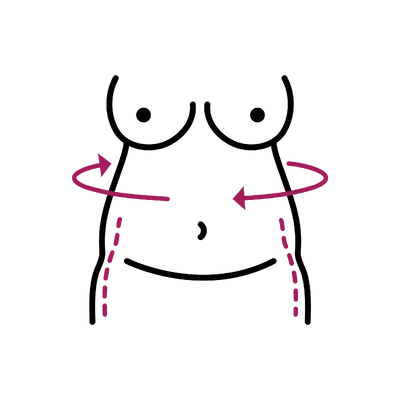
Tummy Tuck in Thailand Your guide to cost, top surgeons & hospitals
A flat stomach after pregnancy or weight loss is not about willpower. Some things only surgery can fix.
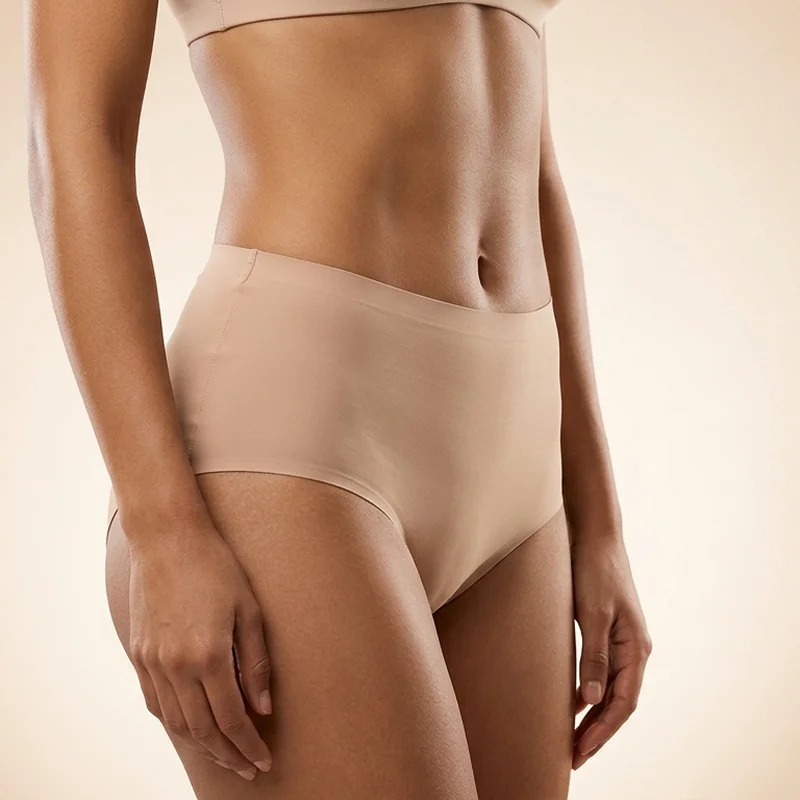
What Is Tummy Tuck?
Also known as: Stomach Surgery · Abdominoplasty
A tummy tuck, or abdominoplasty, is surgery that flattens and firms the abdomen by removing excess skin and fat and repairing the muscles beneath. It addresses the loose skin and stubborn bulge left by pregnancy or major weight loss, usually by tightening the rectus muscles that have separated down the middle, a condition called diastasis recti. Through a low incision along the bikini line, the surgeon trims the slack skin, stitches the muscles back to the midline, and repositions the belly button. It takes 2 to 3 hours under general anaesthesia, and results are permanent at a stable weight.1
If you have done the gym work and the pouch still will not go, that is usually because the problem is structural, not effort. Surgery reaches what diet and exercise cannot.
The scope ranges from a mini tuck for the lower belly to a full repair from ribcage to pubic bone, and the right version depends on your anatomy rather than a one-size answer. The muscle repair is often what makes the real difference, so a consultation is where your surgeon confirms what your abdomen actually needs.
It can address a range of concerns, including:
Am I a Good Candidate for Tummy Tuck?
A good abdominoplasty result depends on timing, health, and life stage as much as anatomy; surgeons weigh all three at consultation.
Surgeons confirm your problem is structural, the kind only abdominoplasty corrects.
Overhanging skin: loose skin after pregnancy or significant weight loss that no amount of exercise can re-tighten.
Muscle separation: a persistent diastasis recti bulge; the muscle repair flattens the profile in a way skin removal alone cannot.
Exercise-resistant pouch: a belly that will not flatten despite consistent training is usually a muscle and skin problem, not a fat problem.
Skin versus fat: if your main issue is fat with good skin tone, liposuction alone may serve you better.
Not sure which you need? Compare tummy tuck and liposuction.
Operating while your weight is still moving compromises skin healing and the final contour.
Stable for three months: surgeons want you at a maintained, stable weight for at least three months before surgery.
Post-bariatric timing: being within 12 months of bariatric surgery and still losing is a reason to wait, not a reason to rush.
Contouring, not weight loss: the procedure works at your target weight; results then hold long-term with weight stability.
Pregnancy stretches the repaired muscles, so surgeons ask about family plans before anything else.
Finished having children: the ideal candidate has completed their family, or accepts that future pregnancy may compromise the result.
What pregnancy does: it will likely stretch the muscle repair and skin again; the surgery poses no health risk to a pregnancy, but the cosmetic result is what suffers.
Sensible sequencing: most surgeons advise completing your family first rather than planning a revision later.
This is major surgery with a long incision and a high wound-healing demand.
Non-smoker: stopping at least four weeks before and after is essential; wound separation along the incision is significantly more common in smokers.
No clotting history: a history of blood clots raises the stakes, since DVT is a recognised risk of abdominal surgery.
Controlled health: uncontrolled diabetes or a BMI in a higher-risk surgical category are reasons to pause and optimise first.
Recovery realism: plan for 4 to 6 weeks of restricted activity, including bent-over walking in the first days.
The hip-to-hip scar is a permanent trade-off you should be comfortable with before committing.
Bikini-line placement: the incision is designed to sit below underwear and swimwear lines.
12 to 18 months to mature: the scar starts red and raised, then flattens and fades to a thin, pale line.
Quality varies: genetics, skin type, and wound care all affect the final scar, and hypertrophic or widened scarring is possible in some skin types.
Who is not suitable for tummy tuck?
- Planning future pregnancies
- Weight still changing or within 12 months of bariatric surgery
- Current smokers or nicotine users unwilling to fully stop at least four weeks before and after surgery, given the high wound-healing and skin-flap necrosis risk
- History of blood clots or uncontrolled diabetes
- BMI in a higher-risk surgical category
- Significant uncontrolled heart or lung disease, or otherwise not medically fit for general anaesthesia
- Prior abdominal surgery that may compromise blood supply to the skin flap, such as a midline laparotomy scar or previous liposuction of the abdominal flap
Pricing
How Much Will Tummy Tuck Cost in Thailand?
What tummy tuck costs at accredited hospitals in Thailand, and what your final quote depends on.
Get your exact price
Tell us what you're considering and we'll send a personalised quote from accredited hospitals within 24 hours.
Get my free quoteTypical prices in Thailand
Typical ranges based on recent hospital quotes. Your exact price depends on the hospital and how complex your case is, and is confirmed at your teleconsultation.
Tummy Tuck
A tummy tuck removes loose lower-abdominal skin and, where the muscles have separated, stitches them back together to flatten and firm the abdomen.
| Mini abdominoplasty Lower abdomen only, with the belly button left where it is | $3,500 to $4,500 ฿119,000 to ฿153,000 |
| Full abdominoplasty Hip-to-hip incision with muscle repair and the belly button repositioned | $4,500 to $6,000 ฿153,000 to ฿204,000 |
| Extended abdominoplasty Takes in the flanks and lower back when loose skin wraps round the sides | $5,500 to $7,000 ฿187,000 to ฿238,000 |
Added to the above where needed
| Liposuction added to your tummy tuck Suctions fat from the flanks and upper abdomen that skin removal alone cannot reach | $800 to $1,500 ฿27,200 to ฿51,000 |
Get your exact price
Tell us what you're considering and we'll send a personalised quote from accredited hospitals within 24 hours.
Hospitals Trusted for Tummy Tuck
From internationally accredited flagships to dedicated specialist hospitals, these are the kinds of facilities where international patients have this procedure.
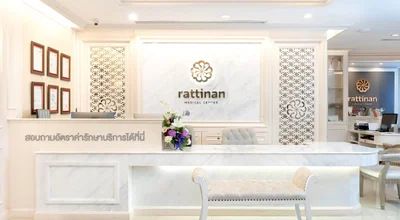
Rattinan Clinic
A specialist body contouring clinic in central Bangkok with over 14,000 BodyTite treatments performed.
View hospital profile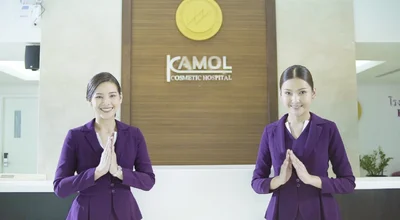
Kamol Cosmetic Hospital
The only specialist cosmetic surgery hospital in Thailand to hold JCI accreditation.
View hospital profile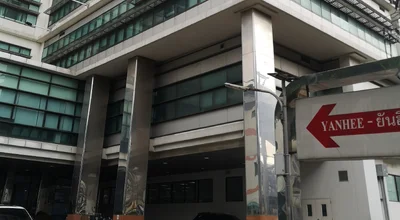
Yanhee International Hospital
A 400-bed hospital known worldwide for high-volume cosmetic surgery.
View hospital profile
Get a Free Quote in Two Minutes
Tell us what you're considering. We'll match you with suitable specialists and provide real hospital pricing.
- Honest pricing with no markups
- Matched to a specialist for your procedure
- No obligation, no pressure


Rated 5 stars by our patients
The complete guide to Tummy Tuck in Thailand
Everything below is for readers who want the full detail: costs broken down, types and techniques, recovery, risks and safety, and planning your trip.
Tummy Tuck Surgeons & Clinics in Thailand
The surgeon's experience with abdominal wall reconstruction matters as much as their aesthetic eye. Here is what we screen for when matching you to a surgeon and hospital for abdominoplasty in Thailand.
Leading Hospitals in Bangkok
Our partner hospitals are JCI-accredited with dedicated plastic surgery departments. These are full-scale hospitals with overnight wards, anaesthesia teams, and the ability to manage complications in-house. For a procedure that involves muscle repair and an overnight stay, hospital infrastructure matters more than it does for smaller cosmetic operations.
Experienced Tummy Tuck Surgeons
Our partner surgeons hold certification from the Thai Board of Plastic and Reconstructive Surgery. Many completed fellowships in body contouring or post-bariatric surgery internationally before returning to Thailand where the surgical volume is higher. That combination, formal training plus consistent caseload, is what keeps outcomes reliable across the full range of abdominoplasty types.
What to Look for in a Surgeon
Experience with muscle repair matters as much as skin removal, and a surgeon who primarily does mini tummy tucks is not the right match for a complex post-bariatric extended abdominoplasty, so we match you to a surgeon whose caseload fits the procedure you need. You will see before-and-after examples of patients with similar body types and degrees of skin excess where available, and your coordinator can talk you through each surgeon's drain management and aftercare approach. If you want to read independent reviews before deciding, we are happy to point you to them.
Understanding Your Results
Tummy tuck results are permanent, but the final shape takes months to fully emerge. Here is what to expect at each stage.
Typical Tummy Tuck Results
A successful abdominoplasty produces a flat, firm abdominal profile with a defined waistline and a low, horizontal scar along the bikini line. The belly button sits naturally on the tightened abdomen. Core strength improves as the repaired muscles provide structural support they have been missing. The results hold long-term provided weight remains stable, though the abdomen continues to age naturally like the rest of the body.
What Results Can You Expect?
You will see a dramatic difference as soon as bandages come off, but that is not your final result. Swelling obscures the true contour for weeks, and the lower abdomen is always last to settle. By month 3 you have a good indication of your outcome. The scar starts red and raised, then flattens and fades over 12–18 months. Patients with good skin quality and stable weight typically see the best long-term results. If you had significant diastasis, the improved core function is often as noticeable as the visual change.
Tummy Tuck Cost in Thailand
Average Cost of a Tummy Tuck
A tummy tuck in Thailand typically costs between $3,500 and $7,000 depending on the type (mini vs full vs extended), whether liposuction is included, and the hospital. A straightforward mini abdominoplasty sits at the lower end, while a full procedure with extended skin removal and liposuction-assisted contouring costs more. All quotes should be itemised so you can see exactly what you are paying for.
Cost Breakdown
A typical quote breaks down into several components, though exact inclusions are set by the clinic and confirmed in writing in your quote. The surgeon's fee is usually the largest portion, reflecting the technical complexity of muscle repair and skin excision. Hospital and theatre fees cover the facility, operating room, equipment, and nursing during your overnight stay. Anaesthesia fees are usually separate and cover both the anaesthetist and intraoperative monitoring. Aftercare typically covers follow-up visits, drain management, wound checks, and medications during your recovery in Thailand.
What Affects the Price?
The main price drivers are the extent of surgery and how long you spend in theatre. A full abdominoplasty with muscle repair costs more than a mini because it takes longer and involves more tissue handling. Adding liposuction to the flanks increases the fee. Extended abdominoplasty costs the most due to the larger incision and longer operative time. Hospital tier and surgeon seniority also affect the final number.
Thailand vs International Price Comparison
A tummy tuck in Thailand costs 40–60% less than equivalent surgery in the US ($9,800–$17,500), Australia (A$9,100–A$15,800), and the UK (£7,700–£13,300). The saving reflects lower facility and staffing costs in Thailand, not a difference in surgical standard. Our partner hospitals hold JCI accreditation and our partner surgeons are certified by the Thai Board of Plastic Surgery.
Non-Surgical Alternatives to a Tummy Tuck
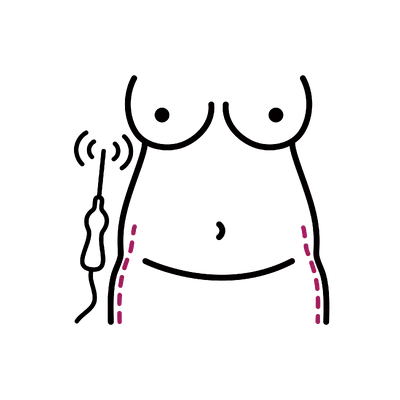
If your only concern is a layer of stubborn fat over firm skin, non-surgical options can genuinely help. Fat-freezing (CoolSculpting) reduces small, pinchable fat pockets without surgery or downtime, radiofrequency and ultrasound devices can tighten mildly lax skin over a course of sessions, and EMSculpt-style muscle stimulation can build abdominal tone. For the right candidate, these avoid an incision and a recovery period entirely.
The limits are worth being honest about. None of these can remove loose, overhanging skin, and none can repair separated abdominal muscles (diastasis recti), which is the structural problem behind most post-pregnancy and post-weight-loss bellies. The changes are gradual and modest, usually need several sessions and ongoing maintenance to hold, and muscle stimulation tones the core but does nothing for a true muscle gap. If the skin is stretched or the rectus muscles have parted, no energy device or injection will close that.
When the issue is excess skin, a persistent pouch that survives the gym, or a muscle separation you can feel, surgery is the only route to a lasting, structural result, and that is what the rest of this page covers. A tummy tuck removes the slack skin, stitches the muscles back to the midline, and gives a flat profile in one operation rather than a programme of repeated treatments.
Types of Tummy Tuck
The right type depends on where the damage sits and how much muscle repair is needed. Skin quality, fat distribution, and whether you have had previous abdominal surgery all factor in.
Full Abdominoplasty
The standard approach for moderate to significant skin excess and muscle separation. A hip-to-hip incision allows full access to repair muscles from ribcage to pubic bone, remove all excess lower abdominal skin, and reposition the belly button. This is what most post-pregnancy patients need.
- Hip-to-hip incision hidden along the bikini line
- Full muscle repair from ribcage to pubic bone addresses core weakness
- Belly button is repositioned to sit naturally on the tightened abdomen
- Best for: significant skin excess, muscle separation, or post-pregnancy abdomen
Mini Abdominoplasty
A smaller operation for patients whose concerns sit below the belly button. Shorter incision, no belly button repositioning, and quicker recovery. The trade-off is limited scope, if there is muscle separation above the navel or significant upper skin laxity, a mini tuck will not address it.
- Shorter incision and faster healing than full abdominoplasty
- Addresses lower abdominal skin and fat only
- Belly button stays in its original position
- Best for: mild lower belly skin laxity without upper abdominal concerns
Extended Abdominoplasty
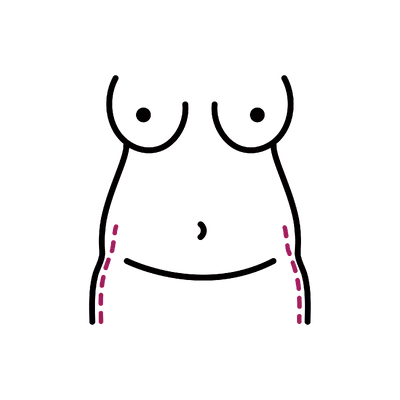
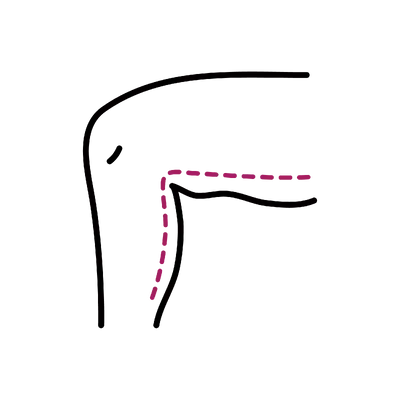
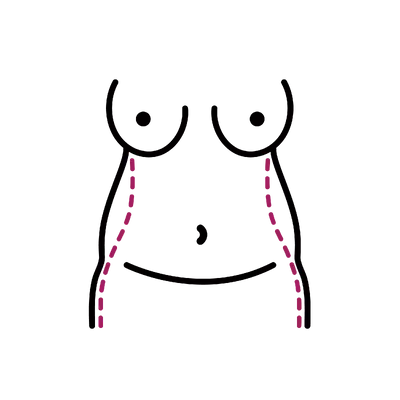
For patients with excess skin wrapping around the flanks and lower back, common after major weight loss. The incision extends further around the hips to address the sides and back. Often combined with liposuction to refine the overall contour beyond what skin removal alone achieves.
- Incision extends toward the lower back to address flanks
- Removes circumferential excess skin after significant weight loss
- Frequently paired with liposuction for comprehensive contouring
- Best for: post-bariatric patients or anyone with excess tissue extending around the torso
Fleur-de-Lis Abdominoplasty
For patients left with both horizontal and vertical skin excess after massive weight loss, a standard hip-to-hip incision alone leaves loose tissue across the waist. A fleur-de-lis adds a vertical midline incision so the surgeon can tighten the abdomen sideways as well as up and down. The trade-off is a visible vertical scar up the centre of the abdomen, which is why it is reserved for cases that genuinely need it.
- Combines the standard horizontal incision with a vertical midline one
- Removes excess skin in both directions for a tighter waist after major weight loss
- Leaves a vertical scar as well as the bikini-line scar
- Best for: post-bariatric patients with significant horizontal and vertical skin laxity
Tummy Tuck Techniques
Technique choices are mostly about muscle repair method and how the surgeon handles drainage. These details matter more to your recovery than most patients realise.
Muscle Plication (Diastasis Repair)
Internal corset sutures pull the separated rectus muscles back to the midline. This is the step that actually flattens the abdomen, not skin removal. The repair runs from the ribcage down to the pubic bone in a full case. Without it, the pouch returns under any abdominal pressure.
- Permanent internal sutures close the muscle gap
- Restores core support and addresses the abdominal bulge skin removal alone leaves behind
- Recovery requires bent-over walking for the first few days as tissues adapt
- Best for: any patient with diastasis recti, which includes most post-pregnancy cases
Drain vs Drainless Technique
Traditional tummy tucks use surgical drains for 7–10 days to prevent fluid buildup. Progressive tension sutures (drainless technique) tack the abdominal flap down internally, reducing dead space without external drains. Drainless is more comfortable but not every case suits it, thicker flaps and extended procedures still benefit from drains.
- Drains reduce seroma risk but require daily management during recovery
- Drainless uses internal quilting sutures to eliminate dead space
- Surgeon preference and case complexity determine the better option
- Best for: drainless suits standard cases; drains remain preferable for extended or complex revisions
Liposuction-Assisted Abdominoplasty
Combining limited liposuction with the tummy tuck refines the flanks and upper abdomen where skin removal alone leaves fullness. The amount of liposuction that can safely be added depends on overall tissue handling and blood supply to the abdominal flap.
- Addresses flanks and upper abdomen that skin excision cannot reach
- Must be balanced carefully to preserve blood supply to the skin flap
- Adds modest operative time but significantly improves overall contour
- Best for: patients with localised fat deposits outside the excision zone
Tummy Tuck Recovery Timeline
Week 1
The first few days are the toughest. You'll walk bent at the waist to protect the muscle repair, and everything from getting out of bed to using the bathroom takes effort. Drains are managed daily if used. Swelling and tightness peak around days 2–4. Your care coordinator checks in each day, and your surgeon reviews healing before you leave hospital.
Weeks 2–3
You start standing straighter as the internal repair settles. Drains typically come out by day 7–10. Bruising fades and the tightness shifts from painful to uncomfortable. Most patients manage light activity and short walks by the end of week two, and desk work is realistic from week 3–4. Your follow-up appointments happen during this period before you fly home.
Weeks 4–6
The visible swelling drops significantly and your new abdominal contour starts to emerge. You settle back into gentle daily routines, but still avoid lifting anything over 5kg, core exercises, and anything that strains the repair. The scar is still red and firm at this stage.
Months 3–12
Residual swelling resolves fully and the scar matures from red to pale pink, eventually settling into a thin line along the bikini crease. Core strength returns gradually. The final abdominal shape is usually clear by month 6, with scar fading continuing for up to 18 months.
When Can You Fly After a Tummy Tuck?
Most patients can fly home 10–14 days after surgery, once drains are removed and your surgeon confirms the wound is healing properly. Cabin pressure is safe at this point. The main concern is prolonged sitting, book an aisle seat, move around regularly during the flight, and wear your compression garment. Some patients find a small pillow against the abdomen helpful for comfort during turbulence or coughing.
When Can You Return to Work and Exercise?
Desk work is realistic from week 3–4 for most patients. Anything physical, lifting, bending, standing for long periods, needs 6–8 weeks minimum. Walking is the best exercise during early recovery and should start from day one. Gym work and core exercises should wait until your surgeon clears you, usually around 8–12 weeks. Rushing the muscle repair risks hernia or wound complications.
When Will You See Final Results?
The flat profile is obvious within a few weeks, but the final shape takes longer. Swelling resolves in stages, the upper abdomen settles first, the lower abdomen last. By month 3 you have a reliable preview. The scar takes 12–18 months to fully mature and flatten. Patients who had muscle repair often notice improved posture and core stability within a few months, which most describe as an unexpected benefit.
Anaesthesia for a Tummy Tuck
A tummy tuck is performed under general anaesthesia, so you are fully asleep and feel nothing during the operation.1,2 This is the standard for abdominoplasty because the surgery involves a long incision, internal muscle repair, and an operation lasting around 2 to 3 hours. A consultant anaesthetist stays with you the whole time and monitors you continuously, which is routine at the accredited hospitals we work with.
Because this is a longer abdominal procedure, the anaesthetist's role does not end when you wake. They plan your pain relief in advance, and many surgeons combine the general anaesthetic with long-acting local anaesthetic placed in the abdominal wall during surgery, so you are more comfortable in those first hours afterwards. Your surgeon and anaesthetist agree the approach together based on the extent of your repair and your medical history.
Before you are cleared for surgery you have a pre-operative assessment, including blood tests and a review of your weight, any clotting history, and any medications you take. You feel nothing during the procedure itself. The honest part is afterwards: the first few days bring real tightness and difficulty standing upright rather than sharp pain, and this is well controlled with the medication your surgeon prescribes, easing steadily as the repair settles.
Risks and Safety of Tummy Tuck Surgery
Abdominoplasty is a major procedure involving a large incision and internal muscle repair. The complication rate at accredited hospitals is low, but the risks are real and worth understanding before you commit.
- Seroma (fluid collection under the skin flap), a common complication, usually drained in clinic3,1
- Wound separation, particularly where the incision meets the midline, more common in smokers
- Skin flap necrosis (partial or full loss of blood supply to the abdominal skin), uncommon but more likely in smokers and when liposuction is combined with the tummy tuck3
- Infection at the incision site (uncommon with proper wound care and antibiotics)
- Deep vein thrombosis (DVT), early walking and compression stockings reduce this risk significantly3,2
- Temporary or prolonged numbness below the belly button (sensation usually returns over months)
- Unfavourable scarring, hypertrophic or widened scars, more common in certain skin types
- Asymmetry or contour irregularity requiring revision
- Haematoma requiring surgical drainage (uncommon)
The biggest controllable risk factors are smoking status, BMI, and how closely you follow post-operative instructions. Patients who stop smoking, reach a stable weight before surgery, and follow drain and compression protocols carefully have significantly better outcomes.
Is a Tummy Tuck Safe in Thailand?
At JCI-accredited hospitals with board-certified plastic surgeons, abdominoplasty in Thailand is performed to recognised clinical and safety standards. Thailand's top hospitals have dedicated plastic surgery departments with full anaesthesia teams, ICU backup, and structured infection-control protocols. JCI accreditation is an international hospital-quality standard, and the Thai Board of Plastic Surgery certifies surgeons after formal specialist training.
How to Reduce Your Risk
Stop smoking at least four weeks before surgery, nicotine constricts blood vessels and dramatically increases wound healing problems, particularly along the long abdominal incision. Reach a stable weight before travelling, operating on patients who are still actively losing weight increases the chance of poor skin healing and suboptimal contouring. We match you only to JCI-accredited hospitals and surgeons certified by the Thai Board of Plastic Surgery, so the facility and credentials are screened before you ever see a quote. Follow post-operative drain care, compression garment, and activity restriction instructions precisely.
When Is Revision Surgery Needed?
Revision is uncommon but may be considered for persistent contour irregularities, dog ears at the ends of the incision, widened scarring, or recurrent diastasis. The important thing is to wait at least 12 months, swelling takes that long to fully resolve and scars continue maturing. Many concerns at month 3 improve significantly by month 9. If revision is needed, it is usually a smaller procedure than the original.
Planning Your Trip to Thailand for a Tummy Tuck
Most patients need 10–14 days in Thailand. Here is how to structure your trip, what to expect logistically, and where to base yourself.
How Long to Stay in Thailand
Plan for a minimum of 10–14 days. The first day or two covers your in-person consultation and pre-operative assessment including blood work. Surgery day is followed by 1–2 nights in hospital. The remaining days cover drain management, wound checks, and your final follow-up before your surgeon clears you to fly. Rushing this timeline is not worth the risk with a procedure that involves a large incision and internal repair.
What's Included in a Medical Trip
Your care coordinator handles scheduling, hospital transfers, interpreter services where needed, and all follow-up appointments. A typical surgical quote covers the surgeon, anaesthesia, hospital stay, and aftercare during your time in Thailand, though exact inclusions are set by the clinic and confirmed in writing in your quote. Flights and accommodation are arranged separately, but your coordinator can recommend hotels close to the hospital and help with bookings. Compression garments are typically provided by the hospital.
Recovery in Bangkok vs Phuket
Bangkok is the practical choice for abdominoplasty recovery. You need to be near your hospital for drain removal, wound checks, and follow-up appointments during the critical first 10 days. If anything unexpected comes up, a seroma that needs draining, a wound concern, you are minutes from your surgical team. Some patients consider Phuket after the first week, but for a major abdominal procedure with drains, staying close to the hospital is the safer approach.
Related Procedures
Other procedures that address similar goals or conditions, in case one of them is a closer fit for you.
Planning your treatment in Thailand
Independent guides to help you weigh the decision, before you commit to anything.
Common Questions About Tummy Tuck
Everything you need to know before your procedure
More About Tummy Tuck

Medical References
Keep researching with AI
Open this guide in your AI assistant to dig deeper and ask the questions it didn't answer.
Opens in a new tab with this guide already loaded.
Medical disclaimer: This information is for educational purposes only and does not replace professional medical advice. Individual results, recovery times, and suitability vary. Always consult a qualified surgeon before making decisions about treatment.
Ready to Get Started?
No-obligation consultation and quote within 24 hours. Speak with a coordinator who can match you to the right surgeon and hospital.
Speak to Our Team