Buttock Lift in Thailand Your guide to cost, top surgeons & hospitals
After significant weight loss, surgery closes the gap between the body you earned and the one you see in the mirror.
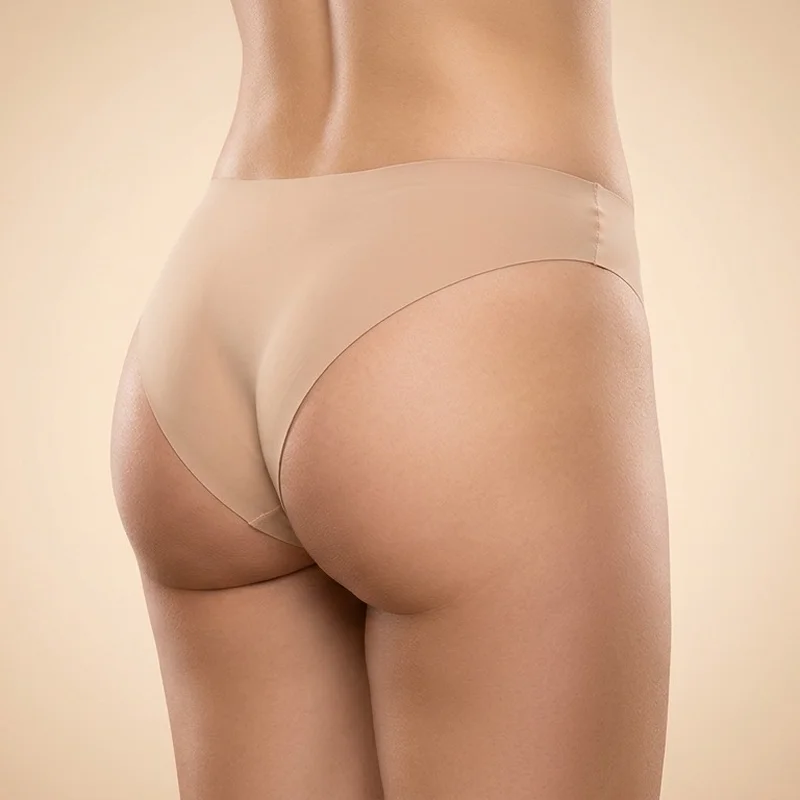
What Is Buttock Lift?
Also known as: Bum Lift · Gluteoplasty
A buttock lift is body contouring surgery that firms and reshapes the buttocks by removing loose, redundant skin and repositioning the tissue that remains. It treats sagging rather than size, so it tightens and lifts what is already there instead of adding projection. The incision usually sits along the lower back, within the underwear line. Surgery commonly takes about 2 to 3 hours under general anaesthesia, and the structural change is lasting once your weight stays stable.
Most people who consider this have come through major weight loss and are left with skin that no amount of exercise will tighten. That is a hard place to be, having done the work and still not recognising the shape in the mirror. Your surgeon studies your tissue and skin quality and plans the lift around what your body needs.
It helps to know the scar is part of the trade here for a smoother contour, and it fades over many months rather than disappearing. How much can safely be lifted depends on your skin, so the honest picture comes from a proper consultation rather than a promise made in advance.
It can address a range of concerns, including:
Am I a Good Candidate for Buttock Lift?
A buttock lift solves a very specific problem, so suitability rests on what your tissue needs and what you can commit to.
The defining question is whether your problem is excess skin or missing volume, because this procedure only fixes one of them.
Excess, sagging skin: Good candidates have loose, redundant tissue after major weight loss or ageing that exercise cannot correct.
No added projection: A lift tightens and repositions, it does not add volume. If you want a fuller shape, fat transfer (BBL) is the right procedure, the two address opposite problems.
Auto-augmentation option: Patients wanting lift plus modest volume may suit an auto-augmentation technique that repositions their own tissue, with no implants or fat transfer.
Because the lift removes a calculated amount of skin, your weight needs to be where it will stay.
Six months stable: Surgeons want your weight settled for at least six months before operating.
Not mid-journey: Within 12 months of major weight loss, further loss leaves fresh sagging below the repair. It pays to wait until your weight has genuinely landed.
Maintained afterwards: Significant gain or loss after surgery stretches or deflates the result, so the lift assumes long-term stability.
This is excisional surgery, and surgeons need to know you accept the trade it involves.
A permanent scar: The incision runs horizontally along the lower back, positioned within the underwear line. It fades substantially but never disappears.
12-18 months of maturing: Scars start red or pink and settle to paler, flatter lines over 12-18 months, continuing to improve for up to two years.
Scar history matters: Keloid formation or poor scar healing in your history is a caution, given the long, visible incision pattern.
The incision sits in a high-tension, weight-bearing zone, so recovery discipline directly affects the outcome.
No direct sitting: You must avoid sitting on the buttocks for the first 2-3 weeks, then use a cushion for several more, protecting the incision from tension.
Drains and follow-up: Drains stay in for around 5-7 days, and you need 10-14 days in Thailand for monitored healing before flying home.
A slower return: Desk work from week 3-4, gym work from week 6-8, and high-impact activity only after 3 months.
Who is not suitable for buttock lift?
- Anyone wanting volume rather than a lift
- Patients within 12 months of major weight loss
- Keloid or poor scar healing history
- Unable to avoid direct sitting for 2-3 weeks, then cushion use for several more
- Smokers unwilling to stop four weeks before surgery
- Unstable weight
- Significant uncontrolled heart or lung disease, or otherwise not medically fit for general anaesthesia
- Uncontrolled diabetes or very high BMI, which impair healing of the long incision
- Currently pregnant or planning pregnancy, which stretches the repair
Pricing
How Much Will Buttock Lift Cost in Thailand?
What buttock lift costs at accredited hospitals in Thailand, and what your final quote depends on.
Get your exact price
Tell us what you're considering and we'll send a personalised quote from accredited hospitals within 24 hours.
Get my free quoteTypical prices in Thailand
Typical ranges based on recent hospital quotes. Your exact price depends on the hospital and how complex your case is, and is confirmed at your teleconsultation.
Buttock Lift
How much loose skin needs removing, and whether the thighs and abdomen are involved, decides which of these you need.
| Isolated buttock lift Removes loose skin across the upper buttock and lifts the contour | $3,000 to $4,500 ฿102,000 to ฿153,000 |
| Extended buttock lift with thigh contouring Adds work on the back or outer thighs in the same operation | $4,000 to $5,500 ฿136,000 to ฿187,000 |
| Lower body lift (belt lipectomy) Goes right around the body, treating abdomen, flanks, buttocks and thighs | $5,500 to $8,000 ฿187,000 to ฿272,000 |
Get your exact price
Tell us what you're considering and we'll send a personalised quote from accredited hospitals within 24 hours.
Hospitals Trusted for Buttock Lift
From internationally accredited flagships to dedicated specialist hospitals, these are the kinds of facilities where international patients have this procedure.
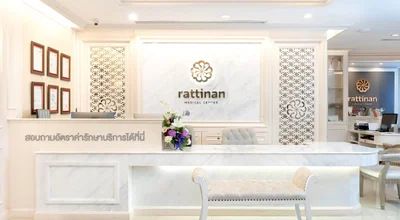
Rattinan Clinic
A specialist body contouring clinic in central Bangkok with over 14,000 BodyTite treatments performed.
View hospital profile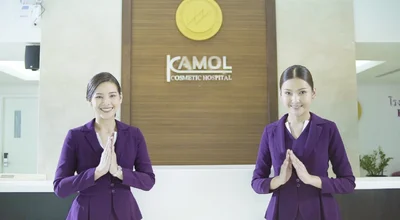
Kamol Cosmetic Hospital
The only specialist cosmetic surgery hospital in Thailand to hold JCI accreditation.
View hospital profile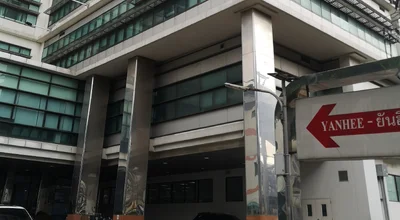
Yanhee International Hospital
A 400-bed hospital known worldwide for high-volume cosmetic surgery.
View hospital profile
Get a Free Quote in Two Minutes
Tell us what you're considering. We'll match you with suitable specialists and provide real hospital pricing.
- Honest pricing with no markups
- Matched to a specialist for your procedure
- No obligation, no pressure


Rated 5 stars by our patients
The complete guide to Buttock Lift in Thailand
Everything below is for readers who want the full detail: costs broken down, types and techniques, recovery, risks and safety, and planning your trip.
Buttock Lift Surgeons & Clinics in Thailand
Surgeon selection matters particularly for body contouring, where scar placement and wound closure technique have a direct impact on long-term results. Here is what to prioritise.
Leading Hospitals in Bangkok
Our partner hospitals are JCI-accredited international facilities in Bangkok with dedicated plastic surgery departments. They handle body contouring cases regularly, not as an occasional sideline. Full in-house support means that if a complication arises during recovery, you are minutes from your surgical team rather than hours from the nearest appropriate facility.
Experienced Body Contouring Surgeons
Our partner surgeons hold certification from the Thai Board of Plastic and Reconstructive Surgery. Several trained internationally, fellowships in the US, UK, or Australia, and returned to Thailand where the volume of body contouring cases is consistently higher. That combination of formal training and daily operating experience is what separates competent surgeons from truly experienced ones.
What to Look for in a Surgeon
When we match you to a partner surgeon, we look at experience specific to buttock lifts rather than general body contouring alone, and at their track record with post-bariatric patients, where the tissue handling is different. We can share before-and-after photos of relevant cases during your consultation so you can see the kind of work each surgeon does. A reputable surgeon will never guarantee a specific result without first assessing your anatomy, which is exactly why your plan is set during consultation rather than promised in advance.
Understanding Your Results
A buttock lift produces permanent structural changes, but the timeline to final results is longer than many patients expect. Here is what realistic outcomes look like.
Typical Buttock Lift Results
The procedure removes sagging skin, lifts the gluteal crease, and restores a smoother transition from lower back to upper thigh. Patients who had significant skin redundancy see the most dramatic change. The result is proportional rather than augmented, this is about restoring shape, not adding volume. Scars are permanent but sit within the underwear line, maturing over 12–18 months and continuing to improve for up to two years.
What Results Can You Expect?
The initial improvement is visible within weeks, but swelling obscures the final contour for several months. By month 6, most patients see their definitive shape. Your surgeon will use clinical photography during consultation to plan the excision pattern and discuss what degree of lift is achievable given your tissue quality and skin elasticity. The limiting factor is usually how much skin can be safely removed without creating excessive wound tension.
Buttock Lift Cost in Thailand
Average Cost of a Buttock Lift
A buttock lift in Thailand typically costs between $3,000 and $8,000 depending on the extent of skin removal, whether adjacent areas are included, and the hospital. An isolated upper buttock lift sits at the lower end, while a full lower body lift or combined procedure costs more. All quotes should itemise surgeon fees, hospital costs, and anaesthesia separately.
Cost Breakdown
The surgeon's fee reflects the technical complexity and operating time. Hospital and theatre fees cover the facility, equipment, nursing support, and your overnight stay. Anaesthesia fees include the anaesthetist and intraoperative monitoring. Aftercare covers follow-up visits, wound checks, medications, and coordinator support during your recovery in Thailand.
What Affects the Price?
The main variables are the extent of skin removal and whether the procedure is performed in isolation or combined with other contouring work. A circumferential lower body lift costs significantly more than an isolated buttock tuck because of the longer operating time and more complex recovery. Surgeon seniority and hospital tier also affect pricing, though not as dramatically as procedure scope.
Thailand vs International Price Comparison
A buttock lift in Thailand costs 40–60% less than equivalent procedures in the US ($8,400–$15,000), Australia (A$7,800–A$13,500), and the UK (£6,600–£11,400). The difference reflects Thailand's lower facility and staffing costs, not lower surgical standards. Our partner hospitals hold JCI accreditation and our partner surgeons are certified by the Thai Board of Plastic and Reconstructive Surgery.
Surgical vs Non-Surgical Buttock Lift
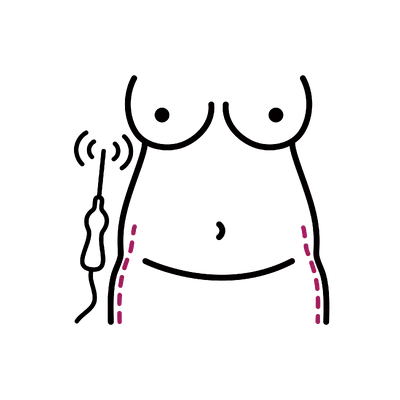
Energy-based skin tightening is the non-surgical route people compare against a buttock lift. Radiofrequency and focused ultrasound devices heat the deeper layers of the skin to stimulate collagen and firm the surface gradually over a few months, with no incision and no real downtime. For mild looseness or early laxity in someone who has not been through major weight loss, it can genuinely take the edge off and improve skin texture and tone.
What it cannot do is the actual lift. These devices tighten skin by a modest degree; they cannot remove the hanging, redundant skin left after significant weight loss, reposition tissue, or restore the gluteal crease. The effect is partial and temporary, fading as collagen turns over, so it needs repeat sessions to maintain, and on heavily stretched or deflated skin the change is too small to notice.
When the problem is loose, excess skin rather than slightly soft tone, a surgical buttock lift is the only route to a lasting, structural result, and that is what the rest of this page covers.
Types of Buttock Lift
The right approach depends on where the skin laxity is worst, how much tissue needs removing, and whether surrounding areas are also affected. A targeted upper lift and a full circumferential procedure are very different operations.
Traditional Buttock Lift
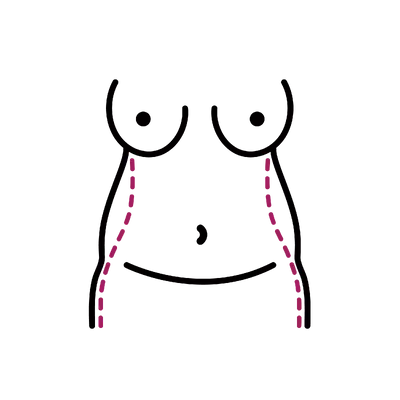
The standard approach for moderate to severe sagging concentrated in the upper buttock. A horizontal incision along the lower back removes excess skin and lifts the remaining tissue upward. The scar sits within the underwear line, maturing over 12–18 months and continuing to improve for up to two years.
- Addresses upper and lateral buttock drooping
- Removes the most skin of any isolated buttock procedure
- Scar follows the waistband and is concealable under clothing
- Best for: patients with upper buttock sagging after weight loss or ageing
Lower Body Lift (Belt Lipectomy)
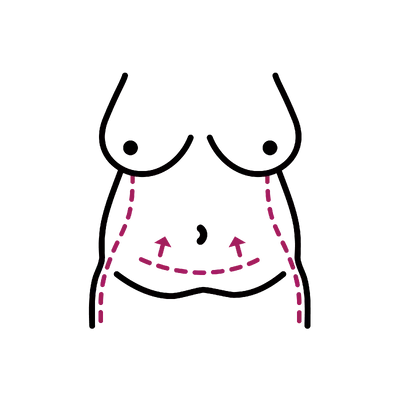
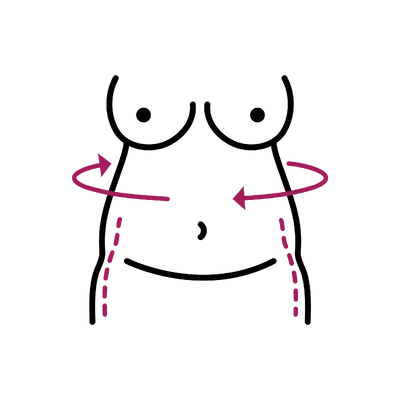
A circumferential procedure that treats buttocks, hips, outer thighs, and abdomen in a single operation. The incision wraps around the entire torso. More extensive than an isolated buttock lift, but eliminates the need for multiple surgeries when laxity is widespread.
- Addresses 360 degrees of lower torso skin excess
- Combines abdominoplasty and buttock lift into one operation
- Longer operating time and recovery but fewer total procedures
- Best for: post-bariatric patients with skin laxity affecting the entire lower trunk
Spiral Thigh-Buttock Lift
Targets the junction between buttock and inner thigh, following a spiral incision path. Useful when sagging extends down the posterior thigh rather than sitting purely in the upper buttock. Less common but solves a specific problem that a standard lift misses.
- Lifts buttock and posterior thigh tissue simultaneously
- Addresses laxity that wraps from gluteal crease to inner thigh
- More targeted than a full body lift with less overall downtime
- Best for: patients with combined buttock and thigh sagging
Buttock Lift Techniques
Technique selection comes down to tissue quality, the amount of skin to remove, and whether the surgeon needs to reposition deeper structures or just excise surface redundancy.
Excision and Suspension
The workhorse technique. Excess skin is excised and the remaining tissue is suspended to deeper fascial layers with internal sutures, reducing tension on the wound closure. This anchoring step is what prevents the scar from widening and keeps the lift from settling over time.
- Internal sutures anchor tissue to fascia for lasting lift
- Reduces wound tension and improves scar quality
- Standard approach for most isolated buttock lifts
- Best for: moderate laxity where long-term scar quality matters
Auto-Augmentation Lift
During the lift, a flap of the patient's own tissue is repositioned beneath the skin to add modest projection rather than just tightening. No implants or fat transfer involved, the volume comes from tissue that would otherwise be discarded. Adds shape without the risks of foreign material.
- Uses existing tissue to add projection during the lift
- No implants, no fat transfer, no donor site
- Combines reshaping and volume restoration in one step
- Best for: patients who want both lift and modest volume improvement
Combined Liposuction and Lift
Liposuction is performed alongside the excision to refine contour in adjacent areas, flanks, outer thighs, or lower back. The sequencing matters because aggressive liposuction near the lift site can compromise blood supply, so the surgeon needs to plan carefully.
- Refines surrounding areas for a more proportional result
- Liposuction kept away from direct lift zone to protect blood supply
- Common addition when flanks or love handles also need attention
- Best for: patients who need both skin removal and fat reduction in adjacent areas
Progressive-Tension (Drainless) Closure
Rather than relying on drains alone, the surgeon places rows of internal quilting sutures that anchor the skin flap to the deeper tissue along the whole closure, closing off the space where fluid would otherwise collect. Because the buttock lift sits in a high-tension, fluid-prone zone, this technique is increasingly used to lower seroma risk and, in some cases, reduce or remove the need for drains entirely.
- Internal quilting sutures close off dead space to limit fluid collection
- Spreads wound tension along the closure, supporting scar quality
- Can reduce or remove the need for post-operative drains
- Best for: patients wanting to lower seroma risk and ease drain management
Buttock Lift Recovery Timeline
Week 1
Significant swelling and bruising across the buttock and lower back. You will sleep on your stomach or side and avoid sitting directly on the surgical area. Gentle walking starts on day one to prevent blood clots.2 Drains are typically removed within 5–7 days at your follow-up appointment.
Weeks 2–4
Bruising fades and swelling begins to reduce visibly. Most patients can manage daily tasks independently and sit on a cushion for short periods. You can fly home after 10–14 days once your surgeon confirms wound healing is progressing well.
Months 1–3
Gradual return to desk work and light exercise. The lifted contour becomes increasingly defined as deeper swelling resolves. Avoid heavy lifting and high-impact activity until your surgeon clears you, typically around week 6–8.
Month 6+
Scars mature from red or pink to paler, flatter lines over 12–18 months. Your final shape is stable by this point, assuming your weight remains consistent. Scars continue improving for up to two years.
When Can You Fly After a Buttock Lift?
Most patients can fly 10–14 days after surgery, once drains are removed and wound healing is confirmed at a follow-up appointment. Use a cushion to avoid direct pressure on the incision during the flight. Mild swelling may temporarily increase due to cabin pressure and prolonged sitting, this is normal and settles within a day or two of landing.
When Can You Return to Work and Exercise?
Desk work is possible from week 3–4 with a cushion, though standing or walking jobs may need 6 weeks. Light walking is encouraged from day one. Gym workouts and lower-body exercise should wait until week 6–8. High-impact activities, heavy squatting, and contact sports should be avoided for at least 3 months to protect the repair.
When Will You See Final Results?
You will see a clear improvement once initial swelling subsides at around 4–6 weeks, but the final contour takes 6 months to fully emerge. Scars mature over 12–18 months and continue improving for up to two years. Weight stability is essential, gaining or losing significant weight after surgery will affect the result.
Does a Belt Lipectomy Take Longer to Recover Than an Isolated Lift?
Yes. An isolated traditional buttock lift follows the milestones above: drains out around day 5–7, desk work from week 3–4, gym from week 6–8, and high-impact activity at 3 months. A circumferential lower body lift (belt lipectomy) carries a longer incision, more undermining, and usually two or more drains, so the timeline shifts later. Plan 14–21 days in Thailand rather than 10–14, expect drains for 1–2 weeks, desk work closer to week 4–6, gym from week 8–10, and high-impact activity at 3–4 months. The final contour and scar maturation run on a similar 6-month and up-to-two-year schedule for both, but the early recovery and drain burden are heavier with the circumferential procedure.
Anaesthesia for a Buttock Lift
A buttock lift in Thailand is performed under general anaesthesia, so you are fully asleep and feel nothing throughout. A consultant anaesthetist stays with you for the whole operation and monitors you continuously, which is standard at the accredited hospitals we work with. Because the procedure involves a long incision, careful repositioning of tissue, and often 2 to 3 hours of operating time, general anaesthesia is the right and expected choice here rather than sedation alone.
Where a buttock lift is combined with a thigh lift, tummy tuck, or a full lower body lift, the operating time is longer, and your anaesthetist plans the dose and your fluid and temperature management around that. The surgeon and anaesthetist decide the final plan together, based on the extent of the surgery and your medical history.
Before you are cleared for anaesthesia you have a pre-operative assessment, including blood tests and a review of any medications you take, since some blood thinners need pausing first. You feel nothing during the surgery itself. When you wake, the soreness is concentrated along the incision and feels more like tightness and pressure than sharp pain, and it is well controlled with the medication your surgeon prescribes.
Risks and Safety of Buttock Lift Surgery
All surgery involves risk. A buttock lift is generally safe when performed by board-certified surgeons at accredited hospitals, but the high-tension wound location makes certain complications more relevant than with other procedures.
- Wound separation along the incision line (the most common issue given wound tension)
- Partial skin or flap necrosis, where the wound edge loses blood supply in this high-tension, weight-bearing zone after wide undermining1
- Seroma or fluid collection beneath the skin flap1
- Haematoma requiring drainage
- Infection at incision sites (mitigated by prophylactic antibiotics)
- Widened or hypertrophic scarring over time
- Contour irregularity, a step or shelf along the incision, or dog-ear puckering at the incision ends
- Asymmetry between left and right sides
- Temporary or prolonged numbness in the buttock area from stretching or injury of the superior cluneal or posterior cutaneous nerves crossing the incision1
- Deep vein thrombosis (reduced by early walking and compression)1,2
The incision sits in a high-tension, weight-bearing zone, which is why wound healing complications are more common with buttock lifts than with many other body procedures. Surgeon technique, particularly tension-reducing closure and proper drain placement, makes a measurable difference in complication rates.
Is a Buttock Lift Safe in Thailand?
A buttock lift in Thailand is performed at JCI-accredited hospitals by surgeons certified by the Thai Board of Plastic and Reconstructive Surgery. JCI is the same international accreditation standard used by leading private hospitals worldwide, and Thailand's top facilities maintain strict infection-control protocols and dedicated plastic surgery departments.
How to Reduce Your Risk
Choose a JCI-accredited hospital, this is the single most important step. Confirm your surgeon is certified by the Thai Board of Plastic Surgery with specific experience in post-weight-loss body contouring. Pre-operative blood work and health screening identify any healing concerns before surgery. Follow post-operative sitting restrictions and drain care instructions carefully, as these have a direct impact on wound healing in the buttock area.
When Is Revision Surgery Needed?
Revision may be needed if wound separation leads to widened scarring, if asymmetry is significant once swelling resolves, or if skin laxity recurs after substantial weight fluctuation. Most concerns about scar width or contour should be assessed no earlier than 12 months post-surgery, once tissues have fully matured. Minor scar revision is the most common secondary procedure.
Planning Your Trip to Thailand for a Buttock Lift
Most patients need 10–14 days in Thailand. Here is how to structure your trip for a buttock lift.
How Long to Stay in Thailand
Plan for a minimum of 10–14 days. This covers your pre-operative consultation (day 1–2), the surgery itself, 1–2 nights in hospital, drain removal around day 5–7, and a final follow-up before you are cleared to fly. Patients having a circumferential lower body lift should plan for 14–21 days, as the recovery is more involved.
What's Included in a Medical Trip
Your care coordinator handles hospital transfers, surgery scheduling, interpreter services if needed, and all post-operative follow-up appointments. A typical surgical quote covers surgeon fees, anaesthesia, hospital stay, and aftercare, though exact inclusions are set by the clinic and confirmed in writing in your quote. Flights and accommodation are arranged separately, though your coordinator can recommend nearby hotels suited to post-surgical recovery.
Recovery in Bangkok vs Phuket
Stay in Bangkok for the full recovery period. Buttock lift patients need close monitoring for drain management, wound healing checks, and sitting restrictions, all of which require proximity to your surgical team. Moving to Phuket after the first week puts distance between you and your surgeon at a point when wound complications are most likely to surface.
Related Procedures
Other procedures that address similar goals or conditions, in case one of them is a closer fit for you.
Planning your treatment in Thailand
Independent guides to help you weigh the decision, before you commit to anything.
Common Questions About Buttock Lift
Everything you need to know before your procedure

Medical References
Keep researching with AI
Open this guide in your AI assistant to dig deeper and ask the questions it didn't answer.
Opens in a new tab with this guide already loaded.
Medical disclaimer: This information is for educational purposes only and does not replace professional medical advice. Individual results, recovery times, and suitability vary. Always consult a qualified surgeon before making decisions about treatment.
Ready to Get Started?
No-obligation consultation and quote within 24 hours. Speak with a coordinator who can match you to the right surgeon and hospital.
Speak to Our Team