Why Sitting Is Restricted After a BBL
When fat is transferred to the buttocks during a Brazilian Butt Lift, the injected fat cells need time to establish connections to nearby blood vessels. This process, called neovascularisation, is essential for the long-term survival of the grafted fat.
Sitting places direct pressure on the buttocks, which can compress the newly transferred fat cells and restrict blood flow to the area. During the first few weeks, when the fat is most vulnerable, sustained pressure can reduce the percentage of fat that successfully integrates. This is why surgeons universally recommend avoiding direct sitting during the initial recovery phase.
The restriction is not about comfort. Many patients feel well enough to sit normally within days of the procedure. The limitation exists specifically to protect the viability of the transferred fat and preserve the final result.
How to Sit During Recovery
When sitting is necessary during the recovery period, a BBL pillow (also called a booty pillow) is used. This specially designed cushion supports your weight on the back of your thighs rather than your buttocks, keeping pressure off the grafted area.
Most surgeons recommend using a BBL pillow for all sitting during the first 6 to 8 weeks. When driving or using the toilet, some patients place a rolled towel under their thighs to achieve a similar off-loading effect. Short periods of modified sitting for meals or travel are generally acceptable, but prolonged sitting should be avoided even with a pillow during the first two to three weeks.
Consult your surgeon about their specific sitting protocol, as recommendations can vary based on the volume of fat transferred and individual healing factors.
Sleeping Position After a BBL
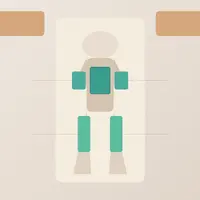
Sleep position matters for the same reason sitting does. Lying on your back places the full weight of your body on the buttocks for extended periods. During the first two to three weeks, you should sleep on your stomach or side to avoid sustained pressure on the surgical area.
Some patients find a pregnancy pillow helpful for maintaining a side-sleeping position throughout the night. Others use a firm pillow between or under their knees for comfort while sleeping on their front.
After the initial strict period, many surgeons allow patients to gradually return to back sleeping. The transition should be guided by your surgeon's recommendations rather than comfort level alone.
The Science Behind the Restriction
Research on fat graft survival has shown that mechanical pressure during the early post-transfer period reduces the formation of new blood vessels within the grafted tissue. Without adequate blood supply, fat cells cannot receive the oxygen and nutrients they need to survive, leading to higher rates of reabsorption.
Studies comparing outcomes with and without strict sitting protocols have demonstrated measurably better fat retention in patients who adhere to the recommended restrictions. The difference can be significant, with some research suggesting that proper post-operative positioning contributes to preserving an additional 10 to 15 percent of the transferred volume.
Returning to Normal Activities
The sitting restriction is temporary. Most patients can resume normal sitting without a pillow at around 8 weeks, though some surgeons extend this to 10 or 12 weeks depending on the case. By this point, the surviving fat has established sufficient blood supply to withstand normal daily pressure.
When comparing BBL vs implants, the sitting restriction is unique to fat transfer procedures. Implant patients have different post-operative protocols because the concern is implant positioning rather than fat cell survival.
Returning to desk work, long flights, or extended driving should be discussed with your surgeon and planned according to your individual recovery timeline.