Lip Lift in Thailand Your guide to cost, top surgeons & hospitals
A well-proportioned upper lip changes a face quietly, less distance, more definition, and nothing that looks like it was added.
What Is Lip Lift?
Also known as: Lip Surgery · Subnasal Lip Lift
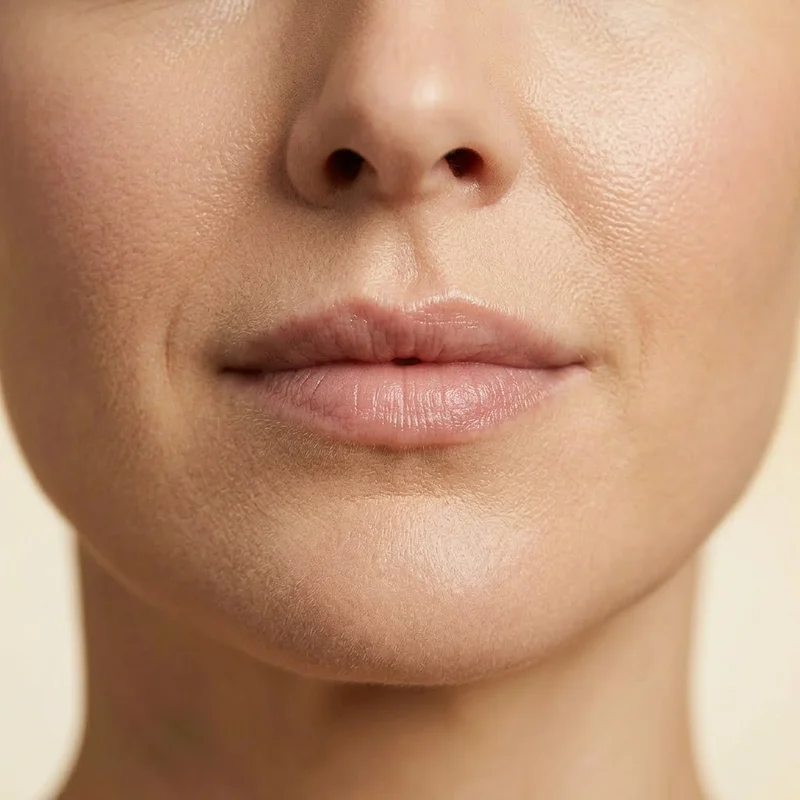
A lip lift is surgery that shortens the upper lip by removing a small strip of skin beneath the nose and lifting the lip border upward1. Taking out roughly 3 to 5mm reduces the philtrum, the gap between nose and lip, and rotates more of the vermilion, the pink lip, into view. The result is usually a fuller-looking upper lip, a sharper cupid's bow, and a little more tooth show at rest. This repositions the lip rather than adding volume the way fillers do, and once healed it stays. The incision sits in the crease at the nose base, done under local anaesthesia in 30 to 60 minutes.
It is a small operation, but it sits where people look directly, so the worry most patients raise is the scar. That comes down to how carefully the skin is removed and closed, which is why surgeon choice matters here.
For most people a measured lift reads more naturally than an aggressive one, and taking too much is hard to undo. A consultation is the place to confirm whether shortening the philtrum suits your face, or whether fillers would serve you better.
It can address a range of concerns, including:
Am I a Good Candidate for Lip Lift?
A lip lift succeeds or fails on skin quality and healing, so here is what surgeons assess before agreeing to operate.
Good candidates have a positional problem with the upper lip that shortening the philtrum reliably corrects.
Elongated philtrum: A long gap between nose and upper lip that flattens or ages the face responds directly to removing 3-5mm of skin.
Thin vermilion at rest: Minimal visible pink lip improves because the lift rotates more vermilion into view, without adding any volume.
Little tooth show: Increased tooth show with the mouth relaxed is one of the most reliable changes the procedure delivers.
Faded cupid's bow: Definition lost over time sharpens as the lip is repositioned.
Because the scar sits in plain view beneath the nose, your skin's healing behaviour is the main suitability question.
Scarring history: A history of keloid or hypertrophic scarring, especially on the face, is a significant caution flag for this procedure.
Skin type: Surgeons review healed results across skin types; thin or pale skin may suit the more conservative Italian technique with its two shorter incisions.
Scar acceptance: You need to be comfortable that a fine line beneath the nose is permanent, even though it typically fades to near-invisible over 3-6 months.
The upper lip relies on a specific blood supply, so general health and habits weigh heavily in the assessment.
Smoking: Smoking directly impairs the fine scar healing on the upper lip; you need to stop at least 4 weeks before surgery.
Cold sores: Frequent cold sores around the mouth need antiviral pre-treatment arranged before surgery can be scheduled safely.
Oral health: No active cold sores or oral infections at the time of surgery.
Recent isotretinoin: Accutane within the past 12 months impairs wound healing, so surgery is deferred until you are well clear of it.
Recent filler: Lip filler within the past 4 weeks needs to settle before assessment and surgery.
Surgeons look for patients who understand exactly what a lip lift changes, and what it does not.
Philtrum length: This suits an elongated philtrum; an already-short philtrum is not a candidate, since further shortening over-corrects and shows excess gum.
Position, not volume: This is a positional change with more lip show, not filler-style fullness; if your issue is lip volume, fillers address that instead.
Permanence: Skin is physically removed and the result does not reverse, so the decision needs to be settled before surgery.
Scar patience: The incision takes 3-6 months to mature; judging the result before three months is premature.
Conservative goals: Over-correction is very difficult to reverse, so wanting a measured change is a good sign.
Who is not suitable for lip lift?
- Smokers unwilling to stop four weeks before surgery
- History of keloid or hypertrophic scarring, especially on the face
- Frequent cold sores not pre-treated with antivirals
- Expecting filler-like fullness rather than a positional change
- Already-short philtrum, where further shortening would over-correct and leave excess gum show
- Isotretinoin (Accutane) use within the past 12 months, which impairs wound healing in facial surgery
- Lip filler injections within the past 4 weeks
Pricing
How Much Will Lip Lift Cost in Thailand?
What lip lift costs at accredited hospitals in Thailand, and what your final quote depends on.
Get your exact price
Tell us what you're considering and we'll send a personalised quote from accredited hospitals within 24 hours.
Get my free quoteTypical prices in Thailand
Typical ranges based on recent hospital quotes. Your exact price depends on the hospital and how complex your case is, and is confirmed at your teleconsultation.
Lip Lift
Which lift suits you comes down to how long your upper lip is and whether the corners of your mouth turn down, both measured at consultation.
| Bullhorn (subnasal) lip lift Shortens the upper lip with the scar hidden under the nose | $1,200 to $1,800 ฿40,800 to ฿61,200 |
| Italian lip lift A gentler lift made through two smaller incisions | $1,200 to $1,600 ฿40,800 to ฿54,400 |
| Corner lip lift Lifts downturned mouth corners rather than shortening the upper lip | $800 to $1,200 ฿27,200 to ฿40,800 |
| Combined bullhorn and corner lift Both the upper lip and the mouth corners treated in one operation | $1,800 to $2,400 ฿61,200 to ฿81,600 |
Get your exact price
Tell us what you're considering and we'll send a personalised quote from accredited hospitals within 24 hours.
Hospitals Trusted for Lip Lift
From internationally accredited flagships to dedicated specialist hospitals, these are the kinds of facilities where international patients have this procedure.

Masterpiece Hospital
A cosmetic surgery specialty hospital in Bangkok focused on facial contouring, rhinoplasty and eyelid work.
View hospital profile
Kamol Cosmetic Hospital
The only specialist cosmetic surgery hospital in Thailand to hold JCI accreditation.
View hospital profile
Bumrungrad International Hospital
Southeast Asia's flagship private hospital, treating over 520,000 international patients a year.
View hospital profile
Get a Free Quote in Two Minutes
Tell us what you're considering. We'll match you with suitable specialists and provide real hospital pricing.
- Honest pricing with no markups
- Matched to a specialist for your procedure
- No obligation, no pressure


Rated 5 stars by our patients
The complete guide to Lip Lift in Thailand
Everything below is for readers who want the full detail: costs broken down, types and techniques, recovery, risks and safety, and planning your trip.
Lip Lift Surgeons & Clinics in Thailand
A lip lift is one of those procedures where the gap between a good result and a poor one is almost entirely about the surgeon. The technique is not complex, but the execution must be precise.
Leading Hospitals in Bangkok
Our partner hospitals are JCI-accredited international facilities with dedicated plastic surgery departments and full sterile operating suites. Even for a procedure this short, using an accredited hospital rather than a standalone clinic means proper sterile technique, monitoring, and the infrastructure to manage any complication without transferring elsewhere.
Experienced Lip Lift Surgeons
Our partner surgeons hold Thai Board certification in plastic and reconstructive surgery, which is the local equivalent of ABPS, GMC specialist registration, or FRACS. Several have trained in perioral and facial aesthetics specifically. For a lip lift, what matters most is the surgeon's closure technique and their portfolio of healed scars at six months or beyond, not just fresh post-operative images where everything still looks tight and clean.
What to Look for in a Surgeon
Ask for before-and-after photos showing the scar at three to six months, not at one week. A freshly sutured lip lift always looks neat. The real test is how the scar matures. Check that the surgeon performs lip lifts regularly rather than occasionally, and that they can show you multiple healed examples on different skin types. If a surgeon cannot produce long-term scar photos, that is a reason to keep looking.
Understanding Your Results
A lip lift produces a permanent structural change that is visible immediately, but the scar component means the final aesthetic result takes months to fully settle.
Typical Lip Lift Results
The philtrum shortens by 3–5mm, which sounds modest but has a pronounced visual effect. More upper lip vermilion becomes visible, the cupid's bow gains definition, and tooth show at rest increases to a more youthful proportion. The upper lip appears fuller without any volume having been added, it is purely a positional change. On the right patient, it can take years off the lower face.
What Results Can You Expect?
The lift is apparent as soon as swelling resolves, usually within the first week. The shape continues to refine as tissue settles over the following month. The scar is the variable that takes longest, expect it to be pink and slightly visible for the first two to three months, then gradually fade into the natural crease at the nose base. By six months, most patients report that the scar is not something other people notice. During consultation, your surgeon will measure your philtrum length and discuss how much shortening is appropriate for your proportions.
Lip Lift Cost in Thailand
Average Cost of a Lip Lift
A lip lift in Thailand typically costs between $800 and $2,400. A straightforward bullhorn procedure under local anaesthesia sits at the lower end, while cases combining a lip lift with corner work or alar base adjustment approach the upper range. The quote should itemise the surgeon's fee, facility charges, and aftercare so you can see where the cost sits.
Cost Breakdown
The surgeon's fee is the dominant component because this is a precision-driven procedure where technique determines the outcome. Facility fees cover the clinic or hospital room, sterile setup, and nursing support. Anaesthesia is typically local with sedation, which keeps costs lower than general anaesthesia cases. Aftercare covers suture removal, follow-up visits, scar care products, and coordination support during your stay.
What Affects the Price?
The main variables are the type of lip lift, whether additional work is combined, and surgeon seniority. A standalone bullhorn under local anaesthesia is the least expensive. Adding a corner lip lift increases time and cost moderately. If sedation or light general anaesthesia is used, the anaesthesia fee rises. Surgeon experience, particularly a track record of clean, well-healed scars, justifiably commands a higher fee for this procedure.
Thailand vs International Price Comparison
A lip lift in Thailand costs 40–60% less than equivalent procedures in the US ($3,400–$6,000), Australia (A$3,100–A$5,400), and the UK (£2,600–£4,600). The savings reflect Thailand's lower facility and staffing costs, not a difference in surgical quality. Our partner hospitals hold JCI accreditation and surgeons carry Thai Board certification in plastic and reconstructive surgery.
Surgical Lip Lift vs Lip Fillers
Lip fillers are the non-surgical option most people weigh against a lip lift, and they do a genuinely different job. Hyaluronic acid filler injected into the lip body adds volume and plumpness in a few minutes, with no incision and almost no downtime. If your concern is a thin lip that you want fuller, filler addresses that directly, and it can be dissolved if you dislike the result.
What filler cannot do is shorten the philtrum, the gap between nose and lip. Adding volume to a long upper lip often makes it look heavier and more elongated rather than lifted, because the underlying distance has not changed. Filler is also temporary, lasting roughly six to twelve months before it needs topping up, so the cost and the appointments recur indefinitely. There is no version of filler that increases tooth show or sharpens the cupid's bow through repositioning.
A lip lift is the route when the problem is the length of the philtrum and the lack of lip show at rest, not the volume of the lip itself. It physically removes a strip of skin and repositions the border, so the change is permanent and structural rather than topped up every year. Some patients have both, a lift to set the proportion and filler later for fullness, but only surgery shortens the lip.
Types of Lip Lift
There are three main lip lift techniques, and the right one depends on where the problem sits, central philtrum length, corner droop, or both. The bullhorn is by far the most common. The others serve narrower purposes.
Bullhorn (Subnasal) Lip Lift
The standard approach. A wave-shaped incision follows the base of the nose, a strip of skin is removed, and the upper lip is pulled upward and sutured into position. The scar hides in the junction between nose and lip. This is the technique most patients are asking about, and the one that produces the most significant philtrum shortening.
- Shortens the philtrum by 3–5mm depending on anatomy
- Scar sits in the natural crease at the nose base, virtually invisible when well-executed1
- Produces the most noticeable lift of all lip lift variants
- Best for: patients with a long philtrum who want meaningful shortening and increased vermilion show
Corner Lip Lift
Targets the outer corners of the mouth rather than the central lip. Small triangles of skin are removed at each commissure to lift a downturned mouth into a more neutral or slightly upturned position. Often combined with a bullhorn lift when both the philtrum and corners need addressing.
- Corrects a downturned mouth that creates a resting frown
- Small, well-hidden scars at the mouth corners
- Frequently paired with a bullhorn lift for comprehensive improvement
- Best for: patients whose mouth corners droop, giving a tired or unhappy resting expression
Italian Lip Lift
Two small, separate incisions are made beneath each nostril rather than one continuous incision across the base of the nose. The lift is more conservative and the scars are shorter. Suited to patients who want a subtle result or who are concerned about scar visibility across the full philtrum width.
- Two shorter scars rather than one longer incision
- More conservative lift with a subtler outcome
- Lower risk of visible scarring for patients with thin or pale skin
- Best for: patients seeking modest philtrum shortening with minimal scar footprint
Gullwing (Direct) Lip Lift
A less common variant where the incision follows the upper vermilion border, the edge of the pink lip, rather than the base of the nose. A thin strip of skin is removed just above the lip line so the border is lifted and everted, which adds definition to the cupid's bow and the appearance of fullness. The trade-off is real: the scar sits on the lip line itself, so it is harder to hide than a subnasal scar, and most surgeons reserve it for specific cases rather than offering it routinely.
- Incision sits at the lip border, not the nose base, lifting and everting the upper lip edge
- Sharpens the cupid's bow and adds definition rather than shortening the philtrum
- Scar runs along the lip line, so it is more visible than a bullhorn scar
- Best for: selected patients wanting more border definition where a subnasal lift is not the right fit
Lip Lift Techniques
Lip lift technique mostly comes down to incision design and closure method. The differences are subtle but they matter because the scar is the main risk, not the lift itself.
Direct Excision & Layered Closure
The skin strip is excised and the wound is closed in layers, deep dermal sutures first, then fine surface sutures or tissue adhesive. Layered closure distributes tension away from the skin surface, which is the most important factor in scar quality. Surgeons who rush single-layer closure on this procedure often produce wider, more visible scars.
- Multi-layer closure minimises surface tension and scar spreading
- Fine absorbable deep sutures combined with removable skin sutures
- Closure technique is the single largest variable in scar outcome
- Best for: all lip lift patients, this is the standard of care, not an upgrade
Precise Skin Marking & Asymmetry Correction
Pre-operative marking is done sitting upright with the face at rest. The surgeon marks the exact amount of skin to remove on each side, adjusting for any natural asymmetry in the philtrum or nostril base. Even 1mm of difference between sides becomes visible on the upper lip, so this step cannot be approximate. Markings are confirmed with the patient before any incision.
- Upright marking accounts for gravity and natural facial position
- Asymmetry between sides is measured and corrected during planning
- Patient confirms markings before surgery begins
- Best for: every case, asymmetry prevention starts before the scalpel touches skin
Modified Bullhorn with Alar Base Adjustment
In some patients, a standard bullhorn incision is extended slightly to incorporate a minor alar base reduction at the same time, narrowing the nostril width while lifting the lip. This avoids a second procedure and a second scar. Only appropriate when both the philtrum and nostril width need addressing simultaneously.
- Combines philtrum shortening with nostril narrowing in one session
- Single incision line rather than two separate procedures
- Only appropriate when both concerns exist, not routinely added
- Best for: patients who want philtrum reduction and slight nostril narrowing addressed together
Lip Lift Recovery Timeline
Days 1–3
These milestones apply to a standard single-site bullhorn (subnasal) lift. A combined procedure, such as a bullhorn paired with a corner lift, adds bilateral mouth-corner tightness and sensitivity, so expect a few extra days of swelling and a slightly later suture removal within the same 1 to 2 week window. Swelling and tightness across the upper lip are most noticeable during this phase. The area beneath the nose will feel firm and slightly pulled. Discomfort is mild, most patients manage with over-the-counter pain relief after the first day. Cold compresses and keeping your head elevated help control swelling. Eating soft foods and avoiding wide mouth movements protects the incision.
Days 5–7
Sutures are removed at your follow-up appointment. Swelling starts to settle and the initial tightness eases. The scar will be pink and slightly raised at this stage, that is normal. Most patients feel comfortable going out in public, though the incision line is still visible up close. Your surgeon clears you to fly home after suture removal if healing looks good.
Weeks 2–4
The scar begins to flatten and fade from pink toward skin tone.5 Upper lip movement feels progressively more natural as the tissue softens. Mild numbness around the incision area is common and resolves gradually. You can return to all normal activities, though sun exposure on the scar should be avoided.
Months 2–6
The scar matures into a fine line that sits within the nose-lip junction. Most people cannot identify it unless they are looking for it specifically. The lip settles into its final lifted position. Any residual firmness beneath the skin resolves completely by month six.
When Can You Fly After a Lip Lift?
Most patients can fly home 7 days after surgery, once sutures have been removed and your surgeon has confirmed the incision is healing cleanly. A lip lift does not involve deep tissue trauma, so cabin pressure at altitude poses no issue. The scar will still be pink and visible at this stage, but that is cosmetic rather than medical. Some patients prefer to stay a few extra days until the redness settles further.
When Can You Return to Work and Exercise?
Desk work is manageable within 3–5 days for most patients, though the suture line beneath the nose will be visible to colleagues on video calls. Light walking is fine from day one. Vigorous exercise should wait until two weeks post-surgery to avoid elevated blood pressure around the healing incision. Activities involving facial impact, sports, swimming, should be avoided for at least four weeks.
When Will You See Final Results?
The lift itself is visible immediately, you will see shorter philtrum distance and more vermilion show as soon as the swelling drops. But the real question with a lip lift is the scar, not the shape. The incision line settles over the first few months from pink and slightly raised toward a fine line that blends into the nose-lip crease, though a scar can keep maturing and fading for up to two years. Judging your result before three months is premature because scar maturation is still underway.
Anaesthesia for a Lip Lift
A lip lift is a short, surface-level procedure, so it is almost always done under local anaesthetic with light sedation rather than putting you fully under. The area beneath your nose is numbed completely, and the sedation keeps you calm and relaxed, so you stay awake but comfortable and feel no pain while the surgeon works3. A nurse or anaesthetist monitors you throughout, which is standard at the accredited hospitals we work with.
Because you are not under general anaesthesia, recovery afterwards is quicker and you avoid the grogginess that comes with being fully asleep. Your surgeon decides the exact balance of local and sedation based on your medical history and how much work is planned, for instance if a corner lift or alar base adjustment is being combined in the same session.
Before surgery you have a pre-operative assessment, including a review of any medications you take and, if you are prone to cold sores, antivirals arranged in advance. During the lift itself you feel only pressure and movement, not pain. Afterwards the discomfort is mild, more a sense of tightness and pulling across the upper lip than anything sharp, and most patients manage it with over-the-counter pain relief from the second day.
Risks and Safety of Lip Lift Surgery
A lip lift is a small operation, but the stakes are disproportionate to the size of the procedure. The scar is permanent and sits in a visible location, which means complications here are harder to hide than with most facial surgeries.
- Visible or widened scar beneath the nose (the most common concern, directly tied to surgeon technique and closure quality)
- Asymmetry of the upper lip or cupid's bow if skin removal is uneven between sides
- Over-correction leaving the upper lip too short or showing excessive gum (very difficult to reverse)
- Temporary numbness across the upper lip, typically resolving within weeks to months
- Wound infection or delayed healing, particularly in smokers (upper lip blood supply is vulnerable)
- Cold sore (herpes simplex) reactivation triggered by perioral surgery, which can break down the subnasal incision and worsen the final scar if antivirals are not taken4
- Lip stiffness or restricted movement during the early healing phase
The overwhelming majority of dissatisfaction after lip lifts relates to scar visibility, not the lift itself. That single factor makes surgeon selection the most important decision in this procedure. Ask to see healed scar photos at six months, not fresh post-operative images.
Is a Lip Lift Safe in Thailand?
Yes. At JCI-accredited hospitals with board-certified plastic surgeons, a lip lift in Thailand meets the same clinical and safety standards as the US, UK, and Australia. The procedure itself is low-risk. It is performed under local anaesthesia, takes under an hour, and involves no deep tissue dissection. The main concern is aesthetic rather than medical, and that is managed through surgeon selection and precise surgical planning.
How to Reduce Risks
Stop smoking at least four weeks before surgery. The upper lip depends on a specific blood supply pattern, and smoking impairs healing in a way that directly worsens scar quality. Discontinue aspirin, ibuprofen, and blood-thinning supplements two weeks prior. If you have a history of cold sores, tell your care team so antiviral medication can be prescribed preventively. After surgery, follow scar care instructions precisely, silicone strips, sun avoidance, and gentle massage once your surgeon approves it.
When Is Revision Needed?
Revision after a lip lift is uncommon but not unheard of. The most frequent reasons are a scar that healed wider than expected or asymmetry between sides. Under-correction, the lip was not lifted enough, is easier to revise than over-correction, which is one reason conservative surgeons tend to produce better long-term outcomes. Wait at least six months before evaluating whether revision is warranted. Scars continue to mature over that period, and what looks concerning at month two often resolves by month five.
Planning Your Trip to Thailand for a Lip Lift
A lip lift is one of the shortest facial procedures, and the stay in Thailand reflects that. Here is how to structure your trip.
How Long to Stay in Thailand
Plan for a minimum stay of 7 days. Day one covers your consultation and pre-operative assessment, including precise measurements and marking discussion. Surgery is typically scheduled for day two. Recovery over the following days is light, you will be comfortable walking around, eating soft foods, and going about your day with a visible suture line. Sutures come out around day five to seven, and a final check-up clears you to fly home.
What's Included in a Medical Trip
Your care coordinator manages hospital scheduling, transfers, and all follow-up appointments. A typical surgical quote covers the surgeon's fee, anaesthesia, facility charges, suture removal, scar care products, and post-operative support, though exact inclusions are set by the clinic and confirmed in writing in your quote. Flights and accommodation are arranged separately, but your coordinator can recommend hotels close to the hospital and help with bookings. Recovery from a lip lift is light enough that most patients stay in a standard hotel room.
Recovery in Bangkok vs Phuket
Bangkok is the practical choice for the first week. You want proximity to your surgeon for suture removal and the follow-up check, and if anything unexpected comes up with the incision, you are minutes from the hospital. After clearance at day seven, some patients fly to Phuket or the islands for a few days of relaxation before heading home. That works well, the procedure is light enough that beach recovery is perfectly comfortable once sutures are out.
Related Procedures
Other procedures that address similar goals or conditions, in case one of them is a closer fit for you.
Planning your treatment in Thailand
Independent guides to help you weigh the decision, before you commit to anything.
Common Questions About Lip Lift Surgery
Everything you need to know before your procedure

Medical References
- Lip Service A Deep Dive Into the World of Lip Lifts and Other Lip Augmentation Procedures (American Society of Plastic Surgeons)
- How Nicotine Sabotages Plastic Surgery (American Society of Plastic Surgeons)
- Local Anaesthesia (NHS)
- Cold Sores Symptoms Causes and Treatment (Cleveland Clinic)
- Scars (NHS)
Keep researching with AI
Open this guide in your AI assistant to dig deeper and ask the questions it didn't answer.
Opens in a new tab with this guide already loaded.
Medical disclaimer: This information is for educational purposes only and does not replace professional medical advice. Individual results, recovery times, and suitability vary. Always consult a qualified surgeon before making decisions about treatment.
Ready to Get Started?
Speak with our care coordinators for a free, no-obligation consultation and personalised quote.
Speak to Our Team