Alar Reduction in Thailand Your guide to cost, top surgeons & hospitals
Nostril width is one of the smallest details on a face, but it is often the one that makes the biggest difference to overall proportion.
What Is Alar Reduction?
Also known as: Nostril Narrowing · Alarplasty
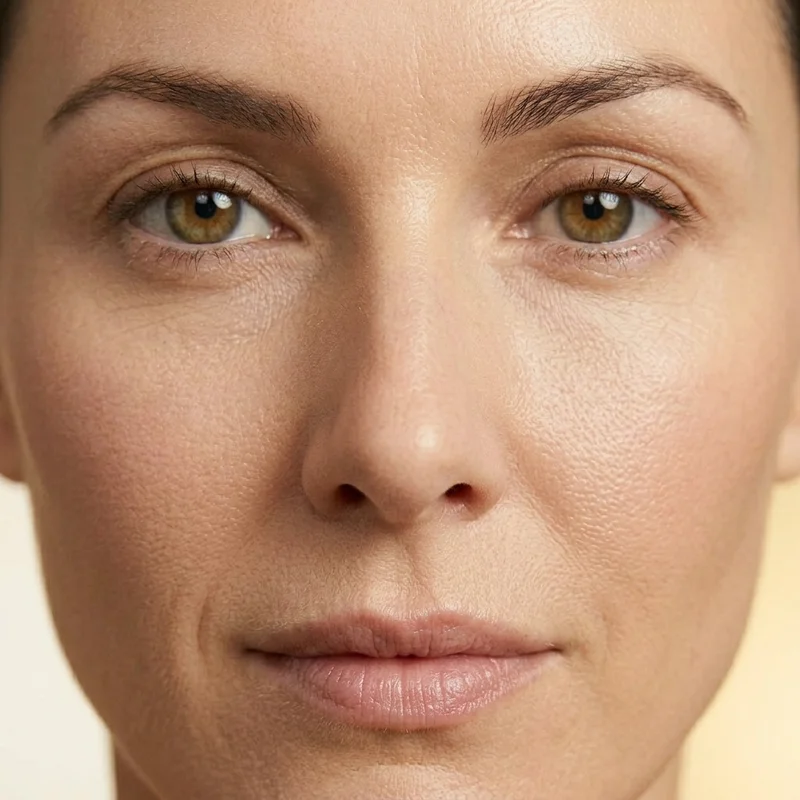
Alar reduction, also called alarplasty, is surgery that narrows the nostrils by removing a small, measured wedge of tissue from the nostril base, the floor inside the nose, or both. It treats nostrils that look wide, flaring that increases when you smile or speak, and uneven nostrils, without touching the bridge or tip. It usually takes 30 to 60 minutes under local anaesthesia with sedation, and the result is lasting once the incisions heal1. It can be done alone or added to a rhinoplasty.
The change here is measured in millimetres, so a small operation carries weight. Where the incision sits decides whether the scar shows, so it is set into the natural crease where the nostril meets the cheek, fading to a fine pale line for most people.
A good alarplasty narrows each side by only a few millimetres, enough to improve proportion without looking pinched. Removed tissue cannot be replaced, so surgeons stay conservative, and the settled shape takes one to three months. A consultation is where you see healed results and check the plan fits.
It can address a range of concerns, including:
Am I a Good Candidate for Alar Reduction?
Good alarplasty outcomes depend on matching a precise technique to the right anatomy, so here is what surgeons assess before agreeing to operate.
A strong candidate has a concern that sits specifically in the nostrils, the one area this procedure is designed to change.
Nostril width: good candidates have nostrils that appear wide relative to the rest of the nose, the core proportion alarplasty corrects.
Flaring on expression: visible flaring that increases when you smile or speak responds well to reduction at the nostril base.
Asymmetry: different amounts of tissue can be removed from each side to bring uneven nostrils into better alignment.
Post-rhinoplasty width: patients whose earlier surgery improved the bridge but left the nostrils unchanged are frequent and well-suited candidates.
Surgeons first confirm the concern is genuinely nostril width, because alarplasty changes nothing above the nasal base.
Bridge or tip concerns: if the real issue is bridge or tip shape, narrowing the nostrils alone will not fix the proportion, and rhinoplasty may be the right operation instead.
Stable structure: candidates need a stable nasal framework, since alarplasty removes tissue rather than rebuilding support.
Previous rhinoplasty: anyone who has had nasal surgery should review the plan with their original surgeon before booking.
Combined cases: when both structure and nostrils need work, alarplasty is added at the end of rhinoplasty so the width matches the new proportions.
Because the incision sits on visible facial skin, how you scar carries unusual weight in the suitability assessment.
Keloid history: keloid or raised scarring near the alar groove is a genuine caution, and the internal excision exists partly for patients who scar easily.
Pigmentation: skin that heals with darker pigmentation may show a visible line in the alar-facial crease.
Smoking status: blood flow to nasal skin drives wound healing and scar quality, so smokers need to stop at least three weeks before surgery.
Conservative approach: good candidates accept that scar quality and careful placement in the natural crease matter more here than in almost any other facial procedure.
The change alarplasty produces is measured in millimetres, and the right candidate wants exactly that.
Subtle but visible: a well-executed reduction narrows each side by a few millimetres, enough to improve proportion without announcing itself.
Permanent and irreversible: removed tissue cannot be replaced, so over-resection cannot be undone; conservative removal is standard practice.
Settling period: the final width takes 1-3 months to establish as scars mature, so nothing should be judged in the early weeks.
Symmetry within reason: noticeable imbalance can be significantly improved, but no face is perfectly symmetrical.
Who is not suitable for alar reduction?
- History of keloid or pigment-changing scars and unwilling to consider the internal (no external scar) technique
- Concern is actually bridge or tip shape rather than nostril width
- Previous rhinoplasty not yet reviewed with the original surgeon
- Smokers unwilling to stop three weeks before surgery
- Active nasal skin infection or inflammatory skin condition over the alar base that must clear before any incision
- Expecting a dramatic transformation rather than millimetre-level refinement
Pricing
How Much Will Alar Reduction Cost in Thailand?
What alar reduction costs at accredited hospitals in Thailand, and what your final quote depends on.
Get your exact price
Tell us what you're considering and we'll send a personalised quote from accredited hospitals within 24 hours.
Get my free quoteTypical prices in Thailand
Typical ranges based on recent hospital quotes. Your exact price depends on the hospital and how complex your case is, and is confirmed at your teleconsultation.
Alarplasty prices
Done under local anaesthetic as a day case, so there is no overnight stay and no general anaesthetic to recover from.
| Alarplasty Day case Narrowing the nostril base, on its own | $1,450 ฿49,000 |
Get your exact price
Tell us what you're considering and we'll send a personalised quote from accredited hospitals within 24 hours.
Hospitals Trusted for Alar Reduction
From internationally accredited flagships to dedicated specialist hospitals, these are the kinds of facilities where international patients have this procedure.

Masterpiece Hospital
A cosmetic surgery specialty hospital in Bangkok focused on facial contouring, rhinoplasty and eyelid work.
View hospital profile
Kamol Cosmetic Hospital
The only specialist cosmetic surgery hospital in Thailand to hold JCI accreditation.
View hospital profile
Bumrungrad International Hospital
Southeast Asia's flagship private hospital, treating over 520,000 international patients a year.
View hospital profile
Get a Free Quote in Two Minutes
Tell us what you're considering. We'll match you with suitable specialists and provide real hospital pricing.
- Honest pricing with no markups
- Matched to a specialist for your procedure
- No obligation, no pressure


Rated 5 stars by our patients
The complete guide to Alar Reduction in Thailand
Everything below is for readers who want the full detail: costs broken down, types and techniques, recovery, risks and safety, and planning your trip.
Alar Reduction Surgeons & Clinics in Thailand
Alarplasty is a small procedure, but the margin for error is tight. Who performs it matters because the difference between a well-placed scar and a visible one comes down to technique and experience.
Leading Hospitals in Bangkok
Our partner hospitals are JCI-accredited with dedicated plastic surgery departments. For a procedure like alar reduction, a hospital setting may seem excessive, but it provides proper sterile theatre conditions, trained nursing staff, and the capacity to manage any complication immediately rather than transferring to another facility.
Experienced Alar Reduction Surgeons
Our partner surgeons hold Thai Board certification in plastic and reconstructive surgery. Many trained overseas with fellowships in South Korea, Japan, or the US before returning to Thailand where the surgical volume for alarplasty is considerably higher. Thai surgeons are particularly experienced with Asian nasal anatomy, where alar reduction is one of the most commonly requested procedures. That familiarity with different tissue types and skin thicknesses is a genuine advantage.
What to Look for in a Surgeon
Ask to see healed alarplasty results, specifically, photos taken at least three months post-operatively where you can assess scar quality, not just nostril width. The single most revealing thing in a surgeon's portfolio is how their scars look at three to six months. Board certification matters, but for alarplasty specifically, scar management and conservative tissue removal are the technical skills that separate a good outcome from a mediocre one.
Understanding Your Results
Alar reduction produces permanent changes to nostril width, and the results are visible almost immediately. Here is what to expect at each stage and what a realistic outcome looks like.
Typical Alar Reduction Results
A well-executed alarplasty narrows the nostril base by a few millimetres on each side, enough to bring the nostrils into better proportion with the rest of the nose and face. The scars, when properly placed, sit in the natural crease between the nostril and cheek and become extremely difficult to detect once healed. The change is subtle but visible, and most people around you will notice something looks different without being able to identify what changed.
What Results Can You Expect?
The narrower nostril shape is apparent within the first week once initial swelling subsides, but the settled result emerges over one to three months as scars soften and tissue firmness resolves. During consultation, your surgeon will assess your nostril width, alar thickness, skin type, and overall nasal proportion to determine how much tissue can be safely removed. Asking to see before-and-after photographs of patients with a similar starting point to yours is the most useful thing you can do during that appointment.
Alar Reduction Cost in Thailand
Average Cost of Alar Reduction
Alar reduction in Thailand typically costs around $1,400. A straightforward single-technique case sits at the lower end, while combined excisions or alarplasty performed alongside rhinoplasty cost more. Your quote should itemise the components so you can see exactly what you are paying for.
Cost Breakdown
The surgeon's fee covers the technical work, measurement, incision planning, tissue excision, and suturing. Facility fees cover the operating room, equipment, and nursing support. Anaesthesia fees cover local anaesthesia and sedation, including the anaesthetist and monitoring. Aftercare includes follow-up visits, suture removal, medications, and coordination during your stay.
What Affects the Price?
The main variable is complexity. A single Weir excision under local anaesthesia is the least expensive. Adding an internal nasal floor excision increases the fee. Combining alarplasty with rhinoplasty raises the total substantially because it becomes a longer procedure under general anaesthesia. Surgeon experience and hospital tier also affect the final figure, a board-certified surgeon at a JCI-accredited hospital costs more than a clinic, but the safety margin is different.
Non-Surgical Alternatives to Alar Reduction
It is worth being clear about what non-surgical treatments can and cannot do here, because the usual nose injectables do not narrow nostrils. Non-surgical, or liquid, rhinoplasty uses hyaluronic acid filler to camouflage a small bump or lift a drooping tip, but filler only adds volume, so it cannot make a wide nostril base smaller. If anything, adding volume around the nose works against the slimmer, more delicate look that alarplasty is designed to create.
Botox is sometimes offered for nostrils that flare on smiling or speaking, by relaxing the small muscles that open the nostrils. It can soften that dynamic flaring a little, but it does nothing for the fixed width of the nostril base at rest, the result is temporary and fades over roughly three to four months, and it needs repeating to maintain any effect. It treats movement, not structure.
Because nostril width is a matter of tissue rather than volume or muscle, narrowing it permanently means removing a measured wedge of tissue, which is exactly what alar reduction does. For a lasting reduction in nostril width or flare, or to balance the nostrils after a previous rhinoplasty, surgery is the route, and that is what the rest of this page covers.
Types of Alar Reduction
There is no one-size-fits-all approach to nostril narrowing. The technique depends on where the width is, whether it is the outer flare, the nasal floor, or a combination, and how much tissue needs removing.
Weir Excision (External Alarplasty)
The most common approach. A crescent-shaped wedge of skin and tissue is removed from the outer base of the nostril where it meets the cheek. This directly narrows the alar base and reduces visible flaring. The scar sits in the natural crease and typically fades within a few months.
- Removes tissue from the outer nostril wall to narrow the base directly
- Scar hidden in the alar-facial groove, nearly invisible once healed
- Most effective for significant flaring or wide nasal base
- Best for: patients whose main concern is nostril width at the base or visible alar flaring
Internal (Nasal Floor) Excision
A wedge of tissue is removed from the floor of the nostril, narrowing the opening from the inside without altering the external contour. The incision is entirely hidden within the nose. Produces less dramatic narrowing than a Weir excision but carries virtually no scar risk.
- Incision hidden inside the nasal floor, no external scar
- Narrows the nostril opening without changing the outer rim shape
- More conservative reduction than external technique
- Best for: patients who want subtle narrowing or who scar easily
Combined Approach
For patients with both a wide alar base and broad nostril openings, surgeons may combine external and internal excisions in the same session. This allows independent control over both the outer width and the internal aperture, producing a more comprehensive reduction than either technique alone.
- Addresses both outer flaring and internal nostril width simultaneously
- Gives the surgeon independent control over two dimensions of narrowing
- Slightly longer recovery than a single technique but still a day case
- Best for: patients who need both base narrowing and aperture reduction for proportional results
Alar Reduction Techniques
The technique your surgeon chooses depends on where the excess width sits, how thick the alar tissue is, and how much narrowing is needed. Here is what is commonly used and when each method applies.
Alar Cinch Suture
Rather than removing tissue, an internal suture draws the alar bases closer together across the nasal floor. No tissue is excised and no external incision is made. The narrowing is subtle and the recovery is minimal. Sometimes used during rhinoplasty to prevent nostril widening after tip work rather than as a standalone narrowing method.
- No tissue removal, narrowing achieved through internal suturing only
- No external scar risk whatsoever
- Produces a mild reduction, not suited for significant flaring
- Best for: mild nostril widening, or as an adjunct during rhinoplasty to maintain nostril proportion
Wedge Excision Variations
The exact shape, size, and placement of the tissue wedge determines the outcome. A narrow wedge produces subtle narrowing; a wider wedge produces more noticeable change. The surgeon marks the excision lines before any incision is made, often using callipers to ensure symmetry. Removing too much tissue is the single biggest risk, it cannot be undone.
- Wedge size is measured and marked precisely before any incision
- Symmetry between nostrils is verified with callipers during planning
- Over-resection is the primary technical risk, conservative removal is standard practice
- Best for: moderate to significant narrowing where precise control over the degree of reduction matters
Alarplasty Combined with Rhinoplasty
When patients need both bridge or tip changes and nostril narrowing, alarplasty is added to the rhinoplasty plan. The nostril work is done at the end of the procedure once the bridge and tip are in their final position. This sequencing matters because tip work can widen or narrow the nostrils on its own.
- Nostril narrowing performed last, after bridge and tip work are complete
- Avoids under- or over-correction by adjusting for structural changes already made
- One anaesthesia session and one recovery period for both procedures
- Best for: patients addressing both nasal structure and nostril width in a single trip
Alar Reduction Recovery Timeline
Days 1–3
Mild swelling and tenderness around the nostril base. Small adhesive strips or fine sutures hold the incision sites closed. Discomfort is minimal, most patients manage with standard pain relief. You will rest at your hotel with daily check-ins from your care coordinator.
Days 4–7
Swelling drops noticeably and sutures are removed at your follow-up appointment around day five to seven. The nostril shape is already visibly narrower, though some residual puffiness softens the final contour. Most patients are comfortable going out in public by this point.
Weeks 2–4
Incision lines fade from pink to pale and the refined nostril shape becomes clearer each day. Normal daily activities and desk work resume fully. Gym sessions and cardio can resume from 2 to 3 weeks, but contact sports, swimming, and anything that risks impact to the nose should wait at least four weeks.
Months 1–3
Scars mature to fine, pale lines hidden in the natural crease and become difficult to detect. Any residual firmness in the tissue softens. The final nostril width and shape are fully established. Results are permanent.
When Can You Fly After Alar Reduction?
Most patients are cleared to fly home 7 days after surgery, once sutures have been removed and your surgeon has confirmed that healing is progressing well. Cabin pressure at cruising altitude poses no risk to the result at this stage. The recovery is lighter than rhinoplasty, so the clearance window is shorter. Some patients notice mild puffiness during the flight from reduced movement. This is temporary and settles within a day of landing.
When Can You Return to Work and Exercise?
Desk work and light social activity are manageable within 5–7 days for most patients. The incision sites are small and any residual redness can be concealed with gentle makeup once sutures are out. Light walking is fine from day one. Gym sessions and cardio should wait until 2–3 weeks post-surgery. Avoid contact sports, swimming, and anything with impact risk to the nose for at least four weeks.
When Will You See Final Results?
The nostrils appear visibly narrower as soon as the swelling begins to subside, usually within the first week. However, the final shape takes 1–3 months to fully settle as incision sites heal and any tissue firmness softens. Scars continue to mature and fade for up to six months. Patients with thicker skin may notice the scars take slightly longer to become inconspicuous.
Anaesthesia for Alar Reduction
Alar reduction is a short procedure, so it is usually done under local anaesthesia with sedation rather than a general1. The nostril area is fully numbed and you are given a sedative that keeps you relaxed and drowsy. You stay awake but comfortable and feel no pain while the surgeon works, and an anaesthetist or trained nurse monitors you throughout, which is standard at the accredited hospitals we work with.
If alarplasty is being combined with a full rhinoplasty in the same session, that larger operation is typically performed under general anaesthesia instead, so you are fully asleep for both. Your surgeon and anaesthetist decide the right approach based on how much work is involved and your medical history.
Before you are cleared you have a pre-operative assessment, including a review of any medications and supplements you take. During surgery the numbing means you feel only light pressure or movement, not pain. Afterwards, most patients describe mild tenderness around the nostril base rather than discomfort, and it is easily managed with the simple pain relief your surgeon recommends.
Risks and Safety of Alar Reduction
Alar reduction is a short procedure with a strong safety profile, but it involves permanent tissue removal from a visible part of the face. Understanding the risks matters more here because the margin between a good result and an over-corrected one is narrow.
- Visible scarring if incisions are not placed precisely in the alar crease (the most common complaint globally)
- Over-resection creating nostrils that appear too narrow or pinched. This is not reversible
- Asymmetry between the left and right nostrils requiring assessment
- Infection at the incision site (rare with proper sterile technique)1,2
The overwhelming majority of complications from alarplasty relate to either scar quality or over-correction. Both are largely preventable through surgeon selection and conservative tissue removal. If your surgeon cannot show you healed alarplasty scars in their before-and-after portfolio, consider that a gap worth questioning.
Is Alar Reduction Safe in Thailand?
Yes. At JCI-accredited hospitals with board-certified plastic surgeons, alar reduction in Thailand meets the same safety standards as the UK, US, and Australia. The procedure itself is one of the lower-risk facial surgeries. It is performed under local anaesthesia, involves no bone or cartilage work, and takes under an hour. Thailand's leading hospitals maintain strict infection-control protocols and full onsite monitoring capability for even minor procedures.
How to Reduce Your Risk
Scar placement is the critical factor in alarplasty. Choose a surgeon who performs nostril reduction regularly and can show healed results, not just immediate post-operative photos. Verify they hold Thai Board certification in plastic and reconstructive surgery, not a general surgical qualification. Stop smoking at least three weeks before surgery, as blood flow to the nasal skin directly affects wound healing and scar quality. Disclose all medications and supplements, particularly blood thinners.
When Is Revision Needed?
Revision alarplasty is uncommon but may be considered if asymmetry persists once all swelling has resolved, or if the degree of narrowing was insufficient. Over-correction, nostrils that are too narrow, is harder to revise because tissue has been permanently removed, which is exactly why conservative excision at the first surgery is so important. Wait at least three months before evaluating whether any adjustment is needed, as swelling and scar maturation can alter the apparent width during that period.
Planning Your Trip to Thailand for Alar Reduction
Alar reduction is one of the shortest and lightest facial procedures to recover from, making it well suited to a 7-day trip. Here is how to plan it.
How Long to Stay in Thailand
Plan for a minimum stay of 7 days. Day one covers your consultation and pre-operative assessment. Surgery is typically scheduled for day two and takes under an hour, with no overnight hospital stay required. The remaining days are spent recovering at your hotel with scheduled check-ins, suture removal around day five to seven, and a final follow-up before your surgeon clears you to fly home.
What's Included in a Medical Trip
Your care coordinator handles hospital transfers, surgery scheduling, and all follow-up appointments. The surgical quote covers the surgeon's fee, anaesthesia, facility charges, and aftercare including medications and suture removal. Flights and accommodation are arranged separately, but your coordinator can recommend nearby hotels and assist with bookings to keep everything close to the hospital.
Recovery in Bangkok vs Phuket
For a 7-day stay, Bangkok is the practical choice. You are close to the hospital for your follow-up and suture removal, and if anything unexpected arises you are minutes from your surgical team rather than a flight away. Alar reduction recovery is light enough that some patients combine it with a few days of sightseeing after suture removal, but relocating to another city during the healing window adds unnecessary complexity.
Related Procedures
Other procedures that address similar goals or conditions, in case one of them is a closer fit for you.
Planning your treatment in Thailand
Independent guides to help you weigh the decision, before you commit to anything.
Common Questions About Alar Reduction
Everything you need to know before your procedure

Medical References
Keep researching with AI
Open this guide in your AI assistant to dig deeper and ask the questions it didn't answer.
Opens in a new tab with this guide already loaded.
Medical disclaimer: This information is for educational purposes only and does not replace professional medical advice. Individual results, recovery times, and suitability vary. Always consult a qualified surgeon before making decisions about treatment.
Ready to Get Started?
Speak with our care coordinators for a free, no-obligation consultation and personalised quote.
Speak to Our Team