Vaginoplasty in Thailand Your guide to cost, top surgeons & hospitals
Restoring function after childbirth is not vanity. It is reconstructive surgery that happens to change how you feel about yourself.

What Is Vaginoplasty?
Also known as: Vaginal Tightening · Vaginal Rejuvenation
Vaginoplasty is reconstructive surgery that tightens the vaginal canal by repairing the stretched muscle and supporting tissue of the vaginal wall and removing excess lining1. It treats vaginal laxity, the loss of tone that most often follows childbirth, especially after multiple or difficult deliveries2. The surgeon works from inside, so there is no external scar, and the repair targets the underlying anatomy rather than the surface. It is usually done under general anaesthesia in about 1 to 2 hours, and the results last well unless there is a further vaginal delivery.
The reasons women look into this are practical, not vain. Reduced sensation, a feeling of looseness, or trouble keeping a tampon in place are common and real. Your surgeon examines you first and explains plainly what the repair can and cannot change.
Results vary, and the honest measure here is function and how things feel rather than how anything looks. Most women report improved tone once healed, though no surgeon can promise a specific outcome. Because surgeons usually advise completing your family first, a consultation is the place to weigh whether the timing is right for you.
It can address a range of concerns, including:
Am I a Good Candidate for Vaginoplasty?
Because vaginoplasty is a structural repair rather than a surface treatment, surgeons assess candidacy carefully, and here is what they look for.
The procedure is built for laxity that follows vaginal delivery, and surgeons confirm your symptoms match that picture.
Post-delivery laxity: Good candidates have vaginal laxity after one or more vaginal deliveries, particularly those involving large babies, forceps, or perineal tears.
Reduced sensation: Diminished sensation during intercourse caused by lost muscular tone is the most common functional driver.
Tampon retention and looseness: Difficulty with tampon use or a persistent feeling of looseness points to the wall laxity the repair addresses.
Perineal weakness: Damage to the perineum can be repaired alongside with perineoplasty where needed.
Surgery is not the first-line treatment for laxity, and good surgeons check what you have already tried.
Structured physiotherapy first: A proper pelvic floor exercise programme resolves many functional concerns without surgery, which is why surgeons expect you to have trialled one.
Inadequate improvement: Candidates are women whose symptoms persist despite consistent pelvic floor work, indicating the muscle and fascia need structural repair.
The next step: When conservative care has genuinely been exhausted, colporrhaphy targets the underlying anatomy that exercises cannot reach.
Because vaginal delivery can reverse the repair, family planning is the page-one question at consultation.
Completed family: The lead candidate criterion is that you are not planning further pregnancies.
Future deliveries: A subsequent vaginal delivery will likely undo the muscle and tissue repair. A caesarean would preserve it, but most surgeons advise simply waiting until your family is complete.
Lasting results otherwise: With no further vaginal deliveries, the structural repair maintains its tone indefinitely under normal circumstances.
Some symptoms that feel like laxity are actually something else, and operating on the wrong diagnosis helps nobody.
Prolapse or incontinence: Symptoms dominated by pelvic organ prolapse or stress incontinence need urogynaecological assessment first; mild anterior-wall cases may still qualify for anterior repair.
Pelvic history reviewed: Past pelvic infection, endometriosis flare-ups, or unhealed perineal trauma should be reviewed before any internal procedure.
Gynaecological health: Good general and gynaecological health, with no active infection, is required at the time of surgery.
Who is not suitable for vaginoplasty?
- Anyone planning further pregnancies
- Symptoms dominated by prolapse or stress incontinence, which need urogynaecological assessment first
- Pelvic floor physiotherapy not yet trialled
- Active pelvic infection or unhealed perineal trauma
- Smokers unwilling to stop four weeks before surgery (nicotine impairs mucosal healing)
- Expecting a cosmetic change rather than a functional repair
- Significant uncontrolled heart or lung disease, or otherwise not medically fit for general anaesthesia
- Unexplained vaginal bleeding or gynaecological pathology not yet assessed
Pricing
How Much Will Vaginoplasty Cost in Thailand?
What vaginoplasty costs at accredited hospitals in Thailand, and what your final quote depends on.
Get your exact price
Tell us what you're considering and we'll send a personalised quote from accredited hospitals within 24 hours.
Get my free quoteTypical prices in Thailand
Typical ranges based on recent hospital quotes. Your exact price depends on the hospital and how complex your case is, and is confirmed at your teleconsultation.
Vaginoplasty
Vaginoplasty tightens the vaginal canal by repairing stretched muscle and supporting tissue from the inside, with no external incision.
| Posterior colporrhaphy, standard vaginoplasty Repairs the back wall for posterior laxity following vaginal delivery | $3,000 to $4,000 ฿102,000 to ฿136,000 |
| Combined anterior and posterior repair For laxity in both the front and back walls | $3,500 to $5,000 ฿119,000 to ฿170,000 |
| Vaginoplasty with perineoplasty Also rebuilds the perineum, the area between vagina and anus | $3,500 to $5,000 ฿119,000 to ฿170,000 |
| Vaginoplasty with labiaplasty Internal repair plus reshaping of the outer labia in one operation | $4,000 to $6,000 ฿136,000 to ฿204,000 |
Get your exact price
Tell us what you're considering and we'll send a personalised quote from accredited hospitals within 24 hours.
Hospitals Trusted for Vaginoplasty
From internationally accredited flagships to dedicated specialist hospitals, these are the kinds of facilities where international patients have this procedure.

Bumrungrad International Hospital
Southeast Asia's flagship private hospital, treating over 520,000 international patients a year.
View hospital profile
Kamol Cosmetic Hospital
The only specialist cosmetic surgery hospital in Thailand to hold JCI accreditation.
View hospital profile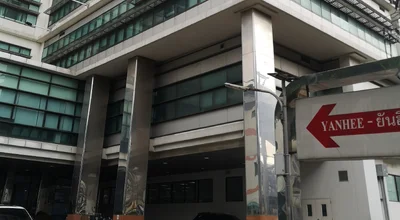
Yanhee International Hospital
A 400-bed hospital known worldwide for high-volume cosmetic surgery.
View hospital profile
Get a Free Quote in Two Minutes
Tell us what you're considering. We'll match you with suitable specialists and provide real hospital pricing.
- Honest pricing with no markups
- Matched to a specialist for your procedure
- No obligation, no pressure


Rated 5 stars by our patients
The complete guide to Vaginoplasty in Thailand
Everything below is for readers who want the full detail: costs broken down, types and techniques, recovery, risks and safety, and planning your trip.
Vaginoplasty Surgeons & Clinics in Thailand
Surgeon experience is the single biggest variable in vaginoplasty outcomes. Here is what to look for and what our partner hospitals offer.
Leading Hospitals in Bangkok
Our partner hospitals have established gynaecological surgery departments that treat vaginal reconstruction as standard practice. These are JCI-accredited facilities with dedicated operating theatres, not day clinics. Private rooms, female nursing staff, and professional discretion are standard, this is handled with the same clinical seriousness as any other reconstructive procedure.
Experienced Vaginoplasty Surgeons
Our partner surgeons are certified by the Thai Board of Plastic and Reconstructive Surgery or the Thai Board of Obstetrics and Gynaecology. Several hold subspecialty training in female pelvic reconstructive surgery. The volume of cases they handle, both Thai and international patients, gives them the operative judgment that determines whether the degree of tightening is appropriate for each individual patient.
What to Look for in a Surgeon
Board certification in either plastic surgery or obstetrics and gynaecology matters most, as both are valid for this procedure, and we confirm it for every partner surgeon. Specific vaginoplasty case volume counts more than general surgical volume, and how a surgeon calibrates tightening and approaches combined vaginoplasty with labiaplasty is exactly what we weigh when matching you. You should expect a consultation that takes time and answers specifics directly; if it feels hurried or evasive, tell your coordinator.
Understanding Your Results
Vaginoplasty outcomes are functional rather than visual. Here is what to expect in terms of results and how they develop over time.
Typical Vaginoplasty Results
The procedure aims to restore vaginal tone toward a pre-childbirth or improved state. Most patients report noticeably improved sensation during intercourse, resolution of the feeling of looseness, and improved tampon retention if that was a concern. The anatomical change is structural, weakened muscles are repaired and tightened, so the improvement is typically lasting provided there is no subsequent vaginal delivery.
What Results Can You Expect?
Functional recovery begins around 8 weeks and continues improving to around 3–6 months. The degree of improvement depends on the extent of laxity before surgery and how much repair was needed. Patients with significant post-childbirth laxity typically notice the most substantial difference. Your surgeon will assess your anatomy during consultation and give you a direct assessment of what level of improvement is realistic for your case.
Vaginoplasty Cost in Thailand
Average Cost of Vaginoplasty
Vaginoplasty in Thailand typically costs between $3,000 and $6,000, depending on the extent of repair needed, whether additional procedures are included, and the hospital. A standard posterior colporrhaphy sits at the lower end. Combined procedures, vaginoplasty with perineoplasty or labiaplasty, cost more due to the additional operative time.
Cost Breakdown
The surgeon's fee reflects the complexity and duration of the repair. Hospital and theatre fees cover the operating room, equipment, nursing support, and your overnight stay. Anaesthesia fees cover the anaesthetist and intraoperative monitoring. Aftercare typically covers follow-up examinations, wound checks, medications, and coordinator support during your recovery stay in Thailand, though the exact inclusions are set by the clinic and confirmed in writing in your quote.
What Affects the Price?
The primary variable is how extensive the repair needs to be. A straightforward posterior repair under general anaesthesia is less expensive than a combined anterior and posterior repair with perineoplasty. Adding labiaplasty increases the total. Surgeon experience and hospital tier also factor in, though the scope of surgery has the biggest impact on cost.
Thailand vs International Price Comparison
Vaginoplasty in Thailand costs 40–60% less than equivalent procedures in the US ($8,400–$15,000), Australia (A$7,800–A$13,500), and the UK (£6,600–£11,400). Thailand's lower facility and staffing costs account for the difference. Our partner hospitals hold JCI accreditation, with strict sterilisation protocols and post-operative monitoring built into the procedure.
Surgical vs Non-Surgical Vaginal Tightening
Energy-based treatments, usually laser or radiofrequency, are the main non-surgical alternative. They pass controlled heat into the vaginal wall to stimulate collagen and produce a mild tightening, with no incisions, no anaesthetic, and no real downtime, typically over a short course of in-clinic sessions. For very mild laxity, or for someone not ready for surgery, they can offer a modest improvement in tone and comfort.
The limits are significant, though. These devices only firm the surface lining; they cannot repair the stretched muscle and fascia underneath, which is what actually drives laxity after childbirth. The effect is modest and temporary, fading over months, so it needs repeated maintenance sessions to hold. They will not correct a gaping introitus, perineal damage, or moderate to significant looseness, and the long-term evidence behind them is far weaker than for surgical repair.
For anything beyond very mild laxity, and for a lasting structural result, vaginoplasty is the route. It repairs the actual muscle weakness rather than heating the lining, which is why a single surgical repair holds indefinitely under normal circumstances, and that is what the rest of this page covers.
Types of Vaginoplasty
The procedure varies depending on which vaginal wall is affected, how much tightening is needed, and whether the perineum also requires repair. Most cases involve posterior repair, but anterior or combined approaches are used when the laxity is more widespread.
Posterior Repair (Posterior Colporrhaphy)
The most common form of vaginoplasty. Tightens the back wall of the vaginal canal by repairing the underlying fascia and muscle, then removing excess mucosal tissue. All incisions are internal, no external scarring. Addresses the area most affected by vaginal delivery.
- Repairs and tightens the posterior vaginal wall musculature
- All incisions internal with no visible external scars
- Addresses the most common site of delivery-related laxity
- Best for: women with posterior wall laxity after vaginal delivery
Anterior Repair (Anterior Colporrhaphy)
Tightens the front wall of the vaginal canal, addressing laxity that can contribute to stress urinary incontinence or a feeling of pelvic pressure. Less commonly needed than posterior repair but important when the anterior wall has weakened or descended.
- Repairs the front vaginal wall and supporting fascia
- Can improve mild stress incontinence symptoms
- Internal incisions with no external scarring
- Best for: women with anterior wall laxity or early-stage cystocele
Combined Vaginoplasty with Perineoplasty
When the perineum, the tissue between the vaginal opening and the anus, has also been damaged or weakened, perineoplasty is performed alongside vaginoplasty. This addresses the vaginal opening directly, which a standard colporrhaphy may not fully correct on its own.
- Reconstructs the perineal body as well as the vaginal canal
- Addresses gaping or widening at the vaginal introitus
- Particularly relevant after third- or fourth-degree perineal tears
- Best for: women with combined vaginal laxity and perineal damage from childbirth
Vaginoplasty Techniques
The operative approach depends on the degree of laxity, tissue quality, and what combination of structures need repairing. Here is how the main techniques differ and when each is appropriate.
Traditional Surgical Colporrhaphy
The gold standard. The surgeon makes an internal incision, dissects down to the muscularis layer, plicates (folds and sutures) the weakened muscle, excises excess mucosa, and closes in layers. Proven, predictable, and the technique with the strongest long-term evidence. Takes 1–2 hours under general anaesthesia.
- Multi-layer repair targeting the actual muscle weakness
- Decades of clinical evidence supporting durability of results
- Performed under general anaesthesia with one overnight stay
- Best for: moderate to significant laxity requiring structural muscle repair
Laser or Radiofrequency Tightening
Non-surgical alternatives that use thermal energy to stimulate collagen remodelling in the vaginal wall. Less invasive with no downtime, but the results are modest and temporary. Multiple sessions are needed. These are not equivalent to surgical vaginoplasty and should not be presented as such.
- Non-invasive with no downtime or anaesthesia
- Modest, temporary tightening through collagen stimulation2
- Requires multiple sessions and periodic maintenance treatments
- Best for: very mild laxity in patients who prefer to avoid surgery
Combined Vaginoplasty and Labiaplasty
Frequently requested as a combined procedure. Since both involve the same anatomical area, performing them together means one anaesthetic, one recovery period, and one trip. The procedures do not interfere with each other surgically and the combined recovery is similar to vaginoplasty alone.
- Single anaesthetic and single recovery period for both procedures
- No meaningful added surgical risk, though anaesthesia runs a little longer
- Addresses internal tightening and external reshaping together
- Best for: patients wanting both vaginal tightening and labial reduction
Vaginoplasty Recovery Timeline
Week 1
Moderate pelvic discomfort and swelling managed with prescribed medication. Light walking is encouraged from day one. Avoid sitting for extended periods. You will stay one night in hospital and then recover at your hotel with daily coordinator check-ins and a follow-up examination around day 5–7.
Weeks 2–4
Discomfort reduces substantially. Most patients can manage daily activities independently and feel well enough for a flight home after 10–14 days. Driving usually becomes possible around 2–3 weeks, once you can sit comfortably and perform an emergency stop without pelvic pain and are off opioid pain relief. Gentle walking continues. Avoid heavy lifting, straining, or any pelvic pressure.
Weeks 4–8
Internal healing continues. Light exercise can resume around week 4–5 with your surgeon's guidance. Sexual activity is strictly off-limits until at least six weeks post-surgery3 and only after your surgeon confirms healing is complete. This restriction protects the repair.
Months 3–6
Tissues fully settle and muscular tone reaches its lasting state. Sensation tends to normalise over this period. The functional improvement is typically noticeable from around 8 weeks, with the full benefit usually clear by month 3–6.
When Can You Fly After Vaginoplasty?
Most patients can fly home 10–14 days after surgery, once their follow-up examination confirms healing is progressing well. Cabin pressure does not affect internal vaginal repairs. Wear loose, comfortable clothing and avoid prolonged sitting without breaks. Brief walking during the flight is advisable to maintain circulation.
When Can You Return to Work and Exercise?
Desk work is possible from week 2 for most patients, though standing or physically demanding work may require 4–6 weeks. Light walking is encouraged from day one. Low-impact exercise can resume around week 4–5. High-impact exercise, heavy lifting, and activities that strain the pelvic floor should wait until week 8. Sexual intercourse must wait at least six weeks.
When Can You Drive Again?
Most patients drive again around 2 to 3 weeks after surgery, once you can sit comfortably and brake or do an emergency stop without pelvic pain or guarding. Because prolonged sitting puts pressure on the repair, build back gradually with short local trips such as the school run or grocery shopping before longer journeys, and stop if sitting becomes uncomfortable. Do not drive while still taking opioid pain relief.
When Will You See Final Results?
Functional improvement, increased tone and sensation, typically becomes noticeable from around 8 weeks as internal swelling resolves and the repaired muscles regain strength. The full benefit is usually apparent by 3–6 months. There is no visible external result to assess; the outcome is measured by function and how things feel rather than how they look.
Anaesthesia for Vaginoplasty
Vaginoplasty is performed under general anaesthesia, so you are fully asleep and feel nothing during the surgery. A consultant anaesthetist stays with you for the whole operation and monitors you continuously, which is standard practice at the accredited hospitals we work with. This also means the repair, which is detailed internal work, can be done with you completely still and relaxed.
Before you are cleared for anaesthesia you have a pre-operative assessment, usually including blood tests, a pelvic examination, and a review of any medications you take. This is the point to flag any past reaction to anaesthesia or ongoing health condition, so your anaesthetist can plan around it.
You feel nothing while the surgery is carried out. When you wake, the area is numbed and any discomfort is moderate rather than sharp: most women describe pelvic soreness and pressure for the first week, more of a nuisance when sitting than a real pain, and it is well controlled with the medication your surgeon prescribes.
Risks and Safety of Vaginoplasty
Vaginoplasty is a well-established procedure with a strong safety profile, but internal surgery carries specific risks that you should understand before proceeding.
- Infection (reduced by prophylactic antibiotics and careful hygiene)
- Bleeding or haematoma formation post-operatively
- Temporary reduction in vaginal or perineal sensation
- Over-tightening causing discomfort during intercourse3 (uncommon with experienced surgeons)
- Internal scarring or tissue thickening
- Wound separation along the internal suture line
- Temporary voiding difficulty or urge incontinence after anterior wall repair, as the front wall sits close to the bladder and urethra
- Rectovaginal or vesicovaginal fistula (an abnormal connection to the bowel or bladder), very rare but a recognised risk of internal colporrhaphy4
- Recurrence of laxity if followed by vaginal delivery
- Need for secondary touch-up procedure (rare)
The most clinically significant risk is over-tightening, which can cause long-term discomfort. Experienced surgeons calibrate the repair to restore tone without over-correcting. This is a judgment call that depends on direct surgical experience, which is why case volume matters for this procedure.
Is Vaginoplasty Safe in Thailand?
Yes. Our partner surgeons are board-certified in gynaecology or plastic surgery and operate at JCI-accredited hospitals, the same international accreditation standard recognised worldwide. Thailand's top hospitals maintain rigorous sterilisation protocols and experienced surgical nursing teams for gynaecological procedures.
How to Reduce Your Risk
We match you to a surgeon with specific experience in vaginal reconstructive surgery, not just general gynaecology, and one whose approach to calibrating the degree of tightening is well established, since over-correction is the complication that matters most for long-term comfort. Your part is to complete pre-operative screening including a pelvic examination, follow activity and hygiene restrictions precisely during recovery, and report any unusual symptoms, increased pain, fever, or heavy bleeding, to your coordinator immediately.
When Is Revision Surgery Needed?
Revision is uncommon but may be considered if the degree of tightening proves insufficient after full healing, or if a subsequent vaginal delivery reverses the repair. This is one of the reasons surgeons recommend completing your family before undergoing vaginoplasty. Any revision assessment should wait at least 6 months post-surgery, once internal tissues have fully healed and settled.
Planning Your Trip to Thailand for Vaginoplasty
Most patients need 10–14 days in Thailand. Here is how to structure your trip to make the most of your recovery time.
How Long to Stay in Thailand
Plan for a minimum stay of 10–14 days. This covers your consultation and pre-operative examination (day 1–2), surgery with one overnight hospital stay, and the critical first week of recovery including a follow-up examination before you are cleared to fly. Patients combining vaginoplasty with labiaplasty should plan for the same timeframe, the combined recovery is not significantly longer.
What's Included in a Medical Trip
Your care coordinator arranges hospital transfers, surgery scheduling, and all post-operative appointments. A typical surgical quote covers surgeon fees, anaesthesia, hospital stay, and aftercare, though exact inclusions are set by the clinic and confirmed in writing in your quote. Flights and accommodation are arranged separately, though your coordinator can recommend nearby hotels with appropriate facilities for post-surgical recovery.
Recovery in Bangkok vs Phuket
Bangkok is the right choice for vaginoplasty recovery. You need proximity to your surgeon for the follow-up examination, and internal surgery benefits from being close to the hospital if any healing concerns arise. A relaxed environment is helpful, but you can find that at a comfortable Bangkok hotel without adding a domestic flight during recovery.
Related Procedures
Other procedures that address similar goals or conditions, in case one of them is a closer fit for you.
Planning your treatment in Thailand
Independent guides to help you weigh the decision, before you commit to anything.
Common Questions About Vaginoplasty
Everything you need to know before your procedure

Medical References
Keep researching with AI
Open this guide in your AI assistant to dig deeper and ask the questions it didn't answer.
Opens in a new tab with this guide already loaded.
Medical disclaimer: This information is for educational purposes only and does not replace professional medical advice. Individual results, recovery times, and suitability vary. Always consult a qualified surgeon before making decisions about treatment.
Ready to Get Started?
No-obligation consultation and quote within 24 hours. Speak with a coordinator who can match you to the right surgeon and hospital.
Speak to Our Team