Six Pack Liposuction in Thailand Your guide to cost, top surgeons & hospitals
You have built the muscle. The fat covering it is the only thing standing between you and visible abs.
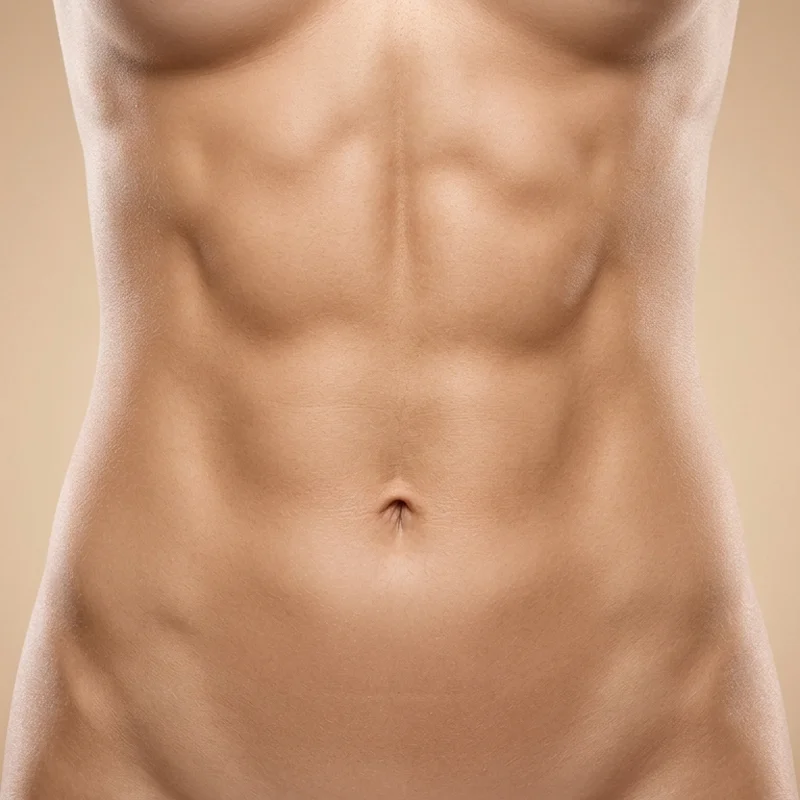
What Is Six Pack Liposuction?
Also known as: Ab Etching · Abdominal Etching
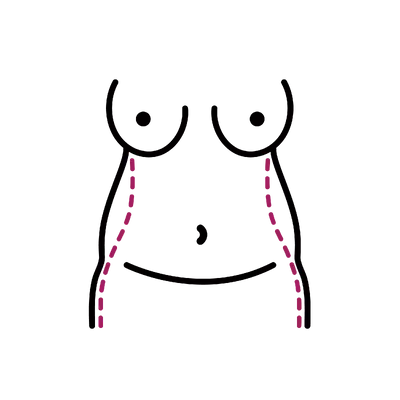
Six pack liposuction, known medically as abdominal etching, is a body sculpting procedure that reveals muscle definition by removing fat along the lines of the abdominal wall. Rather than reducing overall volume, it sculpts fat from the midline, the grooves between the muscles, and the oblique borders at the sides, so the muscle underneath shows as shadow and contour. Most surgeons use VASER ultrasound to loosen the fat, over 2 to 3 hours under general anaesthesia. The fat is gone for good, and definition lasts as long as you stay near the body fat level you were sculpted at.3,2
It works only on muscle that is already there, so it suits people who train and are fairly lean, not anyone hoping surgery will replace the gym. Your surgeon maps your anatomy and plans the grooves around how your muscles sit.
How clear the result turns out depends on your muscle and how thin the overlying fat is. Surgeons usually sculpt conservatively, since gentle lines can be deepened more easily than over-removal can be undone. A consultation with a body composition check shows what is realistic.
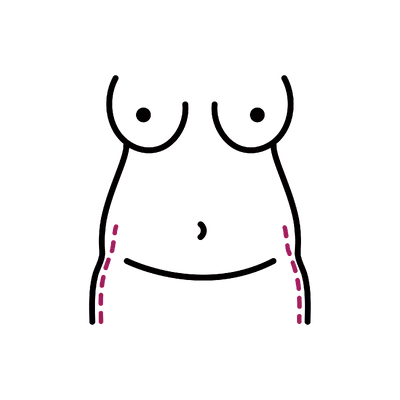
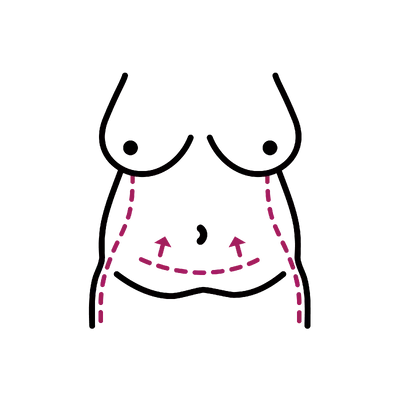
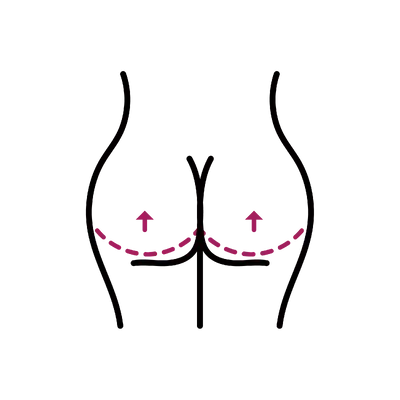
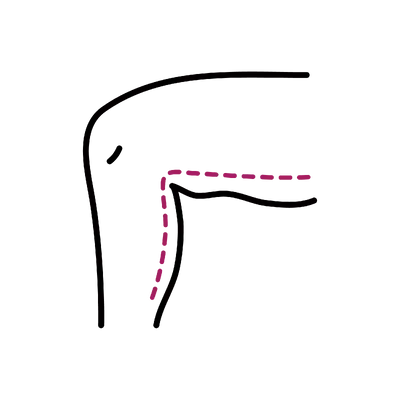
It can address a range of concerns, including:
Am I a Good Candidate for Six Pack Liposuction?
Etching reveals what is already underneath, so suitability comes down to body composition; here is what surgeons look at.
Etched definition only reads on an abdomen that is already lean.
Roughly under 20%: above that level the grooves do not show and results are noticeably weaker.
Thin fat layer: patients with a thin subcutaneous layer over developed muscle see the most dramatic results.
Staged route: if you carry too much fat, standard liposuction to reduce overall volume comes first, with etching as a second stage once you are leaner.
Sustainable leanness: arrive at a body composition you can actually maintain, because the result is designed around that level.
Etching reveals existing muscle; it does not create it.
Developed abs: good underlying abdominal muscle is a baseline requirement, since the procedure sculpts fat along your real anatomy.
Consistent training: candidates train regularly and keep training right up until a couple of days before surgery, so the surgeon has clear anatomy to map.
Pre-op mapping: the surgeon maps your individual muscle lines before operating; the better defined they are, the better the sculpting can follow them.
Etched lines highlight whatever the skin above them is doing.
Skin laxity: loose abdominal skin or stretch marks are highlighted rather than masked by etched grooves, which usually rules the procedure out.
Previous abdominal surgery: significant scar tissue disrupts the precise, layer-by-layer depth control that etching depends on.
Good skin tone: smooth, even retraction over the sculpted lines is what makes the definition read as natural rather than irregular.
The result is permanent only at the body fat level it was sculpted for.
Weight gain re-fills the grooves: a new fat layer covers the definition and unevens the result.
Ongoing training and diet: candidates commit to staying lean post-op; not competition-shredded, just within a reasonable range.
Long-term payoff: when you resume training after recovery, the definition becomes even more prominent as strength rebuilds.
The degree of definition depends entirely on what there is to reveal.
Natural, not carved: good etching follows your anatomy and looks like exceptional genetics; over-sculpted ridges look artificial and are hard to reverse.
Composition-dependent: with average muscle development the lines will be visible but less pronounced, and your surgeon sets expectations from your body composition assessment.
Conservative sculpting: surgeons deliberately err subtle, because deepening grooves in a touch-up is far easier than correcting over-removal.
Female etching: is intentionally subtler, a toned midline and gentle lateral lines rather than aggressive grooves.
Who is not suitable for six pack liposuction?
- Body fat above roughly 20% (women typically need to be leaner than this to achieve the same thin subcutaneous layer)
- Little underlying abdominal muscle development
- Unwilling to maintain a lean physique after surgery
- Abdominal skin laxity or stretch marks
- Significant scar tissue from previous abdominal surgery
- Smokers unwilling to stop at least four weeks before surgery
- Significant uncontrolled heart or lung disease, or otherwise not medically fit for general anaesthesia
- Bleeding or clotting disorders, conditions that impair healing, or pregnancy
Pricing
How Much Will Six Pack Liposuction Cost in Thailand?
What six pack liposuction costs at accredited hospitals in Thailand, and what your final quote depends on.
Get your exact price
Tell us what you're considering and we'll send a personalised quote from accredited hospitals within 24 hours.
Get my free quoteTypical prices in Thailand
Typical ranges based on recent hospital quotes. Your exact price depends on the hospital and how complex your case is, and is confirmed at your teleconsultation.
Six Pack Liposuction
The right scope is set at your body composition assessment, which shows how thin the fat layer sitting over your muscle already is.
| VASER Hi-Def abdominal etching (six-pack only) Sculpts the six-pack grooves and the midline down your abdomen | $3,500 to $5,000 ฿119,000 to ฿170,000 |
| VASER 4D sculpting (abs, obliques and flanks) Adds the oblique borders and flanks for a fully athletic torso | $5,000 to $7,000 ฿170,000 to ฿238,000 |
| Ab etching with chest sculpting Abdomen and chest sculpted in the same operation and recovery | $6,000 to $9,000 ฿204,000 to ฿306,000 |
Get your exact price
Tell us what you're considering and we'll send a personalised quote from accredited hospitals within 24 hours.
Hospitals Trusted for Six Pack Liposuction
From internationally accredited flagships to dedicated specialist hospitals, these are the kinds of facilities where international patients have this procedure.
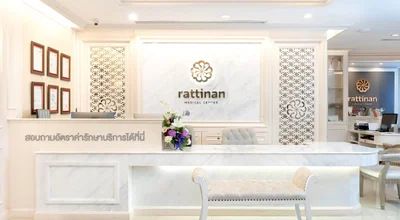
Rattinan Clinic
A specialist body contouring clinic in central Bangkok with over 14,000 BodyTite treatments performed.
View hospital profile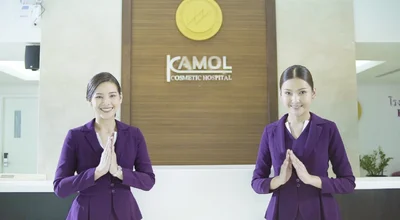
Kamol Cosmetic Hospital
The only specialist cosmetic surgery hospital in Thailand to hold JCI accreditation.
View hospital profile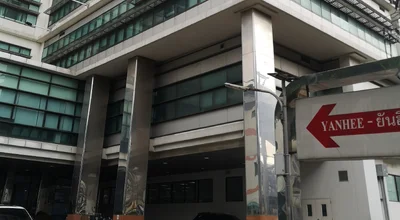
Yanhee International Hospital
A 400-bed hospital known worldwide for high-volume cosmetic surgery.
View hospital profile
Get a Free Quote in Two Minutes
Tell us what you're considering. We'll match you with suitable specialists and provide real hospital pricing.
- Honest pricing with no markups
- Matched to a specialist for your procedure
- No obligation, no pressure


Rated 5 stars by our patients
The complete guide to Six Pack Liposuction in Thailand
Everything below is for readers who want the full detail: costs broken down, types and techniques, recovery, risks and safety, and planning your trip.
Six Pack Liposuction Surgeons & Clinics in Thailand
Abdominal etching is the most skill-dependent form of liposuction. Surgeon selection matters more here than for any other body contouring procedure.
Leading Hospitals in Bangkok
Our partner hospitals are JCI-accredited facilities with VASER equipment and dedicated body sculpting programmes. Not every hospital offers abdominal etching, it requires both the equipment and a surgeon trained to use it for hi-definition work. The hospitals we work with have invested in this specifically.
VASER Etching Specialists
Our partner surgeons hold Thai Board of Plastic and Reconstructive Surgery certification and have completed specific training in VASER hi-definition and 4D sculpting techniques. They treat athletic patients regularly and understand the difference between sculpting for aesthetics and standard fat reduction. This distinction matters, standard liposuction training does not prepare a surgeon for the precision demands of abdominal etching.
What We Look For in an Etching Surgeon
When we screen partner surgeons for this procedure we look at before-and-after photos of male and female cases in both relaxed and flexed positions at 3+ months post-op, prioritising natural-looking definition over dramatic ridges. We look for a genuine 4D approach that accounts for how the result looks during movement, and for surgeons who perform etching cases regularly rather than occasionally. When you reach consultation, it helps to bring photos of the level of definition you are targeting, since this gives the surgeon a concrete reference point.
Understanding Your Results
Abdominal etching produces a very specific type of result, visible muscle definition. Here is what that looks like in practice.
Typical Abdominal Etching Results
Visible six-pack lines, a defined midline (linea alba), and sculpted oblique borders. The result looks like what extremely lean bodybuilders achieve through diet, but maintained at a normal, sustainable body fat percentage. In good hands, etching results look natural and athletic, not surgical. The definition is permanent as long as body fat stays within a reasonable range.
What Results Can You Expect?
The degree of visible definition depends on two things, your existing muscle mass and how much subcutaneous fat is sitting over it. Patients with well-developed abs and a thin fat layer see the most dramatic results. If your muscle development is average, the etching will still create visible lines, but the result will be less pronounced. Your surgeon will set specific expectations during consultation based on your body composition assessment.
Six Pack Liposuction Cost in Thailand
Average Cost of Six Pack Liposuction
Abdominal etching in Thailand typically costs $3,500–$9,000. The range depends on the extent of sculpting, whether flanks or obliques are included, and the surgeon's level of specialisation. This is more expensive than standard liposuction because it demands VASER equipment, longer operative time, and a surgeon with specific artistic training.
Cost Breakdown
The surgeon's fee is the largest component and rightly so, this procedure is more skill-dependent than almost any other form of liposuction. A typical quote also accounts for VASER equipment fees within the hospital charges, with general anaesthesia adding to the cost because the procedure takes 2–3 hours and requires the patient to be completely still. Aftercare usually covers follow-up visits, compression garments, and recovery guidance, though exact inclusions are set by the clinic and confirmed in writing in your quote.
What Affects the Price?
Scope of sculpting is the main driver. Basic six-pack etching (rectus abdominis only) costs less than comprehensive work that includes obliques, the linea alba, and flank sculpting. Surgeon reputation and VASER specialisation level affect pricing, the best abdominal etching surgeons command higher fees because demand exceeds supply. If you combine ab etching with chest sculpting or flank work, the total increases but the per-area cost drops.
Thailand vs International Price Comparison
Abdominal etching in Thailand costs 40–60% less than equivalent procedures in the US ($9,800–$17,500), Australia (A$9,100–A$15,800), and UK (£7,700–£13,300). The savings are substantial because this is one of the highest-priced liposuction variants in Western countries. The lower price reflects local cost structures rather than a compromise on equipment: our partner hospitals offering VASER 4D use the same systems, and their surgeons hold Thai Board certification and specific VASER training.
Non-Surgical Alternatives to Six Pack Liposuction
The non-surgical route to a flatter midsection is fat-reduction technology like fat freezing (cryolipolysis, often marketed as CoolSculpting), and energy devices such as radiofrequency or HIFU that aim to shrink the subcutaneous fat layer with no incisions and no real downtime. There are also muscle-stimulation devices, like EMSCULPT, that contract the abdominal muscles to build a little tone. These can take the edge off a soft midsection over a course of sessions, and some people use them to trial a change before committing to surgery.
The limits matter, though. These devices reduce fat broadly and gently; none of them can carve fat selectively along the lines between your muscles, which is the whole point of etching, so they cannot create the defined grooves of a visible six-pack. Fat freezing typically removes only a modest percentage per session and needs several rounds, results build slowly over months, and outcomes are uneven. Muscle stimulators add tone but do nothing to the fat sitting over the muscle, so if a layer is hiding your abs, they will stay hidden. None of this is a substitute for surgical sculpting, and the gains fade without continued sessions.
For actual visible muscle definition, sculpted grooves and oblique borders that read as an athletic torso, VASER abdominal etching is the route, because it removes fat precisely along your own muscle anatomy in a single procedure. That is what the rest of this page covers.
Types of Abdominal Etching
Abdominal etching ranges from basic six-pack definition to comprehensive athletic sculpting. The right option depends on your body fat, muscle development, and how much definition you are after.
VASER Hi-Def Etching
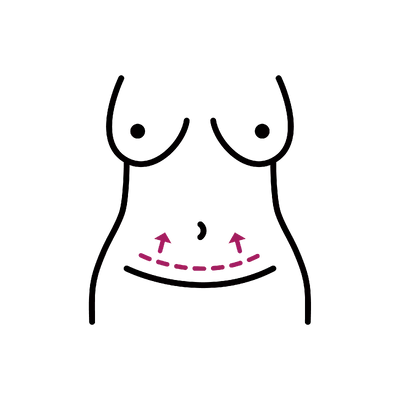
The standard abdominal etching procedure. Fat is selectively removed along the lines of the rectus abdominis and linea alba to create visible six-pack grooves. Works best on patients with a thin subcutaneous layer and well-developed muscle underneath. Results look defined but not extreme.
- Creates visible abdominal lines and midline definition
- Moderate fat removal with emphasis on shadow and contour
- 2–2.5 hours under general anaesthesia
- Best for: lean patients who want clear but not extreme ab definition
VASER 4D Sculpting
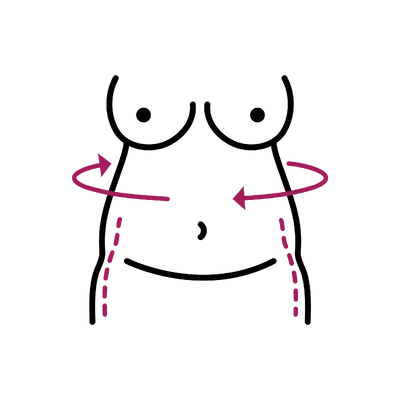
The most advanced version, fat is sculpted in multiple layers to create definition that looks real during movement, not just when standing still. Accounts for how muscles appear when flexing, twisting, and relaxing. Includes oblique borders and can extend to the flanks and lower chest for a fully athletic torso.
- Dynamic definition visible in motion, not just at rest
- Multi-layer sculpting accounts for muscle behaviour during movement
- Includes oblique borders and can extend to flanks or chest
- Best for: highly motivated patients wanting the most realistic athletic definition
Ab Etching with Fat Transfer
Fat removed during etching is purified and re-injected strategically to enhance muscle prominence. Small amounts of fat placed over muscle peaks make them more prominent, creating deeper contrast between the grooves and the muscle bulk. A refinement technique for patients who want maximum visual impact.
- Uses harvested fat to augment muscle peaks
- Creates deeper contrast between grooves and muscle bulk
- Most effective on patients with good muscle mass
- Best for: athletic patients who want the most dramatic definition possible
Abdominal Etching Techniques
VASER is the standard tool for abdominal etching because no other technology offers the same level of layer-by-layer control. The difference is in how it is applied.
VASER Ultrasound Sculpting
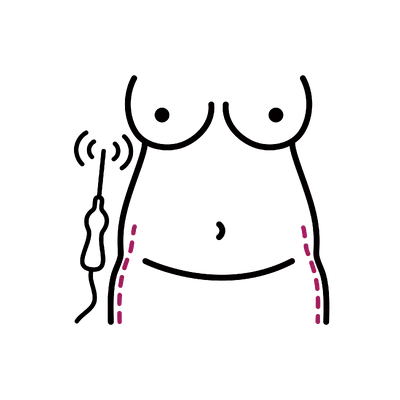
VASER probes emit ultrasound energy that selectively emulsifies fat while preserving connective tissue, blood vessels, and nerves. For abdominal etching, the surgeon uses different probe settings at different depths, deeper passes reduce overall volume, while superficial passes create the visible grooves that define muscle lines. The dual-layer approach is what produces realistic definition.
- Selective fat emulsification preserves surrounding structures
- Variable depth settings for volume reduction versus surface definition
- Produces the smooth, shadow-based definition that looks natural
- Best for: all abdominal etching cases, this is the standard tool
Micro-Cannula Refinement
After VASER emulsification, ultra-fine cannulae (2–3mm) extract the liquefied fat with precision. The small diameter allows the surgeon to sculpt individual grooves without over-removing from adjacent areas. Multiple passes at different angles ensure smooth transitions. This is the step where the artistic skill of the surgeon matters most.
- Ultra-fine cannulae for millimetre-level precision
- Multiple-angle passes create natural-looking grooves
- Surgeon's artistic eye determines the final aesthetic
- Best for: the refinement phase after VASER treatment, used in all etching cases
Tumescent Infiltration
Before any fat is touched, the surgeon infiltrates the abdominal layers with a large volume of dilute fluid containing local anaesthetic and a vessel-constricting agent. This swells and firms the fat so the VASER energy works evenly, limits bleeding and bruising, and numbs the area beyond the general anaesthetic. For etching it matters more than in standard liposuction, because consistent tissue firmness is what lets the surgeon keep groove depth even across the whole abdomen.
- Dilute fluid firms the fat for even, controlled VASER passes
- Vessel constriction reduces bleeding and bruising during sculpting3
- Uniform tissue tension helps keep groove depth consistent
- Best for: the preparation phase of every etching case, before VASER and extraction
Six Pack Liposuction Recovery Timeline
Days 1–3
Your midsection will feel tight, sore, and bloated, nothing like the sculpted result you are expecting. Bruising across the entire abdominal wall is normal. Compression garment goes on immediately and stays on continuously. Walking upright is possible but feels stiff. No core engagement, use your arms to sit up and roll to get out of bed.
Weeks 1–2
Bloating begins reducing and you can start to see early hints of definition through the compression garment. Bruising shifts from dark to yellow-green. Desk work is manageable by day 7–10. No exercise beyond walking. Follow-up appointment confirms healing trajectory.
Weeks 3–6
Definition becomes increasingly visible as swelling continues dropping. Light cardio can begin at week 3. Core-safe exercises at week 4. Avoid direct abdominal training, crunches, planks, heavy lifts, until week 6 minimum. The etched lines become more pronounced as each layer of swelling resolves.
Months 3–6
Full sculpted definition emerges. The abdominal grooves, midline, and oblique borders become clearly visible. You can resume full training intensity. Final result is typically apparent by month 5–6. Maintaining low body fat through continued training keeps the result sharp indefinitely.
When Can You Fly After Abdominal Etching?
Most patients fly home at 7–10 days. Wear your compression garment during the flight. The abdominal tightness is manageable for flying, most patients find the garment actually makes sitting more comfortable because it supports the treatment area. Stay hydrated and walk the aisle periodically.
When Can You Return to Training?
Light walking from day one. Gentle cardio (walking, slow cycling) at week 3. Upper and lower body weights that do not engage the core at week 4. Core-specific training, planks, crunches, rotational work, at week 6 minimum. Full training including heavy compound lifts that load the core at weeks 8–10. This timeline is adjusted based on your healing. Returning to training too early risks disrupting the sculpted fat layer.
When Will You See Final Results?
The first hints of definition appear around week 2–3 as initial bloating subsides. By month 2, the six-pack lines are becoming visible and the overall torso shape has clearly changed. Month 3–4 brings sharp definition. Final result, including full oblique detail and the deepest groove lines, is typically visible at month 5–6. The lower abdomen always takes the longest.
Anaesthesia for Six Pack Liposuction
Abdominal etching in Thailand is performed under general anaesthesia, so you are fully asleep and feel nothing during the procedure. A consultant anaesthetist stays with you throughout and monitors you continuously, which is standard at the accredited hospitals we work with. General anaesthesia is the right choice here because the procedure runs for 2 to 3 hours and the surgeon needs you completely still while they sculpt fine grooves into the superficial fat layers; any movement would compromise the precision the result depends on.
Before you are cleared for anaesthesia you have a pre-operative assessment, including blood tests and a review of any medications you take. This usually happens on the same day as your body composition mapping session, so the surgical plan and the anaesthetic plan are confirmed together. Your medical history and general fitness for a general anaesthetic are checked at this stage.
You feel nothing while the etching is being done. Afterwards, expect tightness and soreness across the abdominal wall rather than sharp pain, somewhat more than standard liposuction because the sculpting reaches into the superficial fat. It is well controlled with the medication your surgeon prescribes, and your compression garment supports the area and makes the first days more comfortable.
Risks and Safety of Six Pack Liposuction
Abdominal etching carries the standard liposuction risks plus additional considerations related to the precision sculpting technique. Here are the specific risks.
- Over-correction creating an artificial, ridged appearance that looks unnatural
- Under-correction where definition is not visible enough to justify the procedure
- Asymmetry in groove depth or placement between left and right sides
- Surface irregularities, bumps, dips, or waviness visible when the skin is relaxed
- VASER thermal injury, a superficial burn or, rarely, skin necrosis if the ultrasound energy is delivered too shallow, distinct from cosmetic surface irregularity1
- Seroma or persistent fluid accumulation beneath the abdominal skin1
- Numbness or altered sensation across the abdominal wall as VASER energy disrupts superficial sensory nerves; this can persist for months and can stay permanent in small patches2,1
- Deep vein thrombosis or pulmonary embolism, a raised risk given 2–3 hours of general anaesthesia followed by a long-haul flight at 7–10 days; reduced with compression stockings, walking the cabin, and good hydration1,2
- Loss of definition if body fat percentage increases significantly after surgery
The biggest risk with abdominal etching is an unnatural result, over-sculpted grooves that look carved rather than athletic. This is almost always a surgeon skill issue rather than a technique failure. The difference between a result that looks natural and one that looks fake comes down to how well the surgeon maps the anatomy and how conservatively they sculpt. A subtle result that can be enhanced later is always preferable to an aggressive result that cannot be reversed.
Is Abdominal Etching Safe in Thailand?
Yes, at JCI-accredited hospitals with surgeons who specialise in VASER sculpting. Abdominal etching is surface-level surgery with no organs or deep structures at risk. The safety considerations are the same as any liposuction procedure, infection control, anaesthesia management, and post-operative monitoring. At our partner hospitals, these standards are maintained rigorously.
How to Reduce Risks
The single biggest factor is the surgeon, so we match you to one who performs abdominal etching as a primary focus rather than an occasional add-on, works with VASER (other techniques lack the layer-by-layer control needed for this work), and can show before-and-after photos in both relaxed and flexed positions so you can see whether their results look natural at rest or only when posing. On your side, maintaining your training programme before surgery keeps your muscles well-developed so the surgeon has clear anatomy to sculpt around.
What If the Result Is Not Enough?
If definition is not as visible as expected once swelling resolves at 5–6 months, a touch-up procedure can deepen the grooves. This is a minor revision under local anaesthesia, targeting specific areas that need more sculpting. It is far easier to add definition in a second pass than to correct over-removal. Most experienced surgeons deliberately err on the conservative side for this reason.
Planning Your Trip to Thailand for Six Pack Liposuction
Abdominal etching requires a surgeon with specific VASER expertise and a proper pre-operative body composition assessment. Here is how to plan the trip.
How Long to Stay in Thailand
Plan for 7–10 days. Day 1 for consultation and body composition assessment (the surgeon maps your abdominal anatomy), day 2 for surgery, days 3–8 for recovery, and day 9–10 for follow-up. The mapping session on day 1 is more involved than a standard liposuction consultation because the surgeon is planning the sculpting pattern.
What's Included in a Medical Trip
Your coordinator handles all scheduling, transport, and post-op logistics. A typical surgical quote covers the VASER procedure, surgeon fees, general anaesthesia, hospital stay, compression garment, and aftercare appointments, though exact inclusions are set by the clinic and confirmed in writing in your quote. Flights and accommodation are separate. Your coordinator will recommend hotels near the hospital with easy gym access for your post-recovery training.
Preparing Your Body
Arrive in the best shape you can. The leaner you are and the more developed your abs, the better the surgeon can sculpt. Maintain your training programme up until 2 days before surgery. Do not crash diet, arrive at a sustainable body composition that you can maintain long-term, because the result looks best at the body fat level the surgery was designed around.
Related Procedures
Other procedures that address similar goals or conditions, in case one of them is a closer fit for you.
Planning your treatment in Thailand
Independent guides to help you weigh the decision, before you commit to anything.
Common Questions About Six Pack Liposuction
Key questions for athletes and fitness-focused patients considering abdominal etching

Medical References
Keep researching with AI
Open this guide in your AI assistant to dig deeper and ask the questions it didn't answer.
Opens in a new tab with this guide already loaded.
Medical disclaimer: This information is for educational purposes only and does not replace professional medical advice. Individual results, recovery times, and suitability vary. Always consult a qualified surgeon before making decisions about treatment.
Ready to Get Started?
No-obligation consultation and quote within 24 hours. Speak with a coordinator who can match you to the right surgeon and hospital.
Speak to Our Team