Chin Liposuction in Thailand Your guide to cost, top surgeons & hospitals
A clean jawline is one of those things nobody notices until it is there. Then it changes the whole face.

What Is Chin Liposuction?
Also known as: Double Chin Removal · Submental Liposuction
Chin liposuction is a contouring surgery that slims the area under the jaw by suctioning out the submental fat pad, the pocket most people call a double chin. It sharpens the cervicomental angle, the line between jaw and neck that does most to define a face in profile. The fat is removed through a tiny incision hidden in the crease under the chin, usually under local anaesthesia with sedation in about 30 to 60 minutes, and the fat cells taken away do not grow back1,2.
A double chin is not always about weight, and the fullness people most want gone often stays whatever the scales say. Your surgeon looks at what is actually creating it, the fat, the skin, the underlying jaw, before suggesting anything.
The thing that varies most is how well your skin tightens once the fat is gone. For most people good skin tone means liposuction alone does the job, but if the skin is loose or thin your surgeon may suggest adding a neck lift so the area does not look deflated. That honest call is best made in person.
It can address a range of concerns, including:
Am I a Good Candidate for Chin Liposuction?
Chin liposuction is quick and recovery is short, but suitability hinges on what is actually creating the fullness, and surgeons check that first.
Surgeons confirm that the fullness under your chin is a fat deposit the procedure can remove.
Persistent submental fullness: A double chin that stays regardless of weight or fitness level is the classic indication.
Soft jaw-to-neck transition: Good candidates want the angle between jaw and neck restored, the change that sharpens the whole profile.
A heavy lower face: Fullness that reads as extra weight in profile photos responds well, in men and women equally, though men often carry denser submental fat.
Once the fat is gone, the skin has to retract around the new jaw shape, and that is the main variable.
The pinch test: Skin beneath the chin that springs back quickly when pinched suggests liposuction alone will be enough.
Loose or thin skin: If skin is loose, very thin, or crepey, fat removal risks a deflated rather than defined look. A neck lift combination is the honest recommendation in those cases.
VASER for borderline skin: Ultrasound-assisted technique stimulates collagen and improves retraction when elasticity is marginal.
A weak profile is not always fat, and surgeons rule out the structural causes liposuction cannot touch.
Chin and jaw position: A retruded chin or weak jawline may be the underlying cause, in which case a genioplasty or chin implant gives the stronger profile result.
Glandular or thyroid fullness: Salivary gland prominence or thyroid issues contributing to neck fullness need ENT or endocrine review before any cosmetic surgery.
Platysmal banding: Visible neck bands are a muscle issue addressed by a neck lift, not by fat removal.
As with all liposuction, surgeons want a stable baseline before contouring the area.
Stable baseline: Good candidates are at or near a weight they can maintain, with reasonable skin elasticity beneath the chin.
Weight-independent fullness: The deposit should persist whether your weight drifts slightly up or down, confirming a localised fat pad rather than a weight issue.
After surgery: Removed cells do not return, but significant weight gain can enlarge the remaining cells, so the result assumes broad stability.
Who is not suitable for chin liposuction?
- Loose neck skin or platysmal banding as the main issue
- A weak or retruded chin causing the profile concern
- Salivary gland or thyroid causes of neck fullness
- Very thin or crepey skin under the chin, unless combined with a neck lift
- Smokers unwilling to stop four weeks before surgery
Pricing
How Much Will Chin Liposuction Cost in Thailand?
What chin liposuction costs at accredited hospitals in Thailand, and what your final quote depends on.
Get your exact price
Tell us what you're considering and we'll send a personalised quote from accredited hospitals within 24 hours.
Get my free quoteTypical prices in Thailand
Typical ranges based on recent hospital quotes. Your exact price depends on the hospital and how complex your case is, and is confirmed at your teleconsultation.
Chin Liposuction
What you pay turns on how much fat sits under the chin and whether your skin will tighten on its own once it is gone.
| Tumescent chin liposuction The standard approach, suited to most people with firm skin | $1,200 to $1,800 ฿40,800 to ฿61,200 |
| VASER chin liposuction Ultrasound energy helps the skin retract for a smoother contour | $1,800 to $2,400 ฿61,200 to ฿81,600 |
| Chin liposuction with a neck lift Adds skin tightening when the neck is loose as well as full | $3,000 to $5,000 ฿102,000 to ฿170,000 |
Get your exact price
Tell us what you're considering and we'll send a personalised quote from accredited hospitals within 24 hours.
Hospitals Trusted for Chin Liposuction
From internationally accredited flagships to dedicated specialist hospitals, these are the kinds of facilities where international patients have this procedure.
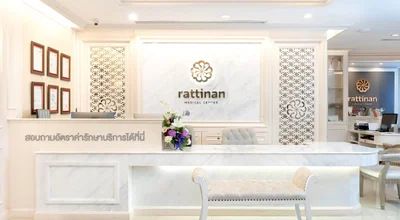
Rattinan Clinic
A specialist body contouring clinic in central Bangkok with over 14,000 BodyTite treatments performed.
View hospital profile
Kamol Cosmetic Hospital
The only specialist cosmetic surgery hospital in Thailand to hold JCI accreditation.
View hospital profile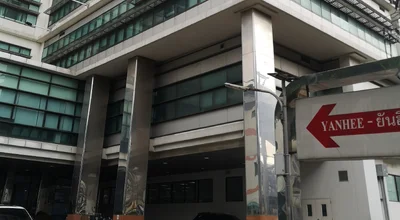
Yanhee International Hospital
A 400-bed hospital known worldwide for high-volume cosmetic surgery.
View hospital profile
Get a Free Quote in Two Minutes
Tell us what you're considering. We'll match you with suitable specialists and provide real hospital pricing.
- Honest pricing with no markups
- Matched to a specialist for your procedure
- No obligation, no pressure


Rated 5 stars by our patients
The complete guide to Chin Liposuction in Thailand
Everything below is for readers who want the full detail: costs broken down, types and techniques, recovery, risks and safety, and planning your trip.
Chin Liposuction Surgeons & Clinics in Thailand
For a procedure this targeted, surgeon skill matters more than hospital brand. Here is what to look for when choosing where to have it done.
Leading Hospitals in Bangkok
Our partner hospitals are JCI-accredited and run dedicated plastic surgery departments with full operating theatres. For chin liposuction specifically, the important thing is that these are proper hospitals with on-site anaesthetists and emergency backup, not shopfront clinics.
Experienced Chin Liposuction Surgeons
Our partner surgeons are certified by the Thai Board of Plastic and Reconstructive Surgery. Chin liposuction is a bread-and-butter procedure for facial plastic surgeons in Bangkok, they see submental fat cases constantly and know how to handle variations in fat density, skin quality, and jaw anatomy across different ethnicities and age groups.
What to Look for in a Surgeon
Board certification is the baseline, and it is where our screening starts. Beyond that, submental work is its own skill, a surgeon who mainly does body liposuction is not necessarily the best choice for the face, so we match you with surgeons who handle facial and submental cases routinely. We can share before-and-after photos taken at 3–6 months, not just one week post-op. We also value surgeons who are honest about limitations, the ones who will recommend a neck lift alongside lipo when the skin needs it rather than promising lipo alone will fix everything.
Understanding Your Results
Chin liposuction produces permanent structural change, but the timeline from surgery to final result spans several months. Here is what to expect.
Typical Chin Liposuction Results
The defining change is the cervicomental angle, the line between jaw and neck. A well-performed chin liposuction sharpens this angle, which makes the jawline look stronger and the face look leaner. The result is subtle from the front but dramatic in profile. Fat removal is permanent, though the skin and soft tissue will continue to age naturally over time.
What Results Can You Expect?
You will see an immediate difference even through the swelling. By week 2, the improvement is obvious. The final shape settles by 3–6 months as the skin contracts. If your surgeon used VASER, expect slightly better skin retraction than tumescent alone. Keep in mind that no surgery can change your bone structure, chin lipo refines the soft tissue, so if you want projection as well, a chin implant is a separate conversation.
Chin Liposuction Cost in Thailand
Average Cost of Chin Liposuction
Chin liposuction in Thailand typically costs between $1,200 and $5,000. A straightforward tumescent case at the lower end, VASER or combination cases at the higher end. The procedure itself is short, under an hour, so hospital and anaesthesia fees are relatively low compared to body liposuction.
Cost Breakdown
The surgeon's fee makes up the largest share since the result depends entirely on their judgment and technique. Facility fees cover the procedure room, sterile equipment, and nursing. Anaesthesia is usually local with sedation, which costs less than general anaesthesia. Aftercare includes follow-up visits and a compression chin strap.
What Affects the Price?
Volume of fat matters, a larger submental deposit takes longer to address. VASER costs more than standard tumescent because the equipment is expensive to run. If your surgeon recommends combining chin lipo with a neck lift for skin tightening, that adds to the total. Hospital tier also plays a role, JCI-accredited facilities charge more than smaller clinics.
Thailand vs International Price Comparison
Chin liposuction in Thailand costs 40–60% less than equivalent procedures in the US ($3,400–$6,000), Australia (A$3,100–A$5,400), and UK (£2,600–£4,600). The savings reflect Thailand's lower facility costs, not a difference in technique or equipment. Our partner hospitals hold JCI accreditation and use modern liposuction equipment.
Non-Surgical Alternatives to Chin Liposuction
The main non-surgical alternative is fat-dissolving injections, best known by the brand Kybella, which use deoxycholic acid to break down submental fat over a course of two to four sessions spaced about a month apart. Fat freezing of the area, such as CoolSculpting Mini, works on a similar principle without needles. Both are office treatments with no incision and no sedation, and they genuinely reduce a modest double chin when the deposit is small and the skin is firm.
The trade-offs are real, though. Results build slowly across multiple appointments, swelling after injections can be marked for a week or more each time, and the final reduction is gentler and less precise than surgery, so a larger or denser fat pad often needs several rounds and can still fall short. These treatments only remove fat; they do nothing for loose skin, and like liposuction they cannot strengthen a weak jaw or correct glandular or thyroid fullness.
For a clear, predictable contour in a single session, a larger fat deposit, or anything that also needs skin tightening with a neck lift, surgical chin liposuction is the more reliable route, and that is what the rest of this page covers.
Types of Chin Liposuction
Most chin liposuction falls into one of two categories, fat removal alone, or fat removal combined with skin tightening. The right option depends on how your skin will behave once the fat is gone.
Submental Liposuction Only
Removes the fat pad beneath the chin through a single 3–5mm incision. Works best when skin elasticity is good enough to snap back on its own. This is the majority of cases in patients under 50 with firm skin.
- Single incision hidden in the natural crease beneath the chin
- 30–60 minutes under local anaesthesia with sedation
- Minimal downtime, most patients are social within 5 days
- Best for: patients with good skin tone and a localised fat deposit
Chin Liposuction with Neck Lift
Combines fat removal with platysma muscle tightening and skin excision for patients whose skin will not retract adequately on its own. Adds 1–2 hours to the procedure and requires general anaesthesia, but the payoff is a tighter, more sculpted neck contour.
- Addresses both fat and loose skin in a single session
- Platysma bands are tightened for a sharper cervicomental angle
- Longer recovery, expect 2–3 weeks before you look presentable
- Best for: patients over 45 or anyone with visible neck skin laxity
Chin Liposuction Techniques
The submental zone is small but anatomically precise. The marginal mandibular nerve runs through the area and controls lower lip movement, so technique matters more than volume here.
Tumescent Technique
Tumescent fluid numbs the area, constricts blood vessels, and separates fat cells for easier removal. A fine cannula extracts fat through a single incision beneath the chin. This is the default for most cases, reliable, quick, and effective when skin quality is decent.
- Performed under local anaesthesia with sedation
- Minimal bleeding and predictable results
- Single incision heals to a nearly invisible mark
- Best for: straightforward submental fat with good skin elasticity
VASER-Assisted Technique
Ultrasound energy liquefies fat before removal, allowing gentler extraction and stimulating collagen production in the overlying skin. The practical benefit is smoother contouring and better skin retraction, which matters when the skin is borderline or the patient wants maximum definition.
- Promotes skin tightening through collagen stimulation
- Gentler on surrounding tissue, less bruising
- Better option when skin elasticity is marginal
- Best for: patients wanting sharper definition or those with early skin laxity
Laser-Assisted Technique
Laser-assisted liposuction, often marketed under names like SmartLipo, passes a fine laser fibre under the skin to melt the fat before suction, while the heat also tightens the overlying skin. For the small submental area the appeal is the same as VASER, better skin retraction, though the thermal energy means the surgeon has to control depth carefully to protect the skin and the marginal mandibular nerve.
- Laser heat melts fat and stimulates skin tightening in one pass
- Useful where modest skin laxity sits alongside the fat
- Requires careful depth control to protect skin and nerve
- Best for: patients with a small fat deposit and mild skin laxity who want some tightening
Chin Liposuction Recovery Timeline
Days 1–3
Moderate puffiness under the chin and along the jawline, with some bruising spreading toward the neck. You wear a compression chin strap continuously. Talking and eating are fine, jaw movement is not restricted. Light walking from day one.
Days 4–7
Puffiness drops noticeably and bruising turns yellow. The strap switches to nighttime only after the first 4–5 days. Most patients look presentable enough to go out by day 5 or 6. Your follow-up appointment happens during this window before you fly home.
Weeks 2–4
Residual firmness beneath the chin softens gradually. The jawline sharpens week by week as underlying swelling continues resolving. Exercise restarts around the two-week mark with lower-body cardio; avoid anything that raises blood pressure to the head for the first month, and hold contact sports until 4–6 weeks.
Months 2–6
Final contour settles as the last deep swelling resolves and the skin fully contracts around the new jaw shape. The incision beneath the chin fades to a faint line that most people cannot find.
When Can You Fly After Chin Liposuction?
Most patients fly home 7 days after surgery. The chin strap can be worn discreetly during the flight, and cabin pressure does not affect the treated area. Residual puffiness may look slightly worse after a long flight due to fluid retention, this settles within a day or two of landing.
When Can You Return to Work and Exercise?
Desk work is realistic within 3–5 days. You will still have some visible puffiness, but it is easily explained or covered with a scarf if needed. Exercise can resume at about 2 weeks, start with lower-body cardio and avoid anything that raises blood pressure to the head for the first month. Contact sports should wait 4–6 weeks.
When Will You See Final Results?
You will notice a clear improvement as soon as the initial swelling drops around day 5–7. The jawline continues sharpening over the following weeks. Most patients say the result looks close to final at 6–8 weeks, but the very last refinement, particularly the skin contracting fully, can take 3–6 months.
Anaesthesia for Chin Liposuction
Chin liposuction is almost always done under local anaesthesia with sedation, not a general anaesthetic. The submental area is numbed completely while sedation keeps you relaxed and drowsy, so you stay awake but feel no pain and are comfortable throughout. Because the work is small and quick, usually 30 to 60 minutes, this lighter approach is enough, and it means an easier recovery and a same-day discharge rather than a hospital stay.
An anaesthetist or trained nurse monitors you the whole time, even though you are not fully under, which is standard at the accredited hospitals we work with. If your plan also involves a neck lift for skin tightening, that is the one case where a general anaesthetic is normally used instead, and your surgeon and anaesthetist decide based on how much work is needed and your medical history.
Before you are cleared, you have a short pre-operative assessment, including a review of your medications and general health. During the procedure you feel only pressure or movement rather than pain, and afterwards most patients describe a dull ache or tightness under the chin for the first day or two rather than anything sharp, settled easily with the pain relief your surgeon prescribes.
Risks and Safety of Chin Liposuction
Chin liposuction has a strong safety profile and a low complication rate, but no surgical procedure is without risk. Here are the specific risks to understand before going ahead.
The marginal mandibular nerve is the primary anatomical concern. Experienced surgeons know its path and adjust their technique accordingly, but you should understand this risk exists. Skin retraction is the other variable, if your surgeon flags it during consultation, take their recommendation about combining lipo with a neck lift seriously.
Is Chin Liposuction Safe in Thailand?
Our partner hospitals are JCI-accredited and staffed by surgeons certified by the Thai Board of Plastic and Reconstructive Surgery. JCI is the same international accreditation standard used by leading hospitals worldwide. The procedure is minimally invasive and performed under local anaesthesia, and these facilities maintain strict infection-control and monitoring protocols.
How to Reduce Risks
The biggest risk factors are surgeon experience and facility standards, which is exactly what we screen for: our partner surgeons are certified by the Thai Board of Plastic Surgery and perform submental liposuction regularly, not just occasionally, and our partner facilities are JCI-accredited hospitals rather than standalone clinics. We can share before-and-after photos of patients with similar anatomy on request. On your side, the main thing within your control is following the compression garment instructions precisely, since inconsistent wear is the most common reason for uneven results.
When Is a Touch-Up Needed?
Occasionally, a small area of residual fat or minor asymmetry becomes apparent once all swelling has resolved. This is uncommon but not unheard of, particularly if the original deposit was uneven. Touch-up procedures are minor, usually 15–20 minutes under local anaesthesia. Wait at least 6 months before considering one, because what looks like residual fat at month 2 is often just deep swelling.
Planning Your Trip to Thailand for Chin Liposuction
Chin liposuction has one of the shortest recovery arcs of any cosmetic procedure, which makes it practical for medical travel. Here is how to plan the trip.
How Long to Stay in Thailand
Seven days is the standard minimum. Day 1 for consultation and pre-op, day 2 for the procedure, days 3–6 for initial recovery, and day 7 for your follow-up appointment. Some patients extend to 10 days for extra reassurance, but most are comfortable flying at the one-week mark.
What's Included in a Medical Trip
Your care coordinator handles scheduling, hospital transfers, and follow-up logistics. A typical surgical quote covers surgeon fees, anaesthesia, the procedure room, aftercare, and your compression chin strap, though exact inclusions are set by the clinic and confirmed in writing in your quote. Flights and accommodation are separate, but your coordinator can recommend hotels within walking distance of the hospital.
Recovery in Bangkok
Bangkok is the practical choice, all follow-ups are at your hospital and you are minutes away from your surgical team if anything comes up. The recovery is mild enough that most patients are walking around the city by day 4 or 5. Avoid direct sun on the chin area and keep your strap on at night as instructed.
Related Procedures
Other procedures that address similar goals or conditions, in case one of them is a closer fit for you.
Planning your treatment in Thailand
Independent guides to help you weigh the decision, before you commit to anything.
Common Questions About Chin Liposuction
Everything you need to know before your procedure

Medical References
Keep researching with AI
Open this guide in your AI assistant to dig deeper and ask the questions it didn't answer.
Opens in a new tab with this guide already loaded.
Medical disclaimer: This information is for educational purposes only and does not replace professional medical advice. Individual results, recovery times, and suitability vary. Always consult a qualified surgeon before making decisions about treatment.
Ready to Get Started?
No-obligation consultation and quote within 24 hours. Speak with a coordinator who can match you to the right surgeon and hospital.
Speak to Our Team