The VASER Probe and Ultrasound Energy
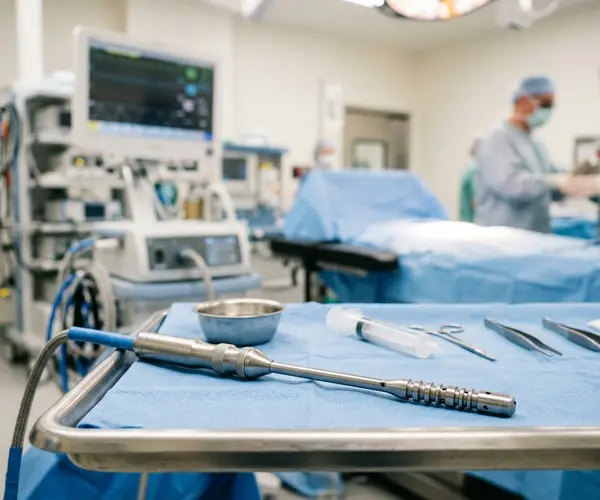
VASER stands for Vibration Amplification of Sound Energy at Resonance. The system uses a solid titanium probe with one, two, or three rings grooved into its tip. These grooves are the points from which ultrasound energy is emitted into the surrounding tissue.
The probe is inserted through small incisions, typically three to five millimetres in length, after the treatment area has been infiltrated with tumescent fluid. This fluid, a dilute solution of local anaesthetic and adrenaline in saline, numbs the area, constricts blood vessels to reduce bleeding, and expands the fat layer to create space for the probe to move safely.
Once the probe is activated, it vibrates at approximately 36,000 cycles per second. This rapid vibration generates ultrasound waves that travel outward from the probe tip into the surrounding fat.
How Fat Cells Are Broken Down
The ultrasound energy creates a phenomenon called cavitation within the fat tissue. Microscopic gas bubbles form in the fluid surrounding fat cells and rapidly expand and collapse. This repeated bubble formation and collapse generates localised mechanical forces that fragment the delicate membranes of fat cells, causing them to release their liquid fat content.
The key to VASER's tissue selectivity lies in the physical properties of different tissue types. Fat cells have relatively weak cell membranes compared to blood vessels, nerves, and connective tissue fibres, which are denser and more resilient. The energy levels used during VASER liposuction are calibrated to disrupt fat cell membranes while leaving these stronger structures largely unharmed.
This selective destruction is why VASER typically produces less bruising and swelling than traditional liposuction, which uses mechanical force that does not discriminate between tissue types.
The Aspiration Phase
After the ultrasound energy has liquefied the targeted fat, the VASER probe is removed and a specialised cannula is inserted to aspirate the emulsified fat. Because the fat is already in a semi-liquid state, the surgeon can extract it with gentler suction and less aggressive cannula movement than traditional liposuction requires.
This gentler aspiration phase further reduces trauma to the treatment area. The intact connective tissue framework acts as a scaffold that supports the overlying skin, promoting smoother contours and better skin retraction during the healing period.
The suctioned material is a mixture of liquefied fat, tumescent fluid, and a small amount of blood. The ratio of fat to blood is typically higher with VASER than with mechanical liposuction, reflecting the reduced vascular trauma.
Energy Settings and Surgical Control
The VASER system allows the surgeon to adjust the energy output and select different probe configurations depending on the treatment area and the volume of fat being addressed. Larger probes with more emitting rings deliver energy over a wider area and are suited to bulk fat reduction in areas like the abdomen and flanks. Smaller single-ring probes provide more focused energy for precision work around muscle definition zones.
The surgeon controls the duration of ultrasound application in each zone, balancing thorough fat emulsification against the thermal energy that accumulates in the tissue. Experienced surgeons use a combination of probe selection, energy settings, and treatment time to achieve the desired result while maintaining tissue safety.
Collagen Stimulation and Skin Tightening
An additional effect of the ultrasound energy is thermal stimulation of collagen fibres within the connective tissue. This controlled heating causes existing collagen to contract slightly and triggers the production of new collagen during the healing phase. The result is improved skin tightening over the treated area compared to non-energy-assisted techniques.
This skin tightening effect is one of the reasons VASER is often recommended for patients with moderate skin laxity who might otherwise see loose or wavy skin after conventional liposuction. Consult your surgeon about whether your skin quality is likely to benefit from VASER's collagen-stimulating properties.