Thigh Liposuction in Thailand Your guide to cost, top surgeons & hospitals
Your legs already have good shape underneath. The fat is just blurring the outline.
What Is Thigh Liposuction?
Also known as: Thigh Fat Removal · Femoral Liposuction
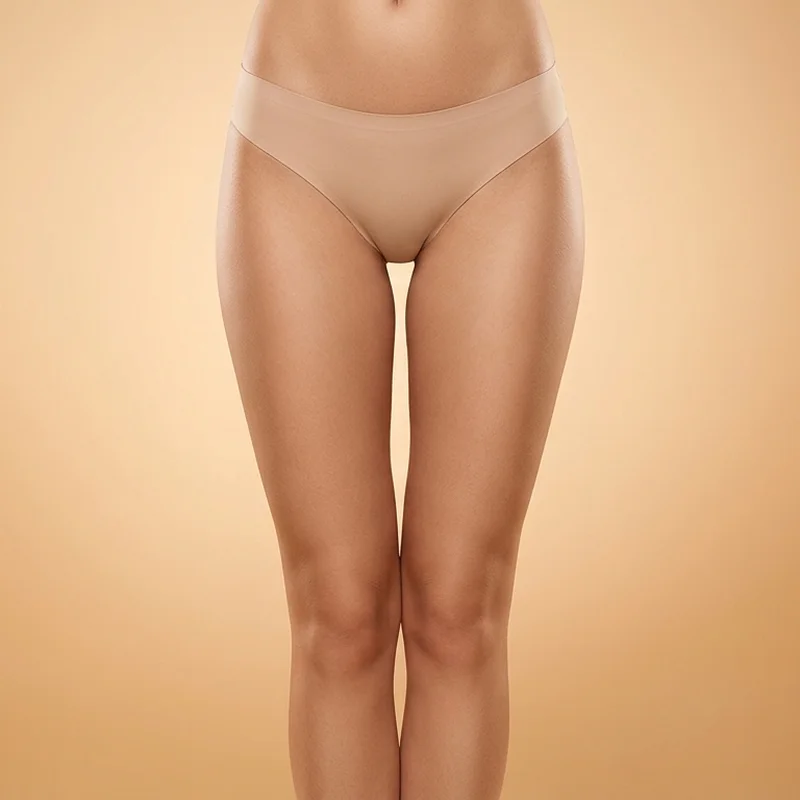
Thigh liposuction is surgery that slims and reshapes the upper legs by suctioning out fat through a thin tube called a cannula. It can target the inner thigh that chafes, the outer thigh saddlebags that widen the hip line, or all four zones in one session. Because the fat cells are physically removed, the change lasts as long as your weight stays stable.1,2 It usually takes 1.5 to 3 hours under general anaesthesia.
Many people reach a healthy weight only to find their legs stay heavier than the rest of them. If that sounds like you, this is the kind of fat that often will not shift with diet or training. Your surgeon studies how your thighs sit against your hips and knees, then plans which zones to treat so the whole leg looks balanced.
Results vary, and a slimmer thigh is not a guaranteed thigh gap, which also depends on your bone structure. The skin needs to be firm enough to retract over the new shape, so a consultation is the honest way to find out what your body can realistically achieve.
It can address a range of concerns, including:
Am I a Good Candidate for Thigh Liposuction?
Thighs are unforgiving of poor patient selection, so surgeons weigh skin quality, health history, and lifestyle before recommending surgery.
Surgeons first confirm your thigh concern is the kind this procedure reliably fixes.
Saddlebags: Outer-thigh fullness that makes hips appear wider than they are is one of the most successfully treated zones.
Inner-thigh chafing: Thighs that touch or chafe even at a healthy body weight respond quickly, with relief usually felt within weeks.
Heavy legs: Legs that look thick relative to a leaner upper body suit multi-zone contouring.
Diet-resistant fat: Thigh fat unchanged by diet, exercise intensity, or overall weight loss confirms a localised deposit rather than a weight problem.
Thigh skin has to tighten over a large area after fat removal, and its quality decides whether lipo helps or harms.
Firm enough to retract: Good candidates have thigh skin firm enough to contract over the reduced volume for a smooth line.
Loose skin or dimpling: Where laxity is the main issue, liposuction can worsen the appearance, and a thigh lift is the appropriate procedure instead.
Cellulite caution: Lipo does not treat cellulite and may make uneven contour more visible, so prominent cellulite needs a frank conversation first.
As elsewhere, surgeons treat thigh lipo as contouring around a settled weight, not a route to one.
Within range of target: Candidates are within a reasonable range of their target weight and not using surgery as a weight-loss tool.
Permanent but conditional: Removed cells do not regenerate and the treated thighs stay proportionally slimmer, but significant weight gain still enlarges the remaining cells.
Proportions, not kilograms: The win is silhouette, a straighter hip-to-knee line and reduced chafing, rather than a change on the scales.
Lower-body surgery carries its own health bar, plus practical demands your daily life has to accommodate.
Vascular history: Lower limb lymphoedema, varicose vein disease, or recurrent DVT all raise the bar for thigh surgery and need review first.
DVT discipline: You must be willing to walk from day one and wear waist-to-knee compression, the core protections for lower-body work.
Job demands: Long standing or driving in the early weeks fights against swelling control and compression, so jobs built around either need planning or a delay.
Who is not suitable for thigh liposuction?
- Loose skin or dimpling as the main concern
- Expecting liposuction to improve cellulite
- Lymphoedema, varicose vein disease, or recurrent DVT history
- Jobs requiring long standing or driving during early recovery
- Unstable weight
- Smokers unwilling to quit four weeks each side of surgery
- Significant uncontrolled heart or lung disease, or otherwise not medically fit for general anaesthesia
Pricing
How Much Will Thigh Liposuction Cost in Thailand?
What thigh liposuction costs at accredited hospitals in Thailand, and what your final quote depends on.
Get your exact price
Tell us what you're considering and we'll send a personalised quote from accredited hospitals within 24 hours.
Get my free quoteTypical prices in Thailand
Typical ranges based on recent hospital quotes. Your exact price depends on the hospital and how complex your case is, and is confirmed at your teleconsultation.
Thigh Liposuction
Thigh liposuction is priced by the zones treated, so the figure moves with how much of the leg is being reshaped.
| Inner thigh liposuction Targets the fat that causes chafing between the upper legs | $2,000 to $2,800 ฿68,000 to ฿95,200 |
| Outer thigh and saddlebag liposuction Removes the lateral bulge that widens your hip and thigh line | $2,000 to $3,000 ฿68,000 to ฿102,000 |
| Full thigh liposuction, all zones Inner, outer, front and back treated together for balanced legs | $3,000 to $4,000 ฿102,000 to ฿136,000 |
Added to the above where needed
| VASER ultrasound-assisted technique Loosens denser fibrous fat before removal, added where the tissue needs it | $500 to $1,000 ฿17,000 to ฿34,000 |
Get your exact price
Tell us what you're considering and we'll send a personalised quote from accredited hospitals within 24 hours.
Hospitals Trusted for Thigh Liposuction
From internationally accredited flagships to dedicated specialist hospitals, these are the kinds of facilities where international patients have this procedure.

Rattinan Clinic
A specialist body contouring clinic in central Bangkok with over 14,000 BodyTite treatments performed.
View hospital profile
Kamol Cosmetic Hospital
The only specialist cosmetic surgery hospital in Thailand to hold JCI accreditation.
View hospital profile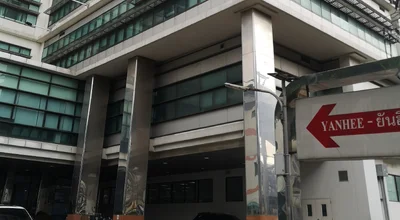
Yanhee International Hospital
A 400-bed hospital known worldwide for high-volume cosmetic surgery.
View hospital profile
Get a Free Quote in Two Minutes
Tell us what you're considering. We'll match you with suitable specialists and provide real hospital pricing.
- Honest pricing with no markups
- Matched to a specialist for your procedure
- No obligation, no pressure


Rated 5 stars by our patients
The complete guide to Thigh Liposuction in Thailand
Everything below is for readers who want the full detail: costs broken down, types and techniques, recovery, risks and safety, and planning your trip.
Thigh Liposuction Surgeons & Clinics in Thailand
Thigh liposuction involves larger volumes and more complex contouring than smaller-area work. Here is what we prioritise when matching you to a surgeon.
Leading Hospitals in Bangkok
Our partner hospitals are JCI-accredited facilities with dedicated plastic surgery theatres, in-house anaesthesia teams, and overnight capability for cases that warrant monitoring. For thigh liposuction specifically, hospital choice matters because larger-volume cases benefit from proper post-operative observation, a standalone clinic cannot offer that.
Experienced Thigh Liposuction Surgeons
Our surgeons are certified by the Thai Board of Plastic and Reconstructive Surgery and specialise in body contouring. They understand that thighs do not exist in isolation, the result needs to look right in relation to the hips, knees, and overall leg line. This kind of judgment comes from doing it regularly, not from reading about it.
What We Look For in a Surgeon
We look for surgeons who can show thigh before-and-after photos, ideally patients who had similar zones treated to what you are considering, taken at 3–6 months rather than just immediately post-op. We also value a surgeon who, at consultation, explains which technique they recommend for your specific fat distribution and why. A thoughtful, anatomy-specific answer is the mark of someone who does this work regularly, and it is the kind of judgment we screen partner surgeons for.
Understanding Your Results
Thigh liposuction changes both the shape and proportion of the lower body. Here is what realistic results look like.
Typical Thigh Liposuction Results
The most dramatic change is usually in the silhouette, saddlebags disappear, the hip-to-knee line straightens, and the inner thigh gap increases. Clothes fit differently almost immediately. The change is permanent because the fat cells are physically removed. Your legs will still age and can change with significant weight gain, but the treated areas will always be slimmer relative to before.
What Results Can You Expect?
Expect a visible reduction in thigh volume and a smoother contour. Inner thigh patients notice reduced chafing within weeks. Outer thigh patients see a narrower hip profile that changes how trousers and skirts sit. Full results take 4–6 months because the thighs hold swelling longer than smaller areas. If you maintain your weight and stay active, the result is essentially permanent.
Thigh Liposuction Cost in Thailand
Average Cost of Thigh Liposuction
Thigh liposuction in Thailand typically runs $2,000–$4,000 depending on how many zones are treated, the technique used, and the volume of fat involved. Inner thighs alone sit at the lower end. Full circumferential thigh contouring (inner, outer, anterior, posterior) is at the top of the range.
Cost Breakdown
Surgeon fees are the largest component and reflect the complexity of multi-zone sculpting. Hospital and theatre fees cover the operating room, equipment, and nursing. Anaesthesia is usually general for thigh work, which costs more than local sedation. Post-operative care includes follow-up appointments, compression garments, and any additional imaging or drainage if needed.
What Affects the Price?
Number of zones treated is the primary factor, inner thighs alone costs less than full circumferential work. Fat density matters too, the outer thigh and saddlebag area contains more fibrous fat that takes longer to treat. VASER adds cost over standard tumescent because the equipment is more expensive. If you combine thigh lipo with hip or knee contouring, the combined price is usually less than having each done separately.
Thailand vs International Price Comparison
Thigh liposuction in Thailand costs 40–60% less than equivalent work in the US ($5,600–$10,000), Australia (A$5,200–A$9,000), and UK (£4,400–£7,600). Multi-zone treatment magnifies the savings because each additional area adds a smaller incremental cost in Thailand than it would at home. Our partner hospitals are JCI-accredited with internationally trained surgeons.
Surgical vs Non-Surgical Thigh Contouring
The main non-surgical alternatives are fat-freezing (cryolipolysis, often known by the CoolSculpting brand) and fat-dissolving injections, both of which reduce a modest layer of fat with no incisions and no general anaesthesia. They genuinely work for a small, pinchable bulge in someone already close to their goal weight, and they need no recovery time, so they suit people who want a subtle change and cannot take time off.
The limits matter on the thigh in particular. These devices remove only a fraction of the fat that liposuction can in a single session, usually need several rounds spaced weeks apart, and give a softening rather than the defined sculpting of a saddlebag or a full hip-to-knee line. They cannot tighten skin, do not treat cellulite, and on the larger, more fibrous outer thigh they tend to under-deliver, which is why repeated courses can end up costing more than one operation for a weaker result.
For removing stubborn thigh fat properly, sculpting all four zones in one session, straightening the saddlebag line, or treating a larger volume that no device will shift, surgical thigh liposuction is the route to a lasting, defined result, and that is what the rest of this page covers.
Types of Thigh Liposuction
The thigh has four distinct zones and most patients need work on at least two. The treatment plan depends on where the fat is concentrated and how the thigh relates to the hip and knee.
Inner Thigh Liposuction
Targets the medial compartment from groin to knee. The inner thigh holds softer, less fibrous fat that responds well to standard techniques. This is the area that causes chafing and prevents legs from having a gap at the top. Incisions are placed in the groin fold.
- Softer fat that is straightforward to extract
- Immediate reduction in chafing and improved comfort
- Incisions hidden in the groin crease
- Best for: patients whose main concern is inner thigh fullness or contact
Outer Thigh & Saddlebag Liposuction
Addresses the lateral thigh, the saddlebag zone that creates a wide, pear-shaped silhouette. This fat tends to be denser and more fibrous than inner thigh fat, so VASER or power-assisted techniques often give better results here. The visual impact is significant because saddlebag removal changes the entire hip-to-knee line.
- Fibrous fat that benefits from VASER or power-assisted removal
- Dramatically changes the lower body silhouette
- Incisions placed near the hip crease or lateral thigh
- Best for: patients with a pear-shaped lower body or prominent saddlebags
Circumferential Thigh Liposuction
Treats all four zones, inner, outer, anterior, posterior, in a single session for comprehensive reshaping. This is the most involved option and typically requires general anaesthesia with a longer recovery. The payoff is balanced, proportionate legs from every angle.
- Full 360-degree contouring of the upper leg
- Requires careful feathering between zones for smooth transitions
- Longer procedure time (2–3 hours) and extended recovery
- Best for: patients who carry excess fat around the entire thigh circumference
Thigh Liposuction Techniques
The right technique depends on fat type, zone, and volume. Outer thigh fat is denser and more resistant than inner thigh fat, so the same technique does not always work equally well across all zones.
Tumescent Technique
The established workhorse. Tumescent fluid numbs the tissue, constricts blood vessels, and makes fat easier to remove with a cannula. Straightforward and reliable for moderate volumes. Works particularly well on the softer inner thigh fat where precision matters more than power.
- Proven safety record across millions of cases worldwide
- Lower cost than ultrasound or power-assisted methods
- Effective for softer fat compartments like the inner thigh
- Best for: moderate-volume cases with soft to medium-density fat
VASER-Assisted Technique
Ultrasound energy emulsifies fat before extraction, allowing smoother removal from fibrous outer thigh and saddlebag deposits. The collagen-stimulating effect promotes better skin retraction, which matters on the thigh where larger volumes are removed and skin needs to tighten over a bigger area.
- Breaks down fibrous fat that resists standard cannula techniques
- Promotes skin contraction through collagen stimulation
- Smoother, more uniform results across large treatment areas
- Best for: outer thigh saddlebags, fibrous fat, or patients needing maximum skin retraction
Power-Assisted Liposuction (PAL)
A vibrating cannula that mechanically loosens fat, enabling faster and more uniform extraction. Practical advantage is reduced surgeon fatigue during longer cases, which translates to more consistent results when treating multiple thigh zones in a single session.
- Faster extraction across large treatment areas
- More uniform fat removal for consistent contours
- Reduced operating time for multi-zone sessions
- Best for: high-volume cases or circumferential thigh contouring
Laser-Assisted Liposuction
A laser fibre delivers heat that liquefies fat before suction and warms the underside of the skin as it works. On the thigh the appeal is the skin-tightening effect, useful where mild laxity sits alongside the fat, though it suits smaller, targeted areas rather than large-volume circumferential reduction.
- Laser heat melts fat and warms the skin to encourage retraction
- Useful where mild skin laxity sits alongside the fat
- Better suited to smaller, targeted zones than high-volume work
- Best for: smaller thigh areas with mild skin laxity wanting some tightening
Thigh Liposuction Recovery Timeline
Days 1–3
Significant swelling and bruising across treated thigh zones. Walking feels stiff, short, slow laps around your room several times a day. Compression garments cover waist to knees and stay on continuously. Keep legs elevated when resting. Early mobilisation is important for circulation.
Weeks 1–2
Walking gets easier daily. Bruising shifts from dark purple to yellow. Most patients manage short outings by day 7–8. Follow-up appointment confirms healing is on track before flying home. Compression garments still full-time.
Weeks 3–6
Contours become visible as swelling drops steadily. Compression switches to nighttime only around week 3. Light exercise, walking, gentle cycling, can resume. No running, jumping, or heavy leg training until week 6.
Months 3–6
Final thigh shape emerges as the last deep swelling resolves. Skin retraction continues over this period, especially on the inner thigh. Incision marks at the groin and knee fade to thin lines. Full exercise without restriction.
When Can You Fly After Thigh Liposuction?
Most patients fly home at 7–10 days. Wear compression garments during the flight and walk the aisle every hour. Lower leg swelling can increase on long flights, so keep your feet moving and stay hydrated. Deep vein thrombosis risk is minimised by early mobilisation and compression, follow your surgeon's specific guidance.
When Can You Return to Work and Exercise?
Desk work from home is possible within a week if you can keep your legs elevated. Jobs requiring standing or walking may need 2 weeks off. Light cardio at 3 weeks, gentle lower body exercise at 4–5 weeks, and full training intensity at 6–8 weeks. Do not rush back to heavy leg days, the tissue needs time to settle.
When Will You See Final Results?
Your legs will already look slimmer by week 2–3, even through the residual swelling. By month 2, most of the improvement is visible and clothes fit differently. The last 10–15% of refinement happens between months 3–6, particularly inner thigh skin retraction and the final smoothing of the outer thigh line.
Anaesthesia for Thigh Liposuction
Thigh liposuction is performed under general anaesthesia, so you are fully asleep and feel nothing while the surgeon works. This is the standard choice for thigh work because the treatment areas are large, often spanning several zones, and the surgeon needs you completely still and comfortable to sculpt evenly across the whole leg. A consultant anaesthetist stays with you for the entire procedure and monitors you continuously, which is routine at the accredited hospitals we work with.
A smaller single-zone case, such as inner thighs alone, can sometimes be done under local anaesthetic with sedation, where you are relaxed and pain-free but not fully under. Your surgeon and anaesthetist make that call together, based on how many zones are being treated, the volume of fat involved, and your medical history. For most multi-zone or circumferential thigh contouring, general anaesthesia remains the safer and more comfortable option.
Before you are cleared, you have a pre-operative assessment that includes blood tests and a review of any medications you take, which matters here because lower-body surgery carries a specific clot risk and some drugs need pausing beforehand. You feel nothing during the procedure itself. Afterwards the discomfort is more a deep ache and tightness, similar to a very hard leg workout, than sharp pain, and it is well controlled with the medication your surgeon prescribes.
Risks and Safety of Thigh Liposuction
Thigh liposuction is well-established and widely performed, but larger treatment areas carry specific considerations that you should be aware of.
- Contour irregularities or waviness, more common on the inner thigh where skin is thinner2,3
- Asymmetry between legs, sometimes only apparent once all swelling resolves
- Deep vein thrombosis, a real risk with lower body surgery, minimised by early walking and compression2,3
- Seroma or fluid collection in the thigh requiring aspiration
Deep vein thrombosis is the most significant risk specific to lower body work. Your surgical team will have you walking within hours of the procedure, prescribe compression garments, and may use prophylactic blood thinners depending on your risk profile. Take this seriously, do not skip walks or remove garments early.
Is Thigh Liposuction Safe in Thailand?
Yes. Our partner facilities are JCI-accredited hospitals that follow internationally recognised perioperative standards. DVT prevention protocols, sterile technique, and post-operative monitoring are standard practice at these facilities. The key safety factor is surgeon experience with lower body volumes, our partners handle these cases as a routine part of their practice.
How to Reduce Risks
We match you to a surgeon who regularly performs multi-zone thigh work rather than one who occasionally does a single inner thigh case, and DVT prevention measures (compression, early mobilisation, potentially anticoagulants) are part of the post-op plan at our partner facilities. On your side, the most important thing is to follow compression garment instructions without exception, since removing them too early or wearing them inconsistently leads to uneven results. And report any unusual calf pain, redness, or swelling to your surgical team immediately.
When Is a Touch-Up Needed?
Small areas of residual fullness or mild asymmetry may become apparent once swelling fully resolves at 4–6 months. Touch-ups are minor and done under local anaesthesia. The outer thigh and saddlebag area is most likely to need refinement because the fat is denser and harder to remove evenly in one pass. Wait the full 6 months before making any judgment.
Planning Your Trip to Thailand for Thigh Liposuction
Thigh liposuction requires slightly more recovery time than upper body work because of the swelling and mobility impact. Here is how to plan around that.
How Long to Stay in Thailand
Plan for 7–10 days minimum. Day 1 consultation, day 2 surgery, days 3–7 initial recovery with daily walking and monitoring, and day 7–10 follow-up before flying. If you are having circumferential work or combining with hip liposuction, 10–12 days is more realistic.
What's Included in a Medical Trip
Your coordinator arranges hospital scheduling, transport, and post-op appointments. A typical surgical quote covers surgeon fees, anaesthesia, hospital stay, compression garments, and aftercare, though exact inclusions are set by the clinic and confirmed in writing in your quote. Flights and accommodation are separate, your coordinator will recommend ground-floor or elevator-access hotels since stairs are uncomfortable for the first week.
Recovery Accommodation Tips
Book a hotel with elevator access or a ground-floor room, you will not want to climb stairs for the first 5–7 days. A room with a bathtub is useful for icing and elevating your legs. Stay within 20 minutes of the hospital for easy follow-up access. Bangkok offers many suitable hotels near the major medical districts.
Related Procedures
Other procedures that address similar goals or conditions, in case one of them is a closer fit for you.
Planning your treatment in Thailand
Independent guides to help you weigh the decision, before you commit to anything.
Common Questions About Thigh Liposuction
Practical answers for patients considering thigh contouring in Thailand

Medical References
Keep researching with AI
Open this guide in your AI assistant to dig deeper and ask the questions it didn't answer.
Opens in a new tab with this guide already loaded.
Medical disclaimer: This information is for educational purposes only and does not replace professional medical advice. Individual results, recovery times, and suitability vary. Always consult a qualified surgeon before making decisions about treatment.
Ready to Get Started?
No-obligation consultation and quote within 24 hours. Speak with a coordinator who can match you to the right surgeon and hospital.
Speak to Our Team