How Open Rhinoplasty Works
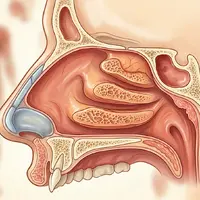
Open rhinoplasty involves a small incision made across the columella, the narrow bridge of skin and tissue separating the two nostrils. This external approach allows the surgeon to lift the nasal skin upward, exposing the underlying cartilage and bone framework in full view. With this direct line of sight, the surgeon can make precise modifications to the nasal structure under controlled conditions.
This technique is generally preferred when significant reshaping is required. Cases involving major tip refinement, complex cartilage grafting, or correction of asymmetry often benefit from the visibility that open rhinoplasty provides. Surgeons can assess the nasal anatomy in three dimensions rather than working through limited internal access points.
The columellar scar from open rhinoplasty is typically very small and heals well in most patients. Over time it tends to fade to a thin, barely noticeable line. Consult your surgeon about scarring expectations based on your individual skin type.
How Closed Rhinoplasty Works
Closed rhinoplasty, also called endonasal rhinoplasty, places all incisions inside the nostrils. Because there is no external cut, there is no visible scar after healing. The surgeon works through these internal openings to reshape the cartilage and bone, relying on tactile feedback and experience to achieve the desired result.
This approach tends to involve less tissue disruption, which can mean reduced swelling during the initial healing period. The procedure itself may also be shorter in duration compared to the open technique. Closed rhinoplasty is often well suited for patients who need more straightforward adjustments such as smoothing a dorsal hump or making minor tip changes.
However, the limited visibility means the surgeon has less direct access to the nasal framework. This is not necessarily a disadvantage for simpler procedures, but it can make highly detailed work more challenging.
Which Approach Is Better
Neither technique is inherently superior. The right choice depends on what needs to be corrected and the surgeon's assessment of the nasal anatomy. A patient seeking a subtle refinement of a dorsal bump may be an ideal candidate for the closed approach. Someone requiring extensive tip work, cartilage grafting, or correction of a previously operated nose may benefit more from the open technique.
Some surgeons specialise in one approach and achieve excellent results consistently with their preferred method. Others select the technique on a case-by-case basis depending on the patient's anatomy and goals.
It is worth noting that the final aesthetic result depends far more on the surgeon's skill and planning than on whether the approach was open or closed. Consult your surgeon about which technique they recommend for your specific situation and why.
Factors That Influence the Decision
Several anatomical and clinical factors guide the choice between open and closed rhinoplasty. Skin thickness plays a role because thicker skin can obscure fine structural changes, sometimes making direct visualisation more important. The degree of tip asymmetry, the need for cartilage grafts from the septum or ear, and whether the procedure is a primary or revision surgery all factor into the decision.
Patients should feel comfortable asking their surgeon to explain their reasoning for recommending one approach over the other. Understanding the rationale helps set realistic expectations about the procedure, the healing process, and the likely outcome.