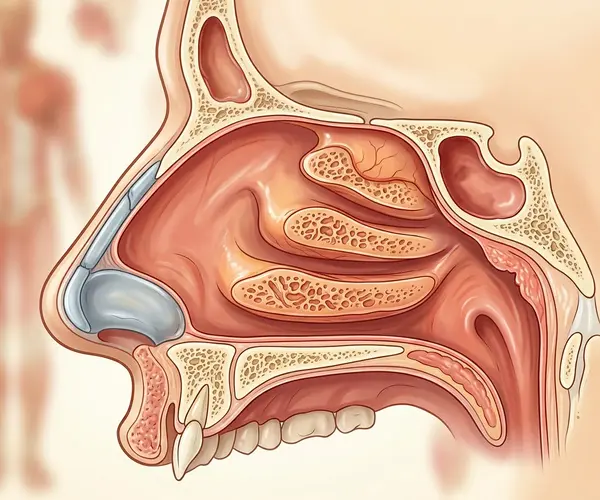
Structural Causes of Nasal Obstruction
Difficulty breathing through the nose is not always caused by allergies or congestion. In many cases, the underlying problem is structural. A deviated septum, where the wall of cartilage and bone dividing the nasal passages is crooked, is one of the most common causes. When the septum shifts significantly to one side, it narrows the airway on that side and restricts airflow.
Other structural issues include enlarged turbinates, which are the curved bony structures lined with tissue inside the nasal passages. When these become chronically swollen, they can block a significant portion of the airway. Nasal valve collapse, where the sidewalls of the nose are weak or narrow, is another frequently overlooked cause of breathing restriction that becomes more noticeable during physical activity or deep inhalation.
Functional Rhinoplasty
Functional rhinoplasty focuses on correcting these internal structural problems to restore normal airflow. This is distinct from purely cosmetic rhinoplasty, which addresses the external appearance of the nose without necessarily altering the internal airway.
During functional rhinoplasty, the surgeon may straighten the septum (septoplasty), reduce the size of enlarged turbinates, or reinforce collapsed nasal valves using cartilage grafts. The specific techniques depend on the individual anatomy and the nature of the obstruction. Consult your surgeon for a thorough assessment if breathing difficulty is a concern.
Patients considering functional rhinoplasty typically undergo a detailed examination that may include nasal endoscopy and imaging to identify the precise location and nature of the blockage.
Septorhinoplasty
Many patients have both cosmetic concerns and breathing issues. Septorhinoplasty combines functional correction with aesthetic reshaping in a single procedure. This approach allows the surgeon to address a deviated septum or other internal problems while simultaneously refining the external shape of the nose.
Combining both goals into one surgery avoids the need for two separate procedures and two separate recovery periods. However, it requires a surgeon experienced in both functional and aesthetic nasal surgery. A revision rhinoplasty may sometimes be needed if previous cosmetic work inadvertently affected airflow.
Will Cosmetic Rhinoplasty Fix Breathing Problems
Cosmetic rhinoplasty on its own is not designed to address breathing function. Reshaping the external appearance of the nose, such as reducing a dorsal hump or refining the tip, does not necessarily change the internal airway. In some cases, purely cosmetic changes can even inadvertently affect airflow if internal structures are not carefully preserved during the procedure.
If you are considering rhinoplasty and also experience nasal obstruction, it is important to discuss both concerns with your surgeon during the consultation. A comprehensive evaluation will determine whether cosmetic changes alone are sufficient or whether functional work should be included.
Assessing Whether Surgery Could Help
Not all breathing difficulties require surgery. Chronic inflammation from allergies, nasal polyps, and other medical conditions may respond to non-surgical treatment. A thorough evaluation by a qualified specialist is essential to distinguish between structural and non-structural causes.
If the obstruction is structural, the improvement from functional rhinoplasty can be significant and long-lasting. Many patients report a noticeable difference in airflow and overall comfort after recovery. Consult your surgeon to determine whether your specific breathing issues are likely to benefit from a surgical approach.