Expressing Your Goals
During a rhinoplasty consultation, patients are encouraged to describe what they would like to change about their nose. Common requests include reducing a dorsal hump, refining a wide or bulbous tip, straightening a crooked nose, or adjusting the angle between the nose and upper lip. Being specific about what bothers you helps the surgeon understand your priorities.
Bringing reference photographs is common and can be a useful communication tool. Photos give the surgeon a visual starting point for understanding your aesthetic preferences. However, it is important to recognise that another person's nose exists within a different facial context. What looks balanced on one face may not suit another. Your surgeon will assess whether the features you admire can be adapted to complement your individual facial proportions.
The Role of Anatomy
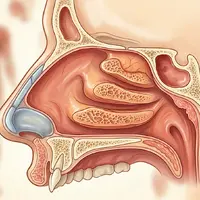
Your nasal anatomy is the single most important factor determining what rhinoplasty can achieve. The thickness and quality of your skin, the strength and shape of the underlying cartilage, the width and position of the nasal bones, and the overall proportions of your face all influence the result.
Thin skin drapes closely over the nasal framework, meaning even subtle structural changes become visible. This can be an advantage when seeking refined definition, but it also means minor irregularities are harder to conceal. Thick skin, by contrast, softens and masks the underlying structure. Patients with thicker skin may find that dramatic cartilage reshaping beneath the surface translates to only modest changes in external appearance.
Bone structure sets limits on how much the nose can be narrowed or straightened. Cartilage quality determines how well the tip can be reshaped and whether it will maintain its new shape over time. Younger patients with strong, elastic cartilage typically have more options than older patients whose cartilage may have weakened.
Computer Imaging and Digital Planning
Many surgeons use computer imaging software during consultations to simulate potential outcomes. These digital morphs allow you to see an approximation of how your nose might look after surgery. The process involves photographing your face from multiple angles and then digitally adjusting the nasal shape on screen.
While computer imaging is a valuable planning and communication tool, it has limitations. The simulation is a two-dimensional representation of a three-dimensional change, and tissues do not always behave exactly as predicted. Swelling, healing variations, and the complex interplay of skin and cartilage mean the surgical outcome will not be a pixel-perfect match to the digital image.
Use the imaging session as a way to align expectations with your surgeon rather than as a contract for a specific result.
What a Good Surgeon Will Tell You
A reputable rhinoplasty surgeon will not simply agree to every request. Part of the consultation involves an honest assessment of what is achievable given your anatomy. If a patient's goals are unrealistic, a responsible surgeon will explain the limitations and suggest alternatives that would produce a natural, balanced result.
This honesty is a sign of experience and integrity, not a lack of skill. The goal of rhinoplasty is a nose that looks natural and harmonious within the context of the whole face. Surgeons who promise to replicate a celebrity nose or guarantee a specific outcome without qualification should be approached with caution.
Setting Realistic Expectations
The patients who tend to be most satisfied with rhinoplasty results are those who enter the process with clear but flexible goals. Understanding that surgery works within the boundaries of your anatomy, that healing takes time, and that open and closed approaches offer different advantages helps create a realistic framework for decision-making.
Consult your surgeon about what is and is not achievable for your nose. A thorough consultation that addresses your goals, your anatomy, and the likely outcome is the foundation of a successful rhinoplasty experience.