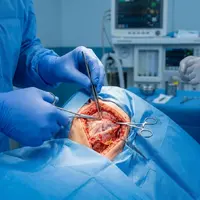
What 7 to 10 Years Really Means
When surgeons say a facelift lasts 7 to 10 years, they are describing the period during which the surgical improvement remains clearly visible. This does not mean the result suddenly disappears after a decade. Rather, the natural ageing process continues and gradually diminishes the degree of correction over time.
A patient who has a facelift at 55 will typically still look noticeably younger at 65 than they would have without surgery. The repositioned tissues do not return to their pre-surgical position all at once. Instead, gravity, collagen loss, and skin thinning slowly resume their effects on the lifted structures.
The 7 to 10 year figure represents an average across many patients. Individual results vary considerably depending on the surgical technique used, the patient's skin quality, and how well they care for their skin after the procedure.
Why the Technique Matters
Not all facelifts are performed the same way, and the depth of tissue repositioning has a direct effect on longevity. Procedures that only tighten the skin tend to produce shorter-lived results because skin alone does not hold tension well over time. It stretches, and the signs of ageing return relatively quickly.
Modern facelift techniques work on the SMAS layer, the structural tissue beneath the skin, which provides a more durable foundation for the lift. A mini facelift vs a full facelift will differ in longevity partly because of the extent of tissue that is repositioned. Full facelifts that address the SMAS comprehensively tend to hold their correction longer than more limited procedures.
Deep plane techniques, which lift the SMAS and the overlying fat pads as a single composite unit, are associated with some of the longest-lasting results. By repositioning the deeper structures rather than pulling the skin over them, the result ages more gracefully and maintains its natural appearance for an extended period.
Factors That Affect How Long Results Last
Several variables influence the longevity of a facelift beyond the surgical technique itself.
Genetics play a significant role. People whose parents aged well tend to maintain their facelift results longer, while those with a family history of rapid skin ageing may see changes return sooner.
Sun exposure is one of the most controllable factors. Ultraviolet radiation breaks down collagen and elastin, accelerating the loss of skin firmness and elasticity. Consistent use of broad-spectrum sunscreen and sensible sun avoidance habits can meaningfully extend the life of surgical results.
Smoking damages the microvasculature that supplies the skin with oxygen and nutrients. Patients who smoke or resume smoking after surgery will see their results deteriorate faster than non-smokers. This is one of the strongest modifiable risk factors for premature ageing of surgical outcomes.
Skin care including the use of retinoids, antioxidants, and adequate hydration can support the skin's structural integrity over time. While topical products cannot replicate the effects of surgery, they can help maintain the quality of the skin that was repositioned during the procedure.
Weight fluctuations can also alter facial contours. Significant weight gain or loss after a facelift may change the distribution of facial fat and affect the appearance of the result.
You Will Always Look Younger Than If You Had Not Had Surgery
One of the most important concepts to understand is that a facelift permanently changes your ageing trajectory. Even after 10 or 15 years, a patient who had a facelift will look younger than they would have if they had never undergone the procedure. The surgery does not wear off entirely. It shifts the baseline from which you continue to age.
This is why many patients who had a facelift in their 50s report satisfaction well into their late 60s and 70s, even as some degree of ageing has returned. The face they see in the mirror is still a younger version of what it would otherwise have been.
Revision Surgery
Some patients choose to have a second facelift procedure years after their first. This is entirely safe and common. The tissues heal between procedures and can be carefully re-elevated. A revision facelift is typically less extensive than the initial surgery because much of the original structural work remains intact. Consult your surgeon about the optimal timing for any future procedures based on your individual ageing pattern.