Where the Scar Is Placed
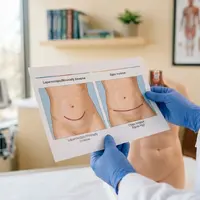
The primary scar from a tummy tuck runs horizontally across the lower abdomen, typically between the hip bones. Surgeons deliberately place this incision as low as possible so that the resulting scar sits within the natural bikini line. The exact position is usually discussed and marked before surgery, often with the patient wearing the type of underwear or swimwear they normally use, to ensure the scar will be concealed.
The length of the scar depends on the amount of skin being removed and the type of procedure. A full tummy tuck requires a longer incision than a mini tummy tuck because more skin is excised and the surgeon needs access to the full width of the abdomen. In either case, the scar is designed to be as discreet as possible given the clinical requirements.
The Navel Scar
In a full tummy tuck, the belly button is repositioned through a new opening in the tightened skin. This creates a small scar around the circumference of the navel. Surgeons use techniques to make this scar look natural, often creating a slightly recessed or hooded appearance that mimics the look of a natural belly button. This scar is typically quite subtle once healed.
A mini tummy tuck does not involve navel repositioning, so there is no navel scar with this procedure.
How the Scar Changes Over Time
All surgical scars go through a predictable maturation process. In the first few weeks after surgery, the scar is typically a thin red or pink line. It may feel firm or slightly raised. Over the following months, the scar often goes through a phase where it becomes somewhat darker or more prominent before gradually beginning to fade.
By 6 months, most tummy tuck scars have begun to soften and lighten. By 12 to 18 months, the scar usually reaches its final appearance, which for most patients is a pale, flat line that blends reasonably well with the surrounding skin. The final appearance varies between individuals and is influenced by genetics, skin colour, and how the wound heals.
Factors That Affect Scarring
Several factors influence how a tummy tuck scar heals. Skin type and ethnicity play a role, as patients with darker skin tones may be more prone to hyperpigmentation or keloid scarring. Genetic predisposition to raised or widened scars is another factor that your surgeon will discuss during the consultation.
Smoking significantly impairs wound healing and increases the risk of poor scarring. Most surgeons require patients to stop smoking well before and after surgery. Tension on the wound, sun exposure during the healing period, and infection can also affect scar quality. Following your surgeon's post-operative instructions carefully is one of the most important things you can do to optimise scar healing.
Scar Care and Treatment
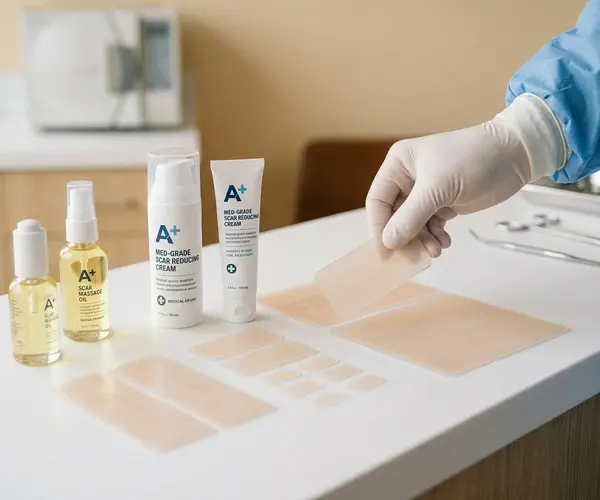
Surgeons typically recommend silicone-based scar treatments such as silicone sheets or gel, which have clinical evidence supporting their effectiveness in improving scar appearance. These are usually started once the incision has fully closed, typically a few weeks after surgery.
Sun protection is critical during the first year. UV exposure can cause the scar to darken permanently, so covering the scar or applying high-SPF sunscreen is strongly recommended whenever the area might be exposed to sunlight.
For scars that do not heal optimally, various treatments are available including laser therapy, steroid injections for raised scars, and microneedling. These are typically considered after the scar has fully matured, around 12 to 18 months post-surgery. Consult your surgeon about the best scar management approach for your individual situation and skin type.